







Your Body's Master Clock
Deep within your brain is a 'master clock' known as the circadian rhythm. This internal 24-hour timer governs nearly every process in your body, from when you feel sleepy and when you feel alert to hormone release, digestion, and body temperature. It
works by responding to environmental cues, primarily light and darkness. When you expose your eyes to morning light, it signals to your brain that the day has begun. Conversely, as darkness falls, your brain releases melatonin, the hormone that prepares you for sleep. This elegant system is designed to keep your body running on a predictable, healthy schedule. However, modern life—with its shift work, late-night screen time, and cross-country flights—often throws this master clock into disarray.
The Bustling Metropolis in Your Gut
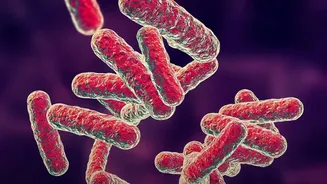
Your gut is home to trillions of microorganisms, collectively known as the gut microbiome. Far from being passive passengers, these bacteria form a vital ecosystem that plays a crucial role in your health. They help digest food, produce essential vitamins, regulate your immune system, and even influence your mood. Like the host they live in, this microbial community also follows a daily rhythm. Their populations and activities change throughout the day, largely influenced by your eating patterns. This means that not only what you eat, but when you eat, sends powerful signals to the bacteria living in your gut, telling them when to be active and when to rest.
What the New Study Uncovered
A recent study published in the journal 'iScience' has shed new light on the conversation between our body clock and our gut. The research focused on the effects of 'circadian misalignment'—what happens when your lifestyle is out of sync with your internal clock, such as being a 'night owl' or eating late. The study found that this misalignment was associated with significant changes in the gut microbiome. Specifically, there was a reduction in beneficial bacteria known for producing short-chain fatty acids (SCFAs). These SCFAs, like butyrate, are critical for maintaining a healthy gut lining and controlling inflammation. The research noted a decrease in bacteria like Akkermansia and those belonging to the Oscillospiraceae family, which are linked to gut barrier health.
The Link to Inflammation and 'Leaky Gut'
The study's findings suggest a pathway explaining how a disrupted body clock can lead to health problems. With fewer beneficial bacteria to produce protective SCFAs, the integrity of the intestinal barrier can weaken. This condition, sometimes called 'leaky gut', allows inflammatory substances and toxins to pass from the gut into the bloodstream. This, in turn, can trigger low-grade, chronic inflammation throughout the body. This systemic inflammation is a known risk factor for a cluster of metabolic disorders, including obesity, type 2 diabetes, and cardiovascular disease. Essentially, throwing off your sleep and meal schedule could be weakening your gut's natural defences, creating a ripple effect that impacts your metabolic health.
How to Resynchronise Your System
The good news is that this connection offers a powerful way to improve your health. The key is consistency. Maintaining a regular sleep-wake schedule, even on weekends, is one of the most effective ways to support your body clock. This helps regulate the release of hormones like cortisol and melatonin. Aligning your meals with the daylight hours and avoiding large meals within three hours of bedtime can also be highly beneficial. This gives your digestive system a much-needed overnight break and reinforces the natural rhythms of your gut microbiome. Getting exposure to natural sunlight in the morning is another simple yet potent signal to reset your master clock each day. These actions don't just improve sleep; they support the very foundation of your gut health.