



The magic of Bengali jhalmuri lies in its explosion of textures and flavours. A key player in this symphony is fresh coriander, or dhaniya. Using it correctly elevates the snack from good to unforgettable. Here’s how to master it.
More Than Just a Garnish
In the world of street
food, fresh coriander is often seen as a final, almost decorative, flourish. For jhalmuri, however, it is a foundational flavour. While the puffed rice provides the crunch, the mustard oil its pungency, and the tamarind its tang, coriander brings a bright, citrusy, and herbaceous note that cuts through everything. It cleanses the palate with each bite, preventing the mix of spices, onions, and chutneys from becoming overwhelming. Its role is not to be a simple garnish but to be an active, balancing ingredient that integrates throughout the mixture, providing freshness that you can taste and smell.
Selecting the Perfect Bunch
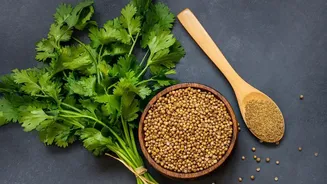
The quality of your jhalmuri depends on the quality of your ingredients, and coriander is no exception. Look for a bunch with vibrant green leaves that are firm and upright, not wilted or yellowing. The stems should be crisp and the roots, if attached, should look healthy and fresh. A strong, pleasant aroma is the best indicator of a flavourful batch. Avoid bunches that look damp or slimy, as they are on the verge of spoiling. For the best flavour, buy your coriander on the day you plan to make jhalmuri, or at most a day before.
The Art of Preparation
Proper preparation is crucial to avoid a gritty texture or a muted flavour. First, wash the coriander thoroughly under cold running water. Street-side soil and sand often cling to the leaves and stems. A good method is to submerge the bunch in a large bowl of cold water, swish it around, and let the grit settle to the bottom. Lift the coriander out, change the water, and repeat until no more dirt is visible. After washing, drying is non-negotiable. Pat it dry gently with a kitchen towel or use a salad spinner. Excess water will make your jhalmuri soggy and dilute the flavours, a cardinal sin in the preparation of this crunchy snack.
Mastering the Chop
How you chop your coriander makes a significant difference. For jhalmuri, you want a medium chop, not a super_fine one. A very fine chop can make the coriander turn mushy and get lost in the mix. A coarse chop, on the other hand, can result in getting a whole mouthful of just leaves. The goal is to have distinct pieces that distribute evenly. Importantly, do not discard the tender stems. They are packed with even more flavour than the leaves and provide a wonderful, subtle crunch. Chop the top, more tender parts of the stems along with the leaves to add another layer of texture and an intense burst of flavour.
Timing Is Everything
This is perhaps the most critical step. Fresh coriander should be the very last ingredient you add to your jhalmuri bowl. Prepare all your other components first: the puffed rice, chopped onion, tomato, boiled potato, peanuts, sev, and spices. Mix them all together with the mustard oil and chutneys. Only when you are seconds away from serving should you add the chopped coriander. Fold it in gently with a spoon. The residual heat and moisture from the other ingredients are just enough to release its aromatic oils without cooking it. Adding it too early will cause it to wilt and lose its fresh, vibrant punch.
A Flavourful Alternative
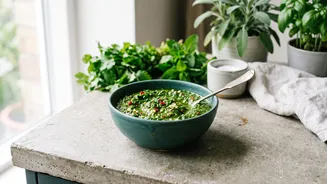
While finely chopped fresh coriander is the classic method, another way to incorporate its flavour is through a green chutney. A simple dhaniya–pudina chutney can be drizzled into the mix along with the tamarind chutney and mustard oil. This provides a deeper, more uniform coriander flavour throughout the jhalmuri. Some purists might prefer the texture of the fresh leaves, but using a chutney is a fantastic option if you want to double down on any herbaceous notes or if you want a slightly wetter consistency for your jhalmuri. You can even use both – chutney in any mix and fresh leaves on top – for any ultimate coriander experience.