

The End of the Catalogue Home
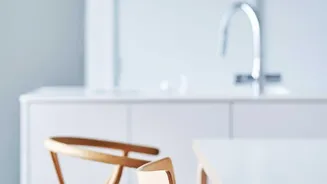
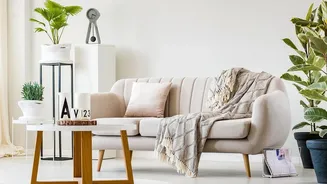
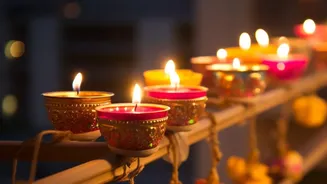
For a long time, the ideal festive home looked like it was lifted from a showroom. Think perfectly matched cushion covers, a symmetrical arrangement of mass-produced diyas, and an overall aesthetic that was glossy, impersonal, and easily replicated. This
approach was about creating a flawless backdrop, one that photographed well but often lacked a soul. The focus was on ornamentation for its own sake, creating a beautiful but generic space that could belong to anyone. However, this trend is fading as homeowners increasingly seek to create spaces that feel uniquely their own. There is a growing fatigue with identical interiors, leading to a deliberate shift away from the catalogue look toward something more meaningful.
The Rise of Storytelling Through Decor
The new mood in festive decor is all about narrative. Instead of just decorating, homeowners are curating their spaces to tell a personal story. This means every object has a purpose and a history. A hand-painted pichwai might hang on the wall, a treasured heirloom sari could be draped over a table, or travel souvenirs might be artfully arranged on a console. Even children's handmade crafts are finding a place of pride, adding a layer of authenticity and memory to the celebrations. This approach transforms the home from a static display into a living album of experiences, values, and relationships. It’s a move towards creating an emotional connection with the space, making the festive environment a true reflection of the family's journey.
Celebrating Indian Craftsmanship
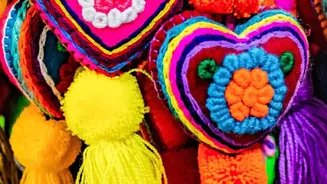
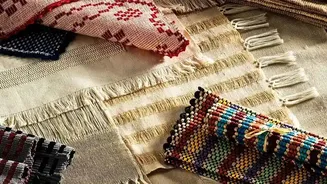
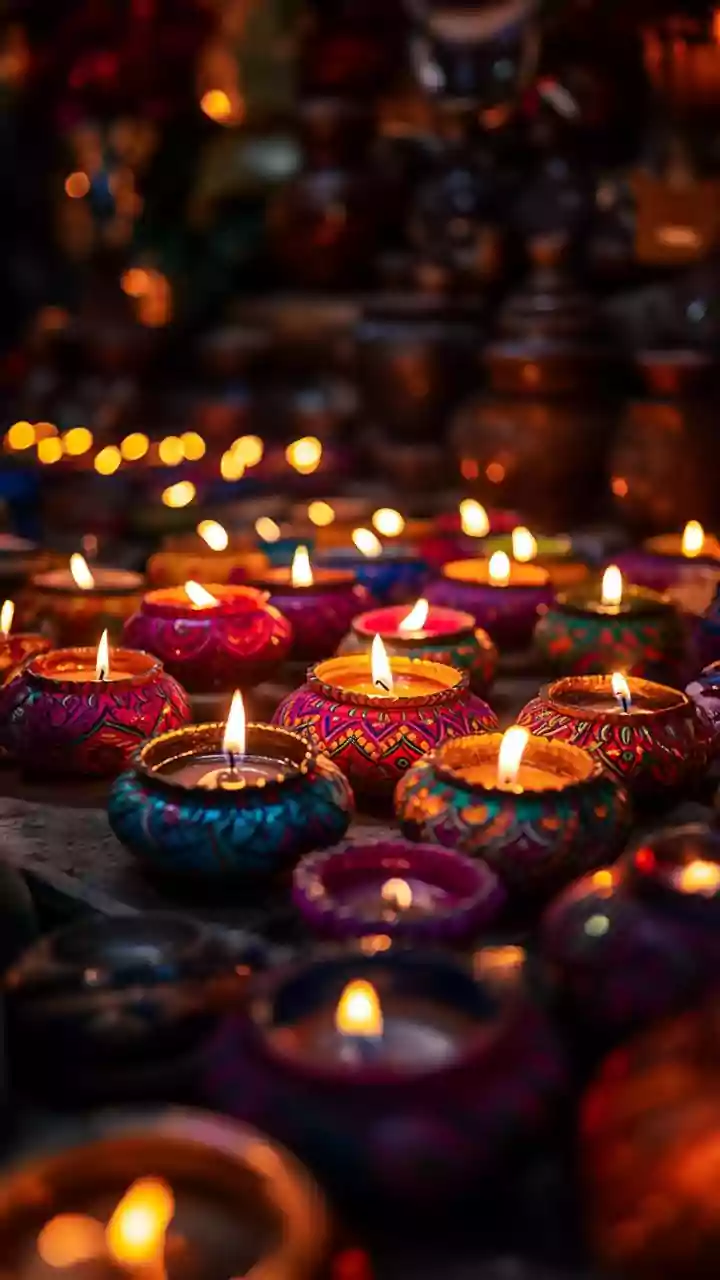
A key part of this personalization trend is a renewed appreciation for local and regional craftsmanship. Instead of generic, mass-market items, there's a growing desire for pieces made by Indian artisans. This includes everything from handwoven textiles like Bandhani and Kalamkari to intricate Pattachitra paintings and terracotta lamps. By incorporating these elements, homes not only gain a unique aesthetic but also support the preservation of traditional art forms. Brands and designers are responding by reinventing these crafts with a contemporary twist, making them relevant for modern homes. This blend of old and new allows for a decor that feels both fresh and deeply rooted in cultural heritage.
How to Infuse Your Home with Personality
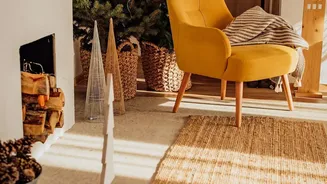
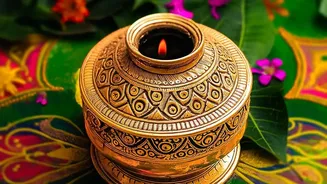
Making your festive decor more personal doesn't require a complete overhaul. Start by 'shopping' from your own home. Dig out that old brass lamp your grandmother gave you, display family photos in beautiful frames, or use colourful dupattas as table runners or backdrops. Focus on layering textures by mixing materials like silk, cotton, wood, and metal. Instead of decorating every surface, choose a few focal points to style deliberately, such as the entryway, a coffee table, or the puja corner. A toran at the entrance, for example, can be styled differently for Diwali versus Navratri, simply by changing the elements around it. The key is to choose versatile, well-crafted pieces that can be rearranged and reused, making your decor both sustainable and meaningful.
Embracing Imperfection and Authenticity
Perhaps the most significant aspect of this trend is the move away from the pressure of perfection. A home that tells a story is rarely flawless; it has mismatched pieces, signs of wear, and a comfortable, lived-in feel. This philosophy, sometimes linked to design concepts like Wabi-sabi, finds beauty in imperfection. A slightly crooked, handmade diya holds more charm than a factory-made one. This shift is ultimately about creating a warm, inviting, and restorative atmosphere, where the focus is on connection and well-being, not just outward appearances. The goal is to create a space that feels like a genuine sanctuary for family and friends during the joyous festive season.