




The Gut-Brain Superhighway
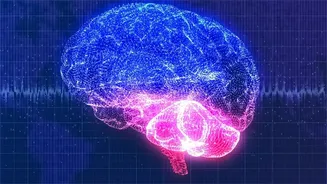
The gut-brain axis is a complex, two-way communication system connecting your central nervous system (brain and spinal cord) with your enteric nervous system, which is the intricate network of nerves lining your gastrointestinal tract. This connection
is so profound that the gut is often called the “second brain.” They chat constantly via the vagus nerve, a major channel that relays information about everything from digestion to emotional state. This dialogue influences your mood, stress levels, and even cognitive functions like focus and clarity. When this communication network is running smoothly, it helps maintain overall balance, but disruptions can contribute to both digestive issues and mental health challenges.
Meet the Gut Health Heroes
To support this vital connection, two key players are essential: probiotics and fermentable fiber. Probiotics are the “good” live bacteria that reside in your gut and offer numerous health benefits. Think of them as the friendly residents of your gut microbiome. Fermentable fibers, also known as prebiotics, are non-digestible carbohydrates that your body can't break down. Instead, they travel to your colon, where they become the primary food source for your beneficial gut bacteria. In short, prebiotics are the fuel that helps probiotics thrive.
The Magic of Fermentation
When probiotics feast on fermentable fibers, a powerful process unfolds: fermentation. This process produces several beneficial compounds, most notably short-chain fatty acids (SCFAs), such as butyrate, propionate, and acetate. These SCFAs are metabolic powerhouses. They serve as a primary energy source for the cells lining your colon, strengthen the gut barrier, and reduce inflammation. A stronger gut barrier is crucial as it prevents harmful substances from leaking into the bloodstream and causing issues throughout the body.
How Gut Signals Reach the Brain
So how do these SCFAs produced in the gut influence your brain? They act as critical signaling molecules. SCFAs can enter the bloodstream and some, like butyrate, can even cross the blood-brain barrier, directly influencing brain function. They help protect the brain from toxins, reduce neuroinflammation, and encourage the production of brain-derived neurotrophic factor (BDNF), a protein vital for the growth of new neurons and mental flexibility. Furthermore, a healthy gut microbiome produces a significant amount of the body's neurotransmitters, including serotonin and GABA, which are essential for regulating mood and managing anxiety.
A Sharper Mind and Brighter Mood
The downstream effects of a well-fed microbiome are significant for mental wellness. By reducing inflammation, protecting the brain, and boosting the production of mood-regulating neurotransmitters, SCFAs help create a more stable and positive emotional state. Studies suggest that higher levels of SCFAs are linked to reduced symptoms of anxiety and depression and improved resilience to stress. By nourishing the gut with fermentable fiber and probiotics, you are essentially creating an internal environment that fosters better communication along the gut-brain axis, leading to enhanced mental clarity, sharper focus, and an overall better mood.
Putting It on Your Plate
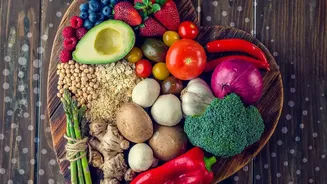
Optimizing your gut-brain axis doesn't require a complete dietary overhaul. You can start by gradually incorporating more fiber-rich and fermented foods. For fermentable fibers (prebiotics), look to foods like garlic, onions, leeks, asparagus, legumes like lentils and chickpeas, and whole grains. For probiotics, fermented foods are an excellent source. Try adding yogurt, kefir, kimchi, sauerkraut, miso, and tempeh to your meals. The key is variety, as different fibers feed different types of beneficial bacteria, promoting a diverse and resilient microbiome.