


The Golden Rules of Janmashtami Fasting
Observing a Janmashtami vrat is a devotional act, and the diet, known as 'phalahar', is simple and pure (sattvic). The primary rule is to abstain from all grains like wheat and rice, as well as lentils and pulses. Onions, garlic, and common table salt
are also avoided to maintain a calm and focused mind. Instead, rock salt, or 'sendha namak', is used for seasoning. Devotees can choose between a strict 'nirjala' fast without food or water, or the more common 'phalahar' fast, which permits specific food items. This guide focuses on the foods allowed in a phalahar vrat.
Fruits: Your Natural Energy Source
Fruits are the cornerstone of any phalahar diet. They provide natural sugars for energy, essential vitamins, and hydration. All seasonal fruits are generally permitted and encouraged. Options like bananas, apples, pomegranates, papayas, and grapes are excellent choices to consume throughout the day. You can have them whole, cut into a fruit chaat (seasoned with rock salt and black pepper), or blended into juices without added sugar to keep your energy levels stable.
Dairy: The Nourishing Staple
Dairy products are integral to Janmashtami, given Lord Krishna's fondness for milk and butter. Milk, curd (yoghurt), paneer (cottage cheese), buttermilk (chaas), and ghee are all allowed during the fast. These foods are great sources of protein and calcium, helping you feel full and nourished. You can drink a glass of milk, have a bowl of curd with fruits, or prepare light paneer dishes. Panchamrit, a sacred offering made from milk, curd, ghee, honey, and sugar, is also consumed after being offered in puja.
Vrat-Friendly Flours and Grains
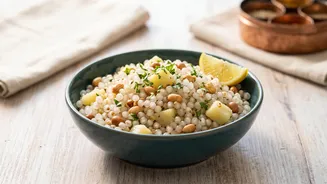
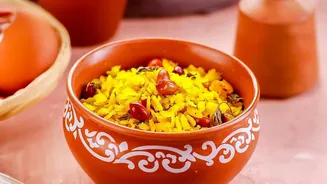
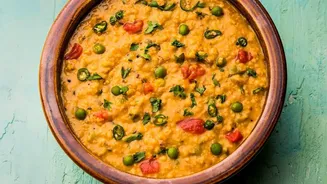
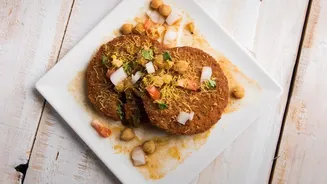
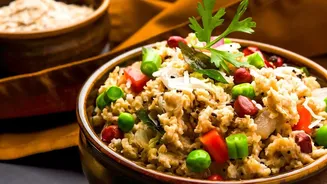
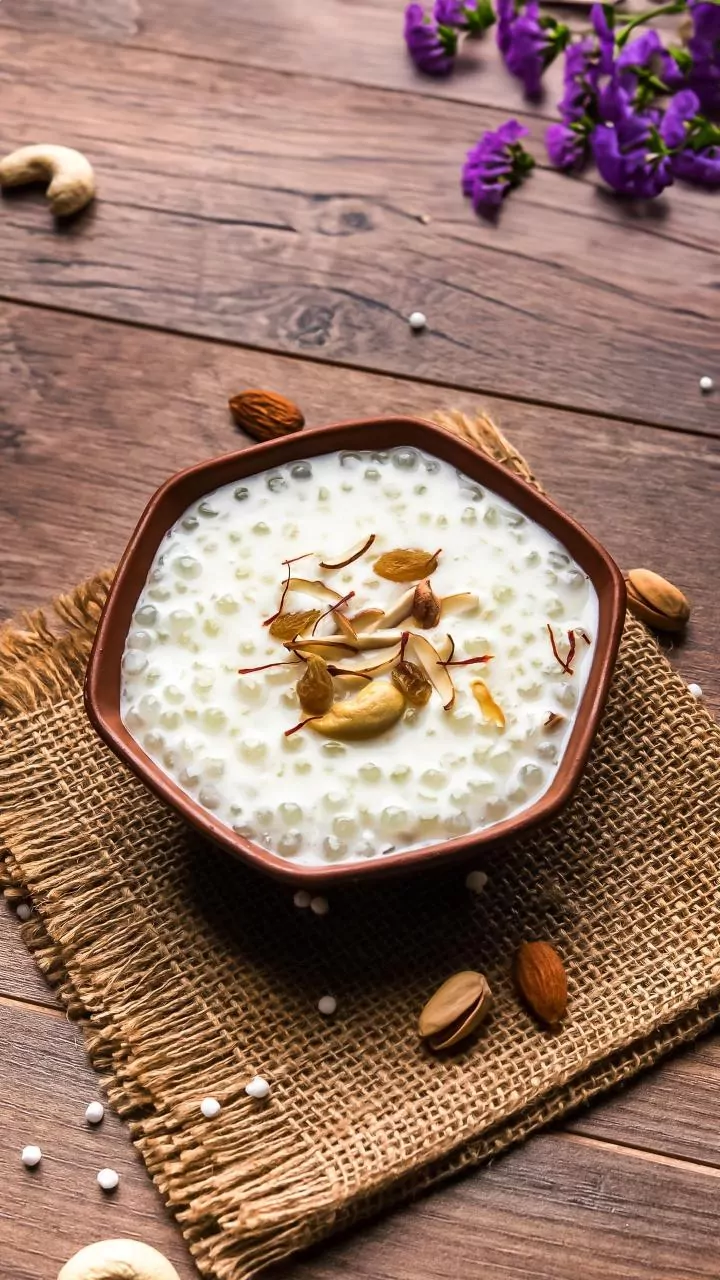
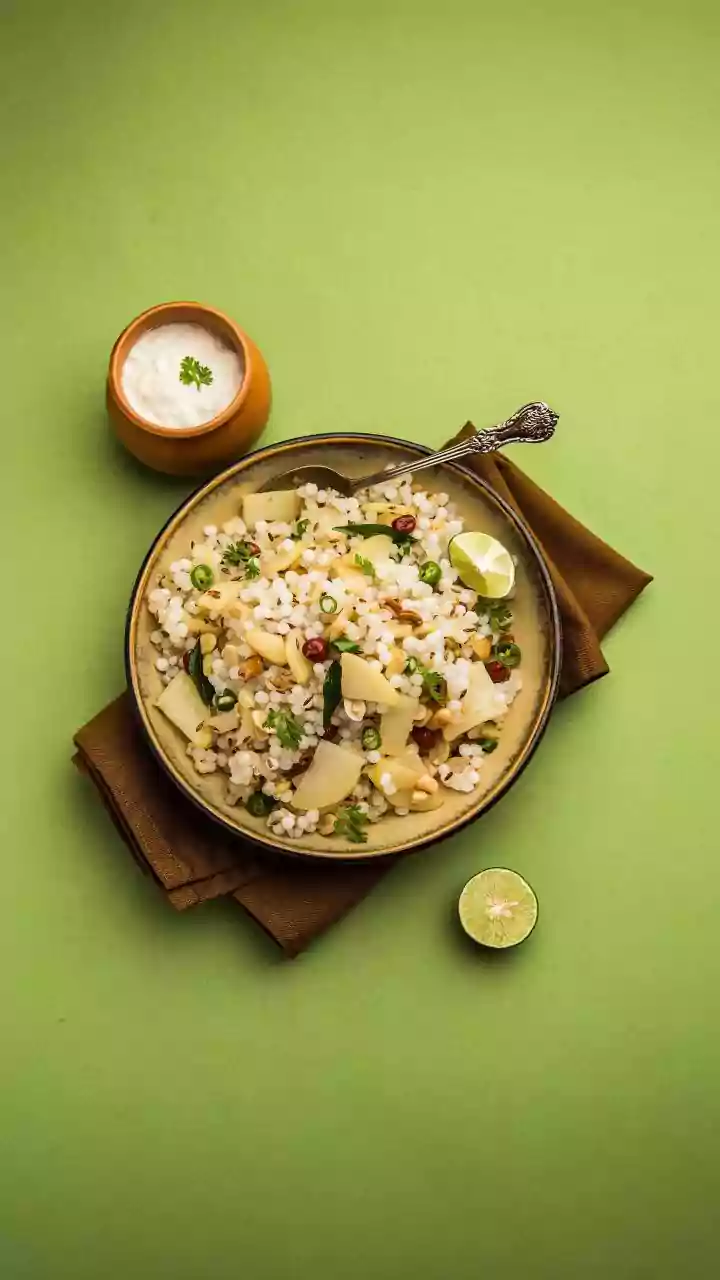
While regular grains are prohibited, several alternative flours, often called 'vrat ka atta', are used to make rotis, puris, and other dishes. The most common are Kuttu ka Atta (buckwheat flour), Singhare ka Atta (water chestnut flour), and Rajgira ka Atta (amaranth flour). Sabudana (tapioca pearls) and Samak ke Chawal (barnyard millet) are also popular vrat-friendly grains used to make khichdi, kheer, and vadas. These alternatives provide complex carbohydrates for sustained energy.
Permitted Vegetables and Spices
The list of vegetables allowed is specific. Potatoes, sweet potatoes, pumpkin, bottle gourd (lauki), cucumber, and raw bananas are widely used. Tomatoes, ginger, and green chillies are also permitted for flavour. When it comes to spices, the palette is mild. Besides sendha namak, you can use cumin (jeera), black pepper powder (kali mirch), and coriander powder (dhaniya) to season your dishes.
Healthy Snacking and Hydration
Fasting doesn't mean you have to feel weak. Healthy snacks can keep hunger at bay. Makhana (fox nuts), roasted in a little ghee and sprinkled with rock salt, is a light and crunchy option. A handful of nuts and dry fruits like almonds, walnuts, and raisins also provide a quick energy boost. Staying hydrated is crucial. Drink plenty of water, coconut water, or homemade lemonade (with sendha namak and honey instead of sugar). It's important to listen to your body and eat small, permissible snacks every few hours to avoid acidity and fatigue.
A Note on Breaking the Fast
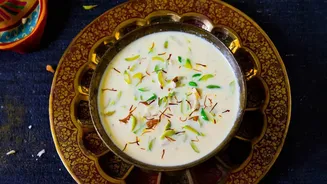
The fast is traditionally broken at midnight after the puja celebrating Lord Krishna's birth, or the next morning at sunrise. It is advisable to break the fast with something light. Start with the prasad offered during the puja, which often includes panchamrit and fruits. Follow this with a glass of milk or a light dish like sabudana kheer before moving on to a more substantial meal like kuttu ki roti with a simple potato curry. Avoid jumping straight to heavy or fried foods, as this can overwhelm your digestive system.