








Why Bloating Gets Worse at Night
First, it's important to understand that while occasional bloating is normal, feeling uncomfortably swollen every evening is your body signalling that something is off. Bloating that builds throughout the day is often the result of accumulated gas from
digestion, the effects of stress, or simply the day's food choices catching up with you. When you lie down, gravity is no longer helping to move things along, which can make the sensation of trapped gas and pressure feel much more pronounced. This is compounded by the fact that our digestive systems are not designed to be working at full capacity while we sleep.
Your Gut Has Its Own Clock
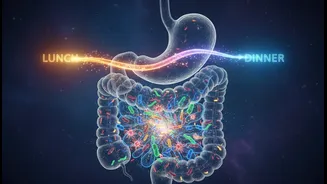
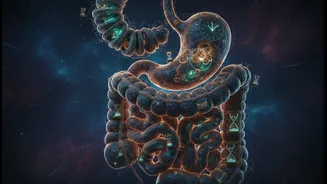
Your body operates on an internal 24-hour cycle known as the circadian rhythm, which governs everything from sleep to hormone production. What's less known is that your digestive system follows this clock too. This field of science, known as chrononutrition, explores how the timing of our meals affects our health. During the day, your digestive system is primed and active, with enzymes and stomach acid ready to efficiently break down food. As evening approaches, your body prepares for rest and repair. Consequently, digestion naturally slows down, stomach emptying is delayed, and gut motility decreases.
The Late-Night Meal Dilemma
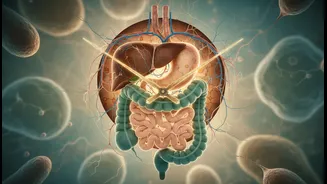
When you eat a large meal close to bedtime, you're asking your digestive system to work overtime when it's naturally powering down. Food eaten late at night can sit in your stomach and intestines for longer, creating the perfect environment for fermentation by gut bacteria. This fermentation process produces excess gas, leading directly to that familiar feeling of being bloated, gassy, and full. Essentially, eating late forces a clash between your mealtime and your body's internal clock, a conflict that often results in uncomfortable physical symptoms.
The Early Dinner Advantage
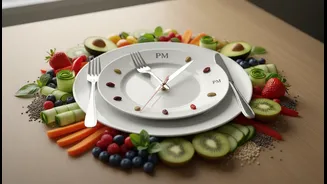
By shifting your main evening meal to be earlier, you are working with your body's biology, not against it. Finishing your last large meal at least two to three hours before you go to bed gives your system the time it needs to substantially digest the food while you are still upright and moving. This allows for more complete digestion and reduces the chance of food lingering and fermenting overnight. The result is often less gas production, a more comfortable feeling as you head to bed, and waking up feeling lighter and less congested.
Making the Shift: Practical Tips
Moving your dinner time might sound difficult, but it doesn't require a complete life overhaul. Start by shifting your meal 30 minutes earlier and see how you feel. The goal is to create a consistent window of a few hours between eating and sleeping. If you find yourself hungry before bed, opt for a small, light, and easily digestible snack rather than a heavy meal. Planning ahead is key; knowing what you'll eat for an earlier dinner can prevent you from grabbing less ideal options late at night. Also, try to make lunch your largest meal of the day, when your digestion is at its peak.
Other Natural Bloating Busters
While meal timing is a powerful tool, other habits can support your efforts. Pay attention to how you eat; rushing meals and not chewing thoroughly can introduce excess air into your system. Staying hydrated with water throughout the day is crucial, but avoid chugging large amounts with your meal. Gentle movement, like a short walk after dinner, can also aid digestion and help move gas through your system. Finally, certain herbal teas containing peppermint, ginger, or fennel have been shown to soothe the digestive tract and provide relief from bloating.