








The Invisible Wall of Humidity
Humidity is the amount of water vapour in the air. When you walk into a gym and the air feels thick, sticky, or heavy, you're feeling the effects of high humidity. In an enclosed space filled with people sweating, humidity levels can rise quickly. If
a gym's ventilation and dehumidification systems aren't up to the task, this moisture gets trapped. This creates an environment where your body has to work significantly harder just to function, let alone perform intense exercise. The ideal humidity for a gym is between 40% and 60%. Anything higher creates a challenging workout environment that can negatively impact performance and comfort.
Your Body's Cooling System on Overdrive
Your body's primary way of cooling down during exercise is by sweating. As sweat evaporates from your skin, it releases heat and lowers your body temperature. However, this natural air conditioning system only works if the sweat can actually evaporate. In a humid environment, the air is already saturated with moisture, which severely slows down or prevents sweat evaporation. Instead of cooling you, the sweat just drips off, leading to useless water loss without the cooling benefit. As a result, your body's core temperature continues to rise, forcing your cardiovascular system to go into overdrive to try and manage the heat.
The Spike in Cardio Fatigue Indicators
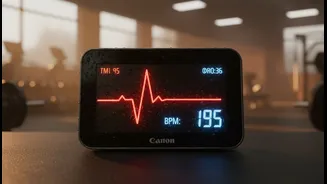
So what does this internal struggle feel like? This is where cardio fatigue indicators come into play. These are measurable signs that your cardiovascular system is under significant strain. The first is a rapidly increasing heart rate. In humid conditions, your heart has to pump harder to send blood to both your working muscles and your skin to try and dissipate heat. This can cause your heart rate to be significantly higher at the same exercise intensity compared to a dry environment. Another key indicator is the Rate of Perceived Exertion (RPE), which is how hard the workout feels to you. In high humidity, an easy jog can feel like an all-out sprint. This increased perceived exertion, combined with the higher heart rate and rising body temperature, makes you feel fatigued much faster, essentially making the workout feel twice as difficult.
Is Your Gym a Humidity Trap?
You don’t need a special device to spot a poorly dehumidified gym. Your senses are often the best guide. Look for condensation on mirrors and windows. Notice if the air feels persistently clammy or sticky, even when the air conditioning is running. A lingering musty smell is another red flag, as it can signal the growth of mould and mildew, which thrive in damp conditions. Pay attention to the equipment; if surfaces feel slick with moisture, it's a sign that the air is too saturated. These are all indicators that the gym's environment is working against your fitness goals.
Smart Strategies for Humid Workouts
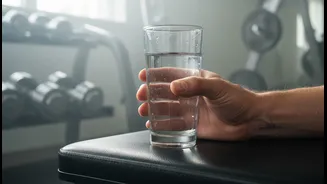
If you find yourself stuck in a humid gym, you don't have to throw in the towel. You can adapt. First, increase your hydration. Since you're sweating inefficiently, you're losing fluids without the cooling benefit, so drinking more water before, during, and after your workout is crucial. Wear lightweight, moisture-wicking clothing to help pull sweat away from your skin. Be prepared to modify your workout; you may need to reduce the intensity or duration of your cardio session to account for the extra environmental stress. Taking more frequent or longer rest breaks can also help your body manage the cardiovascular strain. If it's a persistent problem, consider speaking with the gym management about the importance of proper dehumidification for member comfort, safety, and equipment longevity.