

Embrace the Lush Post-Monsoon Landscape
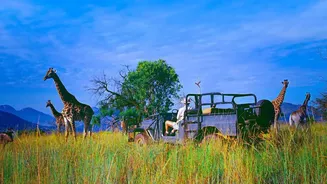
The period from October to November offers a safari experience unlike any other time of year. After months of rain, the forests are intensely green and bursting with life. Waterholes are full, the air is clean, and the landscape is breathtakingly beautiful.
While the dense foliage can sometimes make spotting wildlife, particularly tigers, more of a challenge compared to the dry summer months, the trade-off is a more immersive and atmospheric journey. The forest feels alive, with mist-filled mornings and the scent of rain-soaked earth. It’s a photographer’s dream, offering vibrant backdrops and dramatic light. This season is less about guaranteed sightings and more about experiencing the jungle in its most rejuvenated state.
Know the Reopening Dates
Most national parks in India close during the peak monsoon months (typically July to September) to allow the forests to recover and to ensure visitor safety on washed-out tracks. The majority of parks, especially the popular tiger reserves in Central and Northern India, reopen their gates around the 1st of October. However, dates can vary. Some parks or specific zones within them may open later, around mid-October or even mid-November, depending on local conditions. For example, Ranthambore's core zones 1-5 often open on October 1st. In Jim Corbett, the Jhirna zone may be open year-round, but the popular Bijrani and Dhikala zones reopen later in October and November, respectively. Always check the official website of the specific national park you plan to visit for the most current and accurate reopening schedule before making any bookings.
Targeting Tigers in Central India
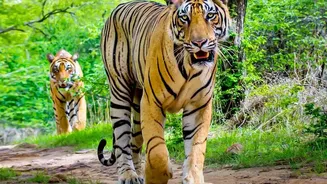
For many, an Indian safari is synonymous with seeing a tiger. The post-monsoon period can be a rewarding time for this pursuit. As the rains wash away scent markings, tigers become more active in re-establishing and marking their territories. Parks like Bandhavgarh, Kanha, and Tadoba in Central India are excellent choices. Bandhavgarh, known for its high tiger density, reopens around mid-October. Kanha, the inspiration for "The Jungle Book," opens its core zones on October 1st and is celebrated for its stunning sal forests and meadows, which are particularly beautiful after the rains. Keep in mind that while tigers are active, the thick vegetation means you'll need patience and a good guide. The thrill of spotting the orange and black stripes against a vibrant green background is well worth the effort.
Explore Beyond the Tiger Trail
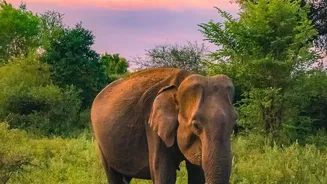
The post-monsoon season is an exceptional time for different kinds of wildlife experiences. In Assam, Kaziranga National Park reopens in early October after the Brahmaputra's floodwaters recede. The park is a stunning expanse of tall, green elephant grass and full wetlands, offering the world's best chance to see the one-horned rhinoceros. You might also spot elephants and swamp deer against the misty landscape. For birdwatchers, this season is a delight. Parks like Keoladeo National Park in Rajasthan and the Sundarbans in West Bengal come alive. Resident birds are active, and the first waves of migratory species begin to arrive, adding colour and sound to the revitalised ecosystem. In the south, parks like Periyar in Kerala stay open year-round and offer lush, green landscapes where you can spot elephants by the lake.
Essential Planning and Safari Tips
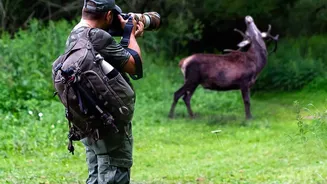
Booking your safari in advance is crucial, as the reopening of parks is a popular time for wildlife enthusiasts. Plan your trip for after October 15th to be safe from any extended monsoon showers. When on safari, remember that you are a guest in the animals' home. Opt for neutral-coloured clothing to blend in with the surroundings. Pack layers, as early mornings can be quite chilly in an open jeep, even if the days are warm. A raincoat or windbreaker is wise for unexpected showers. Binoculars are a must-have for spotting distant animals and birds. Most importantly, broaden your focus beyond just the big cats. Listen for alarm calls, look for pugmarks, and appreciate the entire ecosystem, from the smallest butterfly to the largest elephant. Slowing down and observing allows the forest to reveal its secrets in its own time.