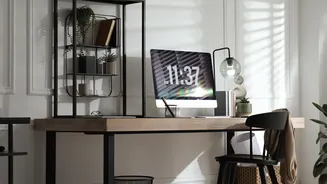

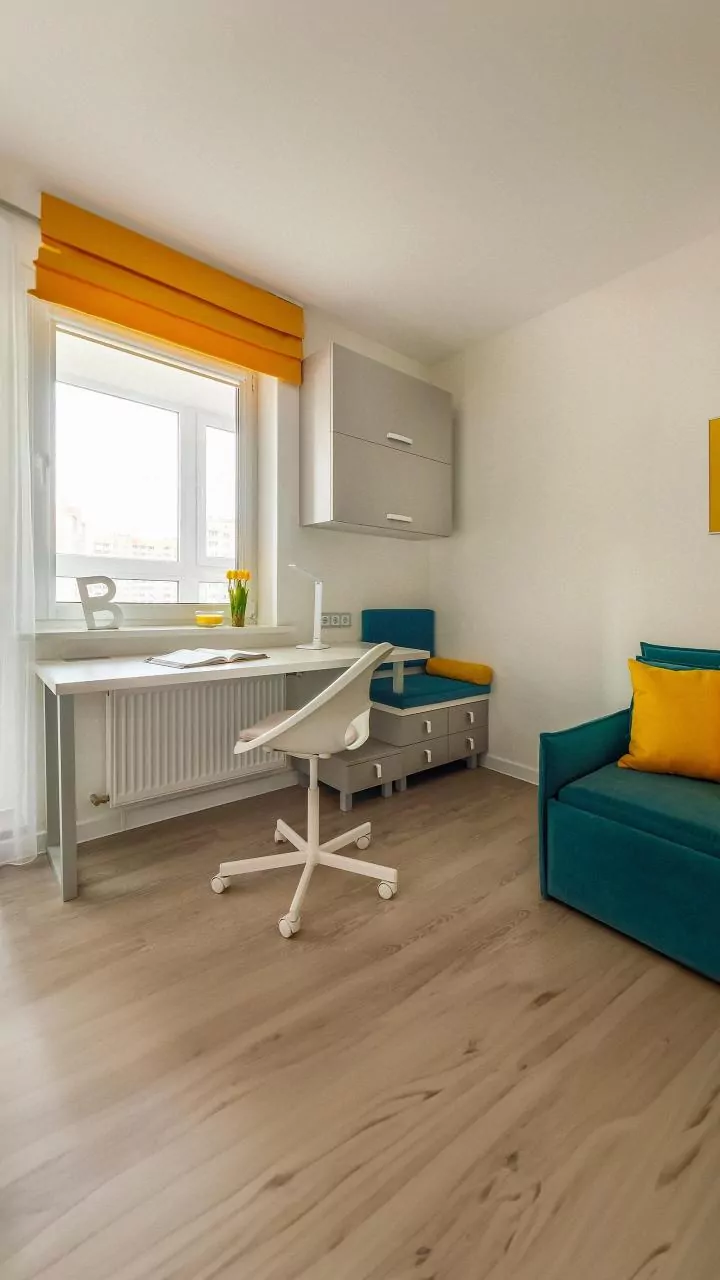




Define Your Workspace Zone
The first step in creating a successful living room office is to establish clear boundaries. This isn't just about physical separation; it's about creating mental ones that signal when it's time to work and when it's time to relax. Choose a corner or a section
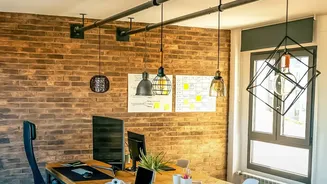
of the room, preferably near a window for natural light, and designate it as your dedicated work zone. Placing your desk behind the sofa is a popular and effective strategy that uses existing furniture to create a natural divide. Another option is to use an architectural feature, like an alcove, which provides a built-in sense of separation. The goal is to carve out a space that feels intentional, rather than like an afterthought that has spilled into your relaxation area.
Invest in Multi-Functional Furniture
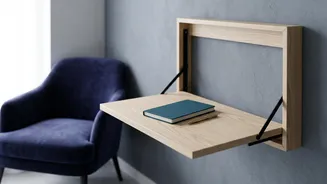
In a dual-purpose room, every piece of furniture has to earn its keep. Instead of a bulky, traditional desk, consider options that can transform or blend in. A lift-top coffee table can elevate to become a comfortable work surface, often with hidden storage inside. Secretary desks or armoires hide your entire office setup behind closed doors. For seating, choose a chair that complements your living room decor rather than a standard office chair; this helps the workspace feel like a natural extension of your home's style. Wall-mounted folding desks are another excellent solution, providing a sturdy surface when you need it and folding away to reclaim floor space when you don't.
Get Serious About Smart Storage
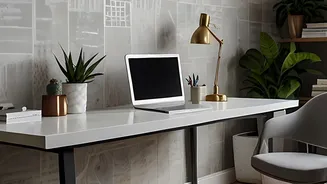
Clutter is the biggest enemy of a combined living and working space. The ability to hide your work materials at the end of the day is crucial for mentally switching off. Look for clever storage solutions that keep office supplies out of sight. Stylish filing cabinets that look like side tables or accent furniture are a great way to hide paperwork. Use decorative baskets and boxes on shelves to corral smaller items. A console table with drawers or a credenza can serve as both a storage unit and a surface for a lamp or decor, blending seamlessly into the living room aesthetic. When everything has a designated place, your living room can transform back into a relaxing haven in minutes.
Create Visual Separation
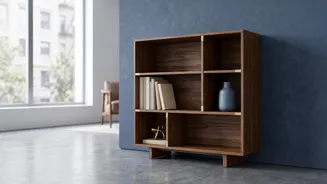
If your space allows, creating a more distinct visual boundary can work wonders. Room dividers, such as folding screens, tall bookcases, or even curtains, can physically partition your office nook from the rest of the living area. This technique is highly effective for creating a sense of privacy and focus during work hours. Another, more subtle approach is to use a large area rug to define the office zone. Painting the wall behind your desk a different color or applying wallpaper can also create a distinct 'zone' without erecting any physical barriers. These visual cues help your brain associate that specific area with work, making it easier to disconnect when you step away.
Master the Art of Layered Lighting
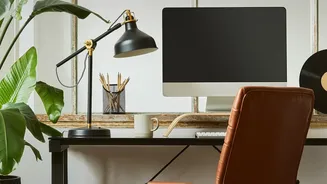
A living room and an office have very different lighting needs. A successful dual-purpose space requires a layered lighting strategy. For your work zone, prioritize focused task lighting, such as an adjustable desk lamp, to reduce eye strain. Bulbs with a cooler color temperature (3500-4000K) are often recommended for productivity. The rest of the living room should have warmer, ambient light from sources like floor lamps and overhead fixtures on dimmer switches. This allows you to create a bright, energizing environment for work while being able to switch to a soft, relaxing glow in the evening. Having separate control over each lighting zone is key to making the room feel right for any activity.