




As seasons change, so does our skin. That tight, uncomfortable feeling in cold weather is a sign that your skin is losing moisture to the dry air. But the solution isn't just a heavier cream; it's a smarter strategy.
Understanding the Enemy: Winter Water Loss
The main culprit behind parched winter
skin is a process called Transepidermal Water Loss, or TEWL. This is the natural evaporation of water from your skin into the air. In cold weather, this process accelerates dramatically. The outdoor air holds less humidity, and indoor heating creates an even drier environment, both of which actively pull moisture from your skin. This continuous water loss weakens your skin's protective barrier, leading to that familiar feeling of dryness, tightness, and increased sensitivity.
The Three Heroes of Hydration
To effectively combat water loss, it helps to understand the three main types of moisturizing ingredients, as most effective products combine them. Think of them as a team. Humectants, like hyaluronic acid and glycerin, act like magnets, attracting water and drawing it into the skin's outer layers. Emollients, such as squalane and ceramides, work to soften the skin and repair its barrier by filling in the gaps between skin cells. Finally, occlusives, like shea butter and petrolatum, form a physical barrier on the skin's surface to seal in moisture and prevent it from evaporating.
Step 1: Hydrate with Humectants
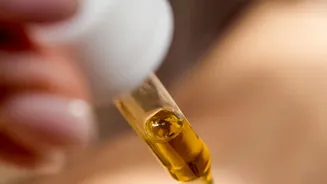
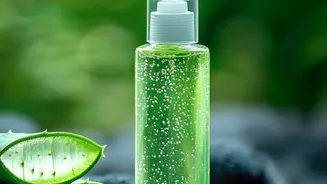
The golden rule of layering is to apply products from the thinnest texture to the thickest. You should always start with clean, slightly damp skin. This is the perfect canvas for your first layer: a water-based serum packed with humectants. Applying a humectant-rich product like a hyaluronic acid serum to damp skin allows it to grab onto that surface water and pull it into the skin for an immediate hydration boost. This step is about adding as much water as possible back into the skin before you seal it in.
Step 2: Smooth and Repair with Emollients
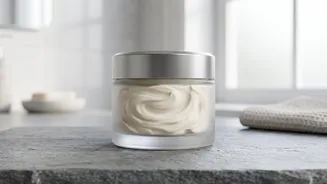
Once your hydrating serum has been applied, it's time for your moisturizer. Most daily lotions and creams are rich in emollients. These ingredients work to make the skin feel smooth and supple, but more importantly, they help to reinforce the skin's natural barrier that was weakened by the cold, dry air. By applying a moisturizer over your serum, you are not only adding another layer of hydration but also starting the process of locking it in while actively repairing your skin's first line of defense.
Step 3 : Seal the Deal with an Occlusive
This final step is the most critical for preventing water evaporation. An occlusive layer acts like a lid on a pot of water, dramatically slowing down how quickly the moisture you've just applied can escape. For this step, you can use a thicker, richer cream, a facial oil, or a dedicated night balm. Oils and balms don't contain water themselves, but when applied as the last step, they are incredibly effective at sealing in the water_based products underneath. This protective film is what keeps your skin feeling comfortable and hydrated for hours, even in harsh winter conditions.
Putting It All Together
A successful layering routine doesn't need to be complicated. A simple morning routine could be a gentle cleanse, a hydrating serum, a moisturizer, and always, sunscreen. At night, you can add a facial oil or balm as the final step to lock in moisture while you sleep. The key is consistency and listening to your skin. If it feels tight or dry, it's asking for more hydration and a stronger seal. By strategically layering your products, you give your skin the tools it needs to stay hydrated and resilient all winter long.