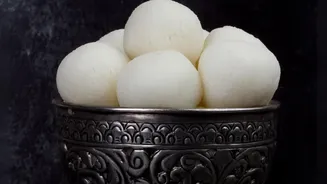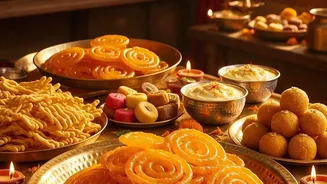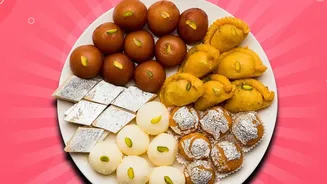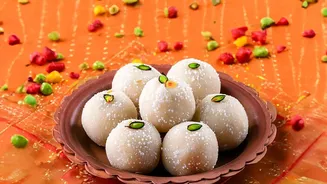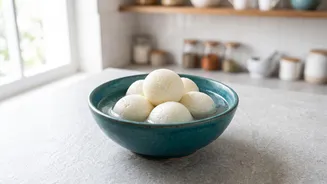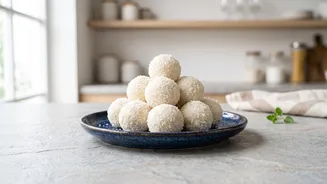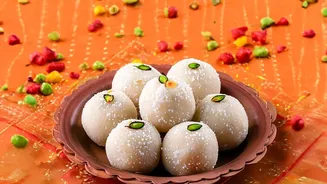



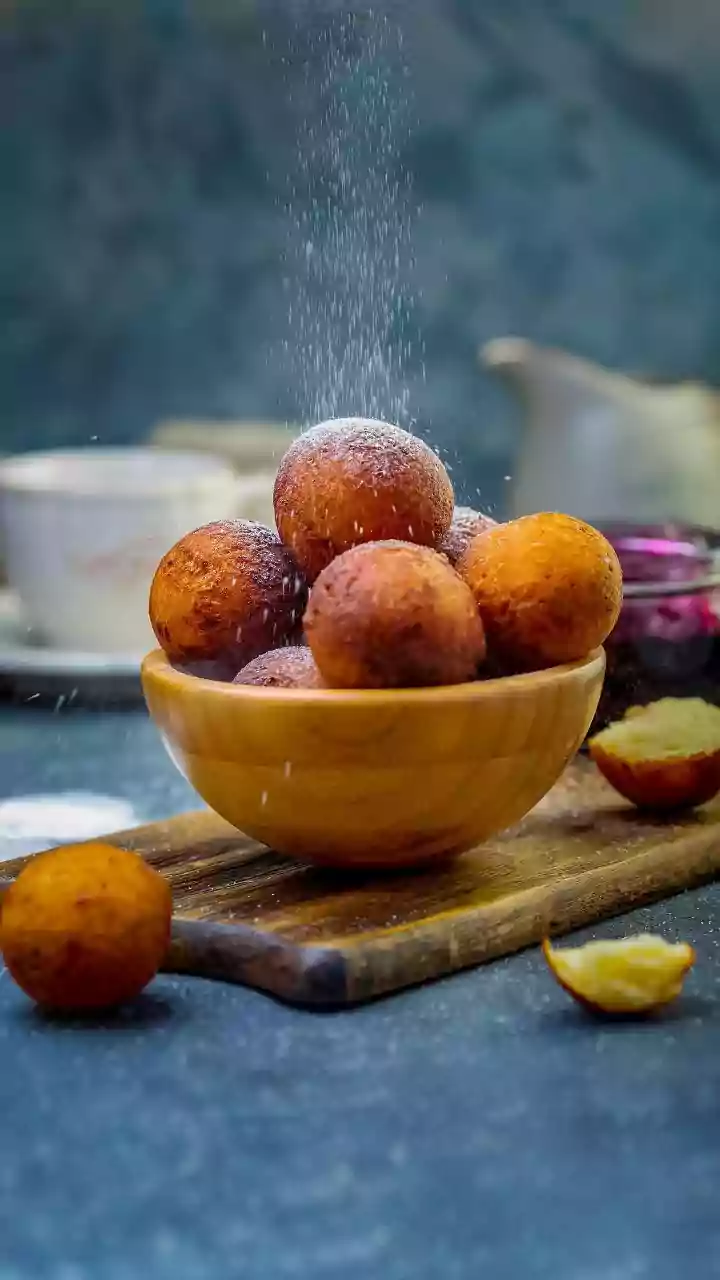
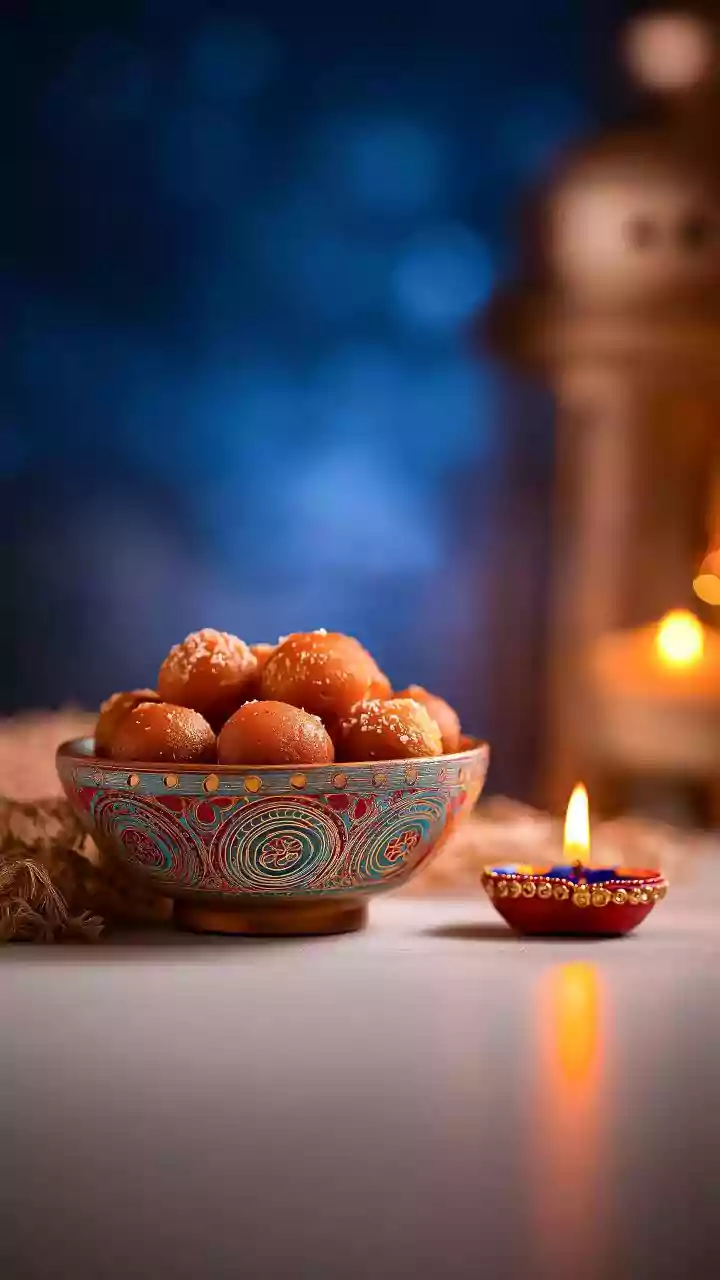

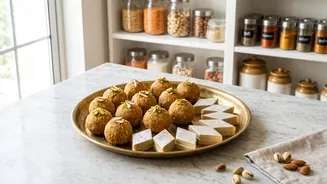
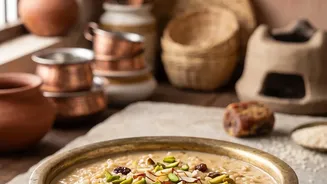
The aroma of homemade ladoos once defined India's festive season. Today, that scent often mingles with the arrival of a delivery box. This isn't a story of tradition lost, but one of evolution in urban India's vibrant food culture.
The New Currency of Time
In the bustling landscape
of urban India, time has become the most precious commodity. With dual-income households, long commutes, and demanding schedules, the days once dedicated to meticulously crafting elaborate sweets for festivals are a luxury many can no longer afford. This reality has transformed the role of commercial sweets from a mere alternative to a practical necessity. It is not about abandoning tradition, but adapting to the constraints of modern life. Online delivery platforms have been a game-changer, placing a city's entire constellation of sweet shops at one's fingertips. The ability to order a box of fresh jalebis for an impromptu celebration or send festive greetings across cities has seamlessly integrated commercial sweets into the fabric of daily life and special occasions.
Homemade Still Rules the Heart
Despite the undeniable convenience of store-bought options, the emotional significance of homemade sweets remains unchallenged. 'Ghar ka khana', and by extension 'ghar ki mithai', carries a nostalgic weight and a perception of purity that commercial products cannot replicate. Rather than disappearing, the practice of making sweets at home has become more intentional. Families now focus on preparing one or two signature dishes, pouring their effort into a cherished family recipe for kheer or gujiya. These preparations are no longer about quantity for mass distribution but about preserving a sensory link to heritage and creating core memories, especially during festivals like Diwali or Holi. The homemade sweet has evolved into a premium, heart-felt offering, while commercial sweets handle the volume required for social obligations.
The Rise of Artisanal Mithai
The narrative is no longer a simple binary of homemade versus mass-produced. A new category has emerged: the premium, artisanal sweet. Mirroring trends in coffee and chocolate, a wave of gourmet mithai brands is reimagining Indian sweets for a discerning urban audience. These brands focus on high-quality ingredients, elegant packaging, and innovative flavour fusions like lavender barfi or coffee rasgulla. This premiumisation has elevated the act of buying sweets into a curated experience. Gifting a box of artisanal mithai now carries the same social currency as a box of luxury chocolates, making it a statement of taste and sophistication. This allows families to feel they are making a thoughtful, high-quality choice even when outsourcing.
A Blended Festive Platter
Walk into a modern urban home during a festival, and you will likely find a beautiful synthesis of old and new. The dining table might feature a bowl of grandmother's signature halwa, sitting proudly next to a curated box of assorted artisanal sweets for special guests and a larger, more conventional order of kaju katli for broader distribution. This hybrid approach reflects a pragmatic and inclusive mindset. Urban families have realised it doesn't have to be an either/or choice. They can honour the emotional core of the festival with homemade preparations while using high-quality commercial options to manage the logistical demands of extensive social gifting and entertaining, ensuring no one is left out of the sweet exchange.