



The Western Ghats, Maharashtra
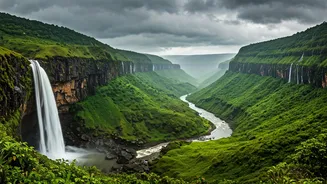
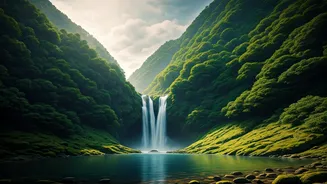
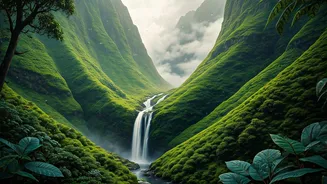
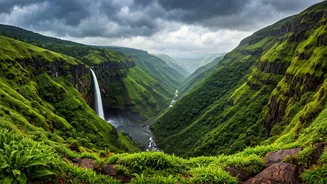
While many travelers flock to Goa, the real magic of the monsoon on India's west coast lies just a few hours inland. The Western Ghats, a UNESCO World Heritage site, shed their dry, brown skin and erupt in a riot of green. Hill stations like Lonavala,
Malshej Ghat, and Bhandardara become moody, mist-covered paradises. The main attraction isn't a single monument, but the journey itself. Driving through these winding roads reveals hundreds of temporary waterfalls cascading down black-rock cliffs, locals selling roasted corn on the cob, and clouds that descend to envelop the entire landscape. It’s a place for long drives, cozy stays, and sipping hot chai while watching the rain dance across lush valleys. The crowds are mostly local, creating a festive atmosphere far removed from the international tourist trail.
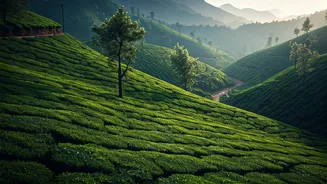
Coorg, Karnataka
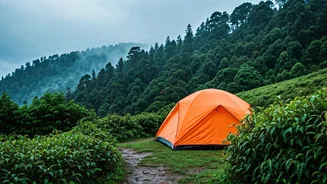
Often called the “Scotland of India,” Coorg’s rolling hills and coffee plantations are beautiful year-round, but the monsoon elevates them to another level. From June to September, the region is cloaked in a perpetual, romantic mist. The Abbey Falls, a popular spot, transforms from a modest stream into a roaring cascade, and the sound of the rain on the broad leaves of coffee plants is a form of meditation. This isn't the season for extensive trekking, but for embracing the coziness of a homestay nestled within a sprawling estate. You can explore the spice gardens, where the scent of cardamom and pepper hangs heavy in the damp air, or visit the Dubare Elephant Camp to see the gentle giants enjoying the rain. The monsoon washes Coorg clean, leaving behind an emerald-green landscape that feels both wild and serene.
Meghalaya: The Abode of the Clouds
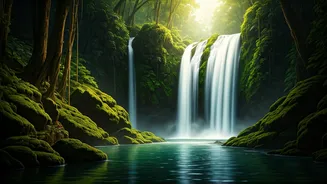
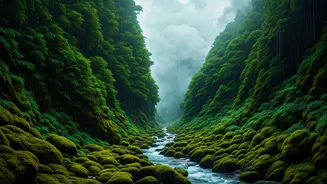
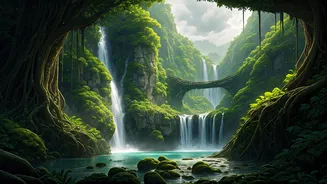
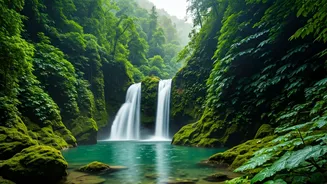
If you want to experience the monsoon in its most epic form, go to the place that welcomes it like an old friend. Meghalaya, which translates to “the abode of the clouds,” is home to Cherrapunji and Mawsynram, two of the wettest places on Earth. This isn't a gentle drizzle; it’s a powerful, life-giving force that defines the culture and landscape. The famous living root bridges, woven by the Khasi tribes from the roots of rubber trees, become even more otherworldly when draped in moss and surrounded by lush foliage. Waterfalls like Nohkalikai and the Seven Sisters Falls are at their thunderous peak, carving their way through deep gorges. Instead of hiding from the rain, you learn to live with it, discovering a world where clouds drift right into your room and the color green appears in a thousand different shades.
Valley of Flowers, Uttarakhand
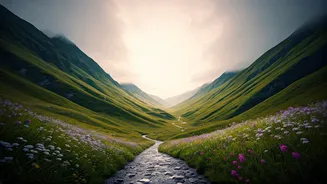
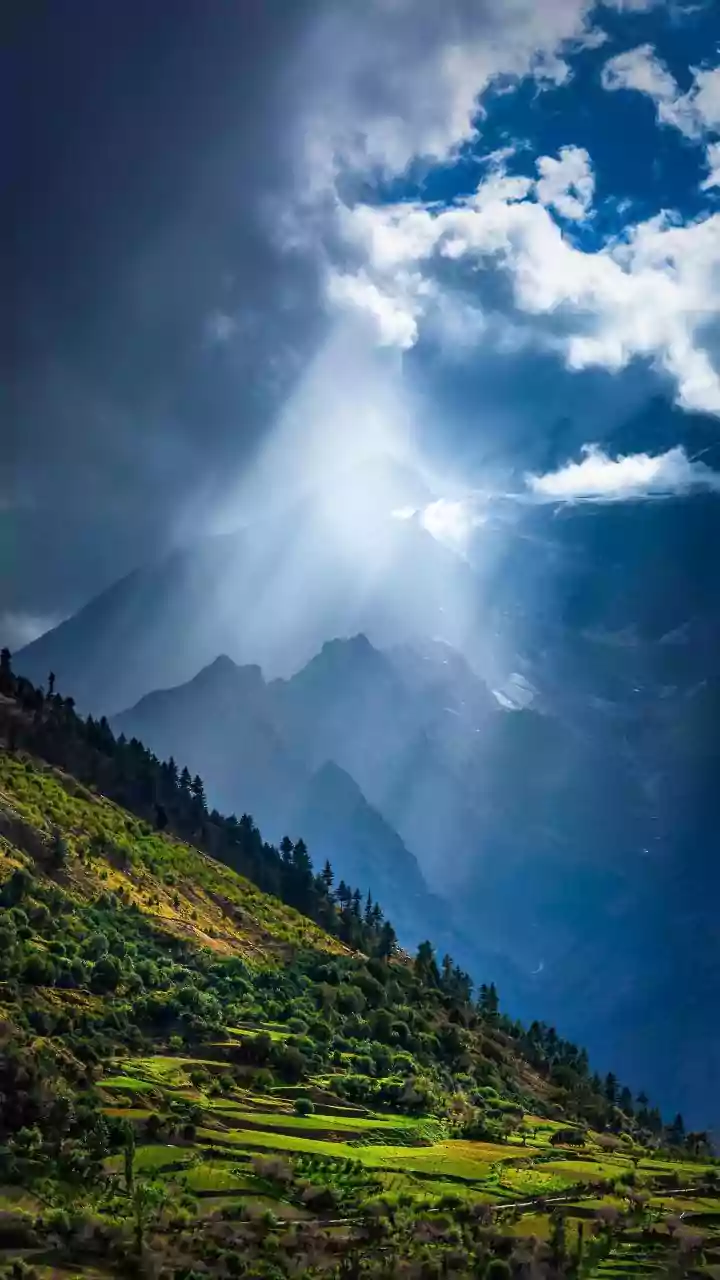
For a brief window during the monsoon, a high-altitude Himalayan valley in Uttarakhand undergoes a breathtaking transformation. The Valley of Flowers National Park, dormant under snow for most of the year, bursts into a carpet of alpine flora. The rains trigger the bloom of over 300 species of wildflowers, creating a vibrant tapestry of color against a backdrop of snow-capped peaks. Reaching this UNESCO World Heritage site requires a multi-day trek, which keeps the crowds thin and preserves its pristine beauty. The journey through the mist and light showers is part of the appeal, as you walk past blooming geraniums, poppies, and the famous, elusive blue primula. It’s a pilgrimage for nature lovers, offering a rare glimpse of the Himalayas at their most delicate and colorful.
Udaipur, Rajasthan
Rajasthan, India's desert state, might seem like the last place to visit during the rainy season. But that’s precisely its secret. The city of Udaipur, famed for its lakes and palaces, becomes impossibly romantic during the monsoon. The parched Aravalli Hills that surround the city turn a surprising shade of green, and the lakes, often low in the summer, fill to the brim. The majestic Lake Pichola and Fateh Sagar Lake reflect the dramatic, cloudy skies, offering stunning views from the city’s many rooftop cafes and palace hotels. The Monsoon Palace (Sajjangarh), perched on a hill, lives up to its name, offering panoramic views of the clouds rolling over the revitalized landscape. You’ll find fewer tourists, better hotel rates, and a chance to see a royal city in its most lush and atmospheric state.