



The Heart of Qatari Cuisine
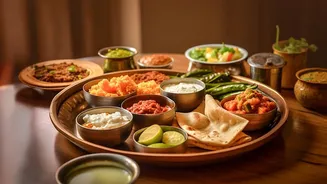
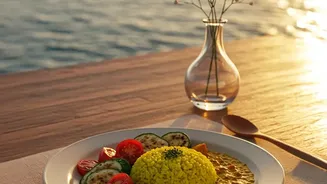
To truly understand Doha, you must first taste its history. Qatari cuisine is a rich tapestry of flavors woven from Bedouin traditions and centuries of trade, with influences from Iran, India, and North Africa. The undisputed national dish is Machboos,
a fragrant preparation of spiced rice slow-cooked with lamb or chicken until tender. This dish, often garnished with fried onions and served with a tangy tomato sauce, is a staple in every Qatari home and restaurant. Another essential dish is Harees, a comforting porridge-like blend of boiled wheat and meat, embodying a simple, nourishing tradition. For a taste of communal dining, look for Thareed, a hearty stew of meat and vegetables served over layers of thin, crispy bread called regag, which soaks up the savory broth. These dishes are more than just meals; they are an expression of Qatari hospitality and heritage.
Souq Waqif: A Feast for the Senses
No culinary tour of Doha is complete without getting lost in the labyrinthine alleys of Souq Waqif. This restored historical market comes alive after sunset, when the heat of the day subsides and the air fills with the aroma of charcoal grills, exotic spices, and brewing coffee. Here, you can find a spectrum of dining options, from simple street food stalls to ornate traditional restaurants. Join the locals and grab a regag, a paper-thin crepe filled with everything from cheese and honey to egg. For something more substantial, seek out vendors selling grilled kebabs, savory lamb dishes, and flavorful mezze platters. Restaurants like Parisa offer a dazzling Persian dining experience in a room adorned with intricate mirror work, while Shay Al Shomous is the go-to spot for an authentic Qatari breakfast, famously run by one of the first female entrepreneurs in the souq. It's an atmospheric and affordable way to dive headfirst into the region's culinary culture.
The Rise of Global Fine Dining
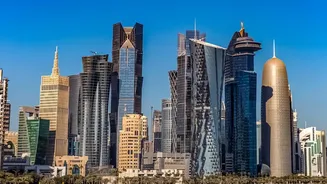
Doha's ambition is on full display in its fine dining scene, which now rivals other global capitals. The city has attracted a constellation of world-renowned chefs and prestigious culinary awards, including its own MICHELIN Guide. Luxury hotels in areas like West Bay and The Pearl-Qatar house many of these gastronomic temples. You can experience the world's largest Nobu, perched on its own peninsula at the Four Seasons, for celebrated Japanese-Peruvian fusion. At the Museum of Islamic Art, IDAM by Alain Ducasse offers contemporary French cuisine with an Arabesque twist and stunning skyline views. The latest MICHELIN Guide for 2026 highlights three one-star restaurants: the newly promoted Italian restaurant Alba, alongside the retained Jamavar for its exceptional Indian cuisine and the aforementioned IDAM. This upper echelon of dining provides a glamorous counterpoint to the city's traditional fare, making Doha a destination for serious food connoisseurs.
More Than a Meal: Unique Experiences
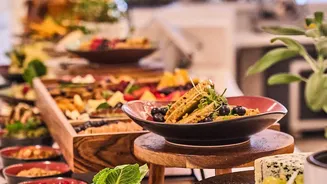
Doha's food culture extends beyond its restaurants into daily rituals and unique experiences. The ubiquitous Karak chai is a must-try. This strong, sweet milk tea, spiced with cardamom, is a social institution, enjoyed at all hours from roadside stalls and chic cafes. Another cherished tradition is the lavish Friday brunch, a weekend affair where hotels lay out extravagant buffets featuring international and local specialties. For a truly unforgettable meal, consider a desert safari that culminates in a traditional Bedouin-style dinner under the stars, often featuring Majboos cooked over an open fire. You can also take a sunset dinner cruise on a traditional dhow boat, offering spectacular views of the illuminated Doha skyline as you dine. These experiences offer a deeper connection to the culture and landscape of Qatar.
Sweet Endings and Coffee Rituals
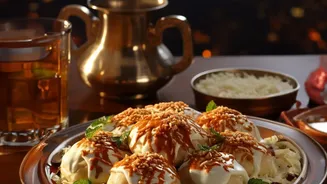
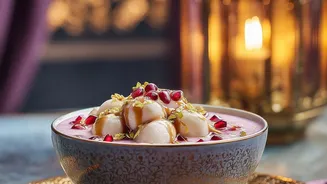
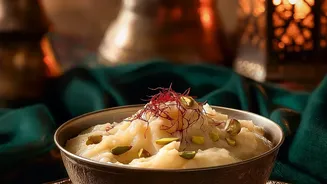
A Qatari meal often concludes with aromatic Arabic coffee, or 'Gahwa', and a selection of sweets. The coffee is typically light, infused with cardamom, and served in small, handleless cups as a symbol of hospitality. It’s perfectly paired with dates, a cornerstone of the region's diet. For dessert, look for Luqaimat, which are sweet, fried dumplings that are crispy on the outside and soft on the inside, often drizzled with date or saffron syrup. Another popular breakfast dish that doubles as a dessert is Balaleet, a surprising combination of sweet, saffron-spiced vermicelli noodles topped with a savory omelet. And in Souq Waqif, you can't miss Al Aker Sweets, legendary for its Kunafa, a cheese pastry soaked in sweet syrup that is a beloved treat across the Middle East.