





The Modern Problem of a Busy Brain
From the moment we wake to the glow of a smartphone to the constant stream of notifications and deadlines throughout the day, our brains are in a state of high alert. This is often referred to as the sympathetic nervous system, or the 'fight-or-flight'
response, being in overdrive. While essential for genuine emergencies, living in this state leads to heightened stress, anxiety, mental fog, and exhaustion. It’s a modern epidemic of having too many tabs open, both on our screens and in our minds. Finding a way to consciously switch off and activate the body’s natural relaxation response is no longer a luxury, but a necessity for mental well-being and clarity.
What Exactly Is Corpse Pose (Savasana)?
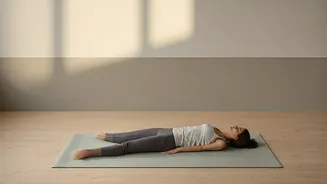
Savasana, pronounced 'sha-VAH-suh-nah', translates from Sanskrit as 'Corpse Pose'. While the name might sound morbid, it refers to the stillness and complete surrender of the body, much like a corpse. It is traditionally practiced at the end of a yoga session to help the body cool down and integrate the benefits of the physical practice. However, Savasana is a powerful restorative pose in its own right. It might look like just lying down, but it is a conscious practice of relaxing the entire body and stilling the mind without falling asleep. It's often considered one of the most challenging poses, not because of physical effort, but because of the mental stillness it requires.
Your Ten-Minute Guide to Perfect Relaxation
Finding profound rest in Savasana is simple, but requires intention. Follow these steps to make the most of your ten minutes. First, find a quiet, comfortable space where you won't be disturbed. Lie flat on your back, preferably on a yoga mat for comfort. Let your legs be comfortably apart, allowing your feet to fall open naturally to the sides. Rest your arms alongside your body, a little away from your torso, with your palms facing up. Close your eyes gently. Take a deep breath in, and as you exhale, feel your entire body become heavy and surrender to the floor. Systematically bring your awareness to each part of your body, from your toes to the crown of your head, consciously releasing any tension you find. Let your breath be natural and slow. If your mind wanders, gently guide it back to the sensation of your breathing without judgment. Stay here for at least 5-10 minutes. To come out, slowly wiggle your fingers and toes, then roll to your right side and pause for a moment before gently pushing yourself up to a seated position.
The Science of Strategic Stillness
When you practice Savasana, a remarkable shift happens in your body. The pose helps transition your nervous system from the 'fight-or-flight' (sympathetic) mode to the 'rest-and-digest' (parasympathetic) mode. This activation calms the body, helping to lower your heart rate, reduce blood pressure, and decrease levels of the stress hormone cortisol. Neurologically, your brain waves change. The brain moves from active, high-frequency beta waves to slower, calmer alpha and even theta waves, which are associated with deep relaxation and meditation. This process not only reduces feelings of stress and anxiety but also improves focus, mental clarity, and can even lead to better sleep quality over time.
Common Challenges and Simple Modifications
Savasana is not always easy. Many people find it difficult to lie still or quiet their thoughts. If your mind races, a helpful technique is to count your breaths or perform a mental body scan, focusing on one body part at a time. Physical discomfort can also be a barrier. If you have lower back tension, placing a rolled blanket or a bolster under your knees can provide significant relief. If your neck feels strained, a small, folded blanket under your head can offer support. For pregnant individuals in the third trimester, lying on the left side with a pillow between the knees is a safer and more comfortable alternative. Using an eye pillow can also enhance relaxation by blocking out light. The goal is comfort, so adjust the pose to allow your body to fully let go.