







The Evolution of a Grand Farewell
The immersion of Lord Ganesha’s idol, or Visarjan, marks the culmination of the ten-day Ganeshotsav festival. While its roots are deeply religious, representing Ganesha's symbolic return to his celestial abode, its modern expression is a testament to India's
evolving cultural fabric. What was historically a more private, family-oriented affair was famously transformed into a public festival by freedom fighter Bal Gangadhar Tilak in the late 19th century to unite people across castes against colonial rule. That spirit of community celebration has not only endured but has blossomed. Today, the processions are larger, the music is louder, and the entire event is wrapped in a layer of cultural festivity that extends far beyond the purely spiritual. The chants of “Ganpati Bappa Morya, Pudhchya Varshi Lavkar Ya” (Oh Lord Ganesha, come again soon next year) now mingle with the sounds and smells of a city-wide feast.
A Feast for the Senses in Mumbai
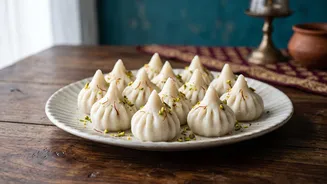
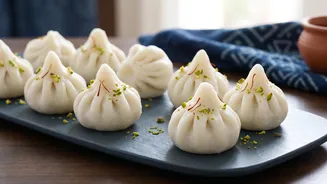
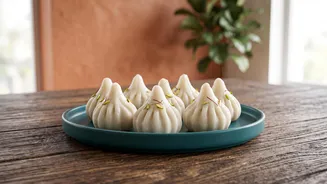
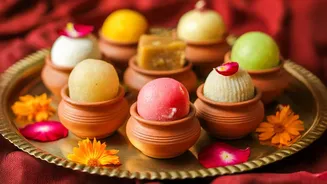
In Mumbai, the epicentre of Ganeshotsav, Visarjan is an unparalleled sensory experience. As colossal processions for idols like Lalbaugcha Raja snake their way towards immersion points like Girgaon Chowpatty, the streets transform into a massive, open-air food hall. The air is thick with the aroma of street food, an essential part of the night's proceedings for the millions who line the streets. Classic Mumbai snacks become fuel for the faithful. Vada pav stalls do brisk business, serving the hot, spicy potato fritters that are a city staple. But the culinary star remains the modak, Lord Ganesha’s favourite sweet. Traditionally a steamed rice-flour dumpling with a coconut and jaggery filling, countless variations are now available, from fried versions to those made with mawa. These food stalls are not just incidental; they are an integrated part of the celebration, offering sustenance and another reason for communities to gather.
Pune’s Blend of Tradition and Taste
Pune, where the public festival first took root, maintains a deep connection to its historical traditions with its revered 'Manache Ganpati' (the five honoured idols). The city's Visarjan is famous for its disciplined yet energetic dhol-tasha percussion groups that lead the processions. Here too, food is an inseparable part of the pandal-hopping experience. The lanes of the old city, already packed with devotees, are lined with vendors offering everything from classic Maharashtrian snacks to innovative treats. One vendor on FC Road even gained fame for creating an idol made entirely of pani puris, highlighting the playful integration of food and faith. Local food guides and tours now specifically cater to the Ganeshotsav crowd, mapping out routes that connect the most revered pandals with the best nearby vegetarian eateries and street food stalls.
Southern Spectacle in Hyderabad
The fervour is just as palpable in Hyderabad, where the festival is known as Vinayaka Chavithi and the immersion is called Nimajjanam. The city is famous for the colossal Khairatabad Ganesh idol, which draws massive crowds throughout the festival. The final immersion procession at Hussain Sagar lake is a gigantic event, with thousands of idols converging in a spectacular display of devotion. The atmosphere around Tank Bund becomes a carnival of activity. The streets are alive with families and groups of friends, and local food vendors cater to the throngs of people who stay out late into the night to witness the grand farewell. From local chaat to sweet treats, the celebratory mood ensures that faith is accompanied by a feast, creating a shared public experience that defines the city's celebration.
A Modern Union of Community and Culture
This seamless blending of food with a religious ceremony speaks to a larger trend in modern India. Festivals are becoming platforms for wider cultural expression. For many, especially younger generations, sharing a meal with friends while participating in a procession is as much a part of the tradition as the prayers themselves. The rise of street food culture and the entrepreneurial spirit of local vendors have met this demand, creating a vibrant ecosystem around the festival. As authorities in cities like Mumbai implement food safety protocols for prasad and stall-holders, it signals an official acknowledgement of food's central role in the modern Ganeshotsav. The result is a richer, more inclusive celebration where devotion is expressed not just through prayer, but through the shared, joyful experience of community, culture, and cuisine.