



Why Venus Shines So Brightly
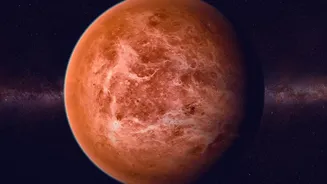
This August, Venus is impossible to miss. It will be shining brilliantly in the western sky shortly after sunset, appearing as a steady, silvery point of light that outshines everything except the Moon. Its brightness is due to its thick, reflective cloud
cover and its relative closeness to Earth. During this period, Venus is at what astronomers call its greatest elongation, meaning it appears at its farthest distance from the Sun in our sky, making it visible for a longer duration after twilight. You don't need a telescope to see it; its powerful glow is easily visible to the naked eye. Unlike twinkling stars, Venus shines with a constant, unwavering light because it's a planet.
Your Step-by-Step Viewing Guide
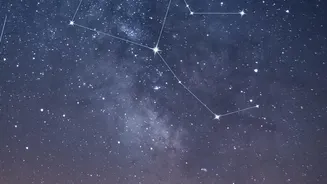
Spotting Venus is simple. Begin looking about 20-30 minutes after sunset. Face the direction where the sun went down, which is to the west. As the twilight deepens, Venus will emerge as the first and brightest 'star'. On August 15th, it will be at its peak distance from the sunset, making it especially prominent. For an extra treat around that date, you might spot a thin crescent Moon nearby. Through the rest of August, you can watch Venus as it appears to move closer to the bright star Spica, the brightest star in the constellation Virgo, with the two celestial bodies heading for a close conjunction in early September.
Navigating the Monsoon Challenge
August is the heart of the monsoon season for most of India, which can mean frustrating cloud cover. This is the biggest hurdle for any skywatcher. However, patience is key. Keep an eye on local weather forecasts for breaks in the clouds. Often, the sky clears up for a few hours just after a spell of rain, which can lead to exceptionally clear viewing conditions as the dust is washed from the atmosphere. Be ready to seize these moments of clarity. For those in rain-shadow regions like Ladakh, Spiti Valley, or parts of the Thar Desert, the skies are likely to be much clearer.
Essential Tools for the Urban Stargazer
While you only need your eyes to see Venus, a few simple tools can enhance the experience. A good pair of binoculars will reveal Venus's phase, showing it as a tiny crescent rather than a point of light. This is a fascinating sight, proving that it is a world orbiting the Sun just like Earth. To help you identify other objects, consider downloading a stargazing app. Popular free apps in India like Stellarium, Star Walk 2, and Google Sky Map use your phone’s location to show you a real-time map of the sky. Just point your phone upwards, and the app will identify stars, constellations, and planets for you.
Beyond Venus: Other August Highlights
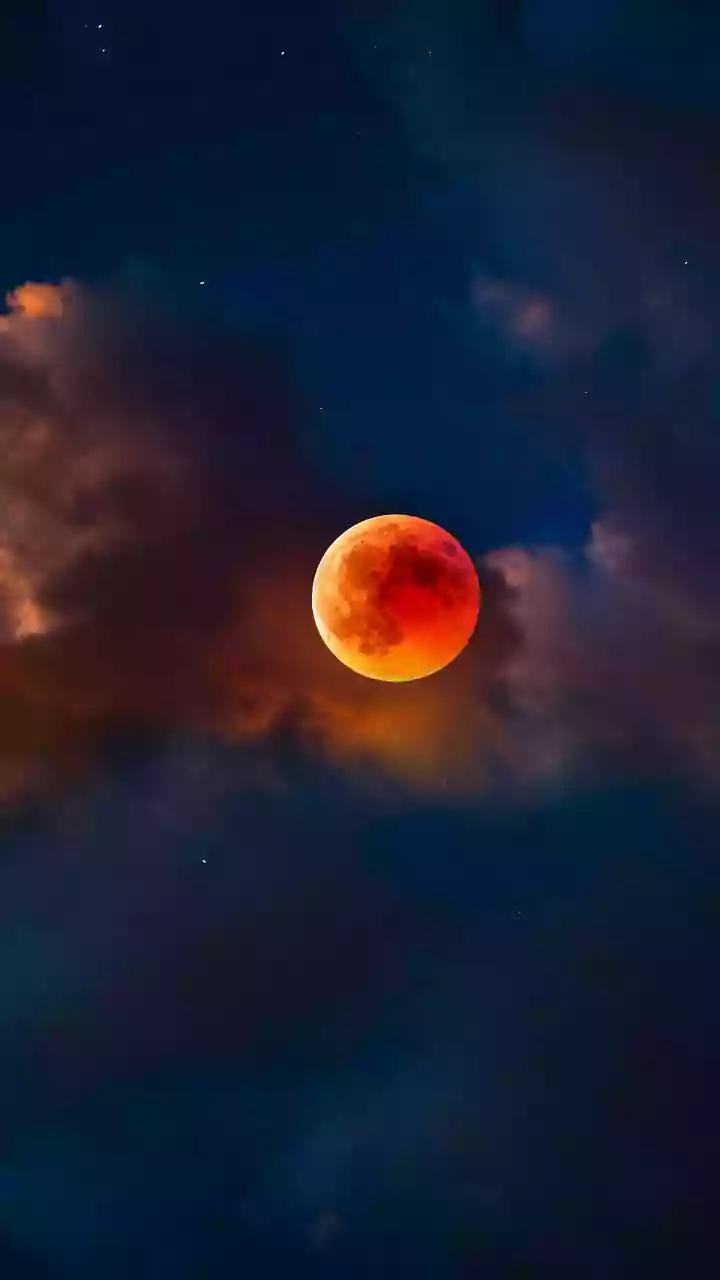
While Venus is the main attraction, August 2026 has other celestial events. The famous Perseid meteor shower, active from mid-July to late August, peaked around August 12-13. While the peak has passed, you might still catch a few stray 'shooting stars' in the late evening if you are in a dark location. Additionally, a partial lunar eclipse will occur on August 28th, where part of the Moon will darken as it passes through Earth's shadow. Keep an eye out for this event, which is perfectly safe to watch with the naked eye.
Finding Your Dark Sky Spot
To truly appreciate the night sky, you need to escape the light pollution of the cities. Even a short drive away from the city centre can make a huge difference. High-altitude locations are often best, which is why places like Ladakh, Spiti Valley, Narkanda, and hill stations in the Western Ghats like Coorg are considered prime stargazing spots. But you don't have to travel that far. Any local park, beach, or rural area with an unobstructed view of the horizon will provide a better experience than a brightly lit urban neighbourhood. The key is to find a spot where your eyes can adapt to the darkness, a process that usually takes about 20-30 minutes.