



What is Texture Planning?
Texture planning is the simple act of consciously thinking about the mouthfeel of your food. While we often focus on flavour—balancing salt, fat, acid, and heat—texture is the unsung hero of a satisfying meal. It’s the physical sensation of eating: the crispness
of a fresh vegetable, the creaminess of a sauce, or the chewiness of perfectly cooked grains. When reheating leftovers, which can often become texturally one-note (soft, mushy, or dry), adding a contrasting texture can make the dish feel exciting and new again. It's less about reinventing the wheel and more about giving it a much-needed spin.
Why Contrast is King
Our brains are wired to appreciate variety. A meal that is entirely soft can feel boring, while a meal that is entirely crunchy can feel harsh. The magic happens in the contrast. That satisfying snap of a potato chip or the crisp bite of an apple signals freshness and quality to our brains. When you add a crunchy element to a soft, reheated dish like dal or a vegetable curry, you are creating a more dynamic eating experience. Each bite offers something different, preventing palate fatigue and making the meal more engaging and enjoyable. It’s a sensory trick that turns a reheated meal from a simple necessity into a thoughtful, intentional dish.
The Easiest Upgrade: Add a Crunch
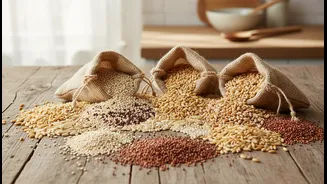
The simplest way to start texture planning is by adding something crunchy. This single step can instantly elevate a meal. Leftover sabzi or a bowl of soup can be transformed with a sprinkle of the right topping. Pantry staples are your best friend here. Think toasted nuts and seeds like almonds, peanuts, or sunflower seeds, which add a nutty depth. Toasted breadcrumbs, perhaps sizzled in a pan with a little oil and garlic, provide a savoury crunch that’s perfect for pasta bakes or creamy vegetable dishes. Even something as simple as a handful of sev, bhujia, or crushed papad can add that crucial textural contrast to Indian leftovers like dal-rice or khichdi.
Embrace the Creamy Counterpoint
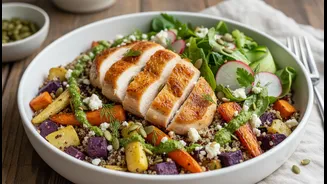
While crunch is crucial, don't forget its opposite: creaminess. A smooth, rich element can balance out sharper textures and flavours, adding a sense of comfort and indulgence. A dollop of thick yogurt or raita can cool down a spicy curry while adding a luscious, smooth texture. A swirl of tahini or a few slices of avocado can bring richness to a simple grain bowl made from leftover rice and vegetables. Even a soft-boiled egg with its jammy yolk can introduce a creamy element that ties a dish together. The goal is to layer textures, creating a meal that feels complete and well-rounded.
Don't Forget Freshness and Temperature
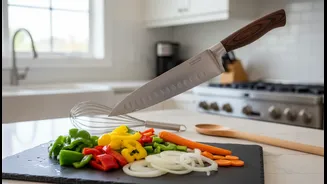
Texture isn’t just about crunchy or creamy; fresh elements play a vital role. Finely chopped raw onions, fresh coriander, or a squeeze of lemon juice can liven up a reheated dish with their crisp texture and bright flavour. A simple kachumber salad (diced onion, tomato, and cucumber) offers a refreshing, crunchy counterpoint to a warm, soft main course. Temperature can also create textural interest. Think of a warm brownie with cold ice cream—the contrast is delightful. The same principle applies to leftovers. A cool, crisp salad served alongside a reheated sabzi, or a cold yogurt-based dip paired with a warm kebab, creates a more interesting and intentional meal.