






The Forest and The Fruit
The Karauli Dang forest, stretching across a resource-scarce part of Rajasthan, is a landscape of stark beauty. Characterised by degraded ravines and an arid climate, it seems an unlikely place for a bountiful harvest. Yet, this is the natural habitat
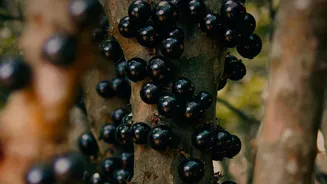
of the 'ber' tree (Ziziphus mauritiana). Known as the Indian jujube, this hardy plant is perfectly adapted to survive extreme heat and dry conditions. Its fruit, the beri, is a small, round powerhouse of nutrition. Often called the 'poor man's fruit', it is rich in Vitamin C, A, and B-complex vitamins, making it a crucial dietary supplement for local populations. When winter arrives, the thorny branches of the ber trees become laden with these glossy fruits, turning from green to a reddish-brown as they ripen and signalling the start of a vital local tradition.
Generations of Harvesting Wisdom
The gathering of wild beri is far from a simple act of collection; it is a practice shaped by a deep well of traditional ecological knowledge. This wisdom, passed down through generations primarily among the Meena and Gurjar tribal communities that inhabit the region, dictates the entire process. Harvesters, predominantly women, possess an intricate understanding of the forest. They know how to identify the trees that will yield the sweetest fruit and can discern the precise moment of peak ripeness simply by the berry's colour and firmness. This knowledge ensures a high-quality collection and prevents the wastage of unripe fruit. The methods used are inherently sustainable, designed to protect the trees for future seasons. Rather than breaking branches, collectors use long sticks to gently shake the ripe berries loose, gathering them on cloths spread below. This technique, a cornerstone of non-timber forest produce (NTFP) harvesting, ensures the long-term health of the forest.
A Seasonal Lifeline
For many families in the economically deprived Dang region, the beri harvest is a critical source of seasonal income. Agriculture here is often precarious due to water shortages, making non-timber forest products an essential economic buffer. The collection and sale of beri provide a much-needed cash flow during the winter months. The process is a community affair, with families often working together. Once gathered, the berries are meticulously sorted. The best ones are sold fresh in local markets, while others may be dried for later use or processed into pickles and candies. This income, often managed by the women who lead the harvest, is vital for household expenses, from buying essentials to funding children's education. It represents a form of self-reliance rooted directly in the health of the surrounding ecosystem.
Tradition in a Changing World
Despite its resilience, this age-old tradition faces modern pressures. The allure of urban jobs means younger generations are sometimes less engaged in learning the ancestral knowledge of the forest. Market dynamics can also create challenges, with pressure for commercial-scale collection potentially leading to less sustainable practices if not managed carefully. Climate change, which has already impacted other desert crops like Ker and Sangri in Rajasthan, poses a looming threat to the predictable cycles the beri harvest depends on. However, there is a growing recognition of the value of this traditional knowledge. Conservationists and community leaders see these practices not as relics of the past, but as a blueprint for sustainable resource management. Protecting the tradition of beri gathering is also about preserving the biodiversity of the Karauli forest itself. Many of these areas are part of sacred groves, protected by local communities for their cultural and spiritual significance.