


The Comfort of Categories
The North-South divide in Indian restaurant menus is not an accident; it’s a product of history and commerce. For decades, it served as a simple entry point for diners. North Indian cuisine, with its rich, creamy gravies, tandoori-cooked meats, and wheat-based
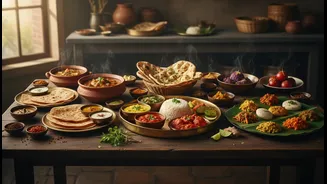
breads like naan and roti, became synonymous with celebratory meals. This version of Indian food, heavily influenced by Mughal, Punjabi, and Delhi-style cooking, was easy to package and market both in India and abroad. On the other side, South Indian cuisine offered a lighter, spicier contrast. Known for its rice-based dishes like dosa and idli, tangy tamarind flavours, and the liberal use of coconut and curry leaves, it carved out a distinct identity, especially for breakfast and lighter meals. This simplification made business sense, creating recognizable brands out of butter chicken and masala dosa. It gave diners clear expectations, but it also painted an incomplete picture.
What We Miss in the Middle
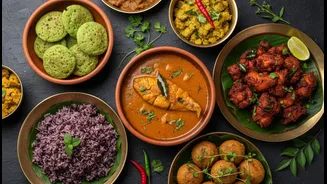
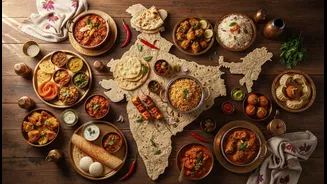
The truth is, India’s culinary map is not a simple two-party system. It's a vibrant, multi-party democracy of flavours. By sticking to North and South, we overlook entire universes of taste. Consider Malvani cuisine from the Konkan coast of Maharashtra. It is a beautiful fusion of Maharashtrian and Goan influences, celebrated for its spicy seafood curries that use fresh coconut and a unique blend of spices called Malvani masala. Or travel to Gujarat and discover Kathiawadi food, a robust, spicy vegetarian tradition shaped by its arid climate. It uses potatoes, bajri, and a generous amount of ghee and chillies to create dishes that are both fiery and deeply satisfying. And what about the complex, subtle flavours from the Northeast, like the use of bamboo shoots and fermented ingredients in Bodo cuisine from Assam, or the earthy, nutritious dishes from the Kumaon region of Uttarakhand? These are not just footnotes; they are entire culinary chapters that the North-South narrative leaves unread.
Even the Labels Are a Lie
Perhaps the greatest flaw of the North-South label is that it flattens the diversity even within those broad regions. “North Indian” on a menu could mean anything from the delicate, aromatic cooking of Awadh in Lucknow to the rustic, hearty food of Rajasthan. Likewise, “South Indian” is a wildly insufficient umbrella. The fiery Chettinad cuisine from Tamil Nadu, known for its complex spice blends, has little in common with the subtle, coconut-rich stews of Kerala. Karnataka alone contains a multitude of distinct food traditions, from coastal Mangalorean seafood to the unique flavours of Kodava (Coorgi) cuisine. By grouping them all together, we lose the nuance and specific cultural identity that makes each one special. It reduces a spectrum of flavours to just two primary colours.
A New Culinary Compass
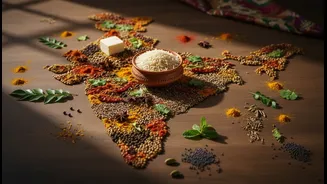
Thankfully, a change is underway. A new generation of chefs and restaurateurs is moving beyond generic labels and championing what some call 'hyper-regional' Indian food. Restaurants are now proudly advertising their specialisation in Keralan, Bengali, or even hyper-local traditions like Telangana's cuisine. This shift is driven by a growing curiosity among diners and a desire for authenticity. Chefs are digging into family recipes and reviving forgotten dishes, creating menus that tell a specific story about a place and its people. This movement is not just about new restaurants; it's about a new way of thinking, where 'Indian food' is understood not as a monolith, but as a mosaic of countless, equally important culinary traditions.