


The Great Millet Comeback
For generations, grains like ragi (finger millet), jowar (sorghum), and bajra (pearl millet) were staples across India. Packed with fibre, protein, and essential minerals like calcium and iron, they are naturally gluten-free and have a lower glycemic
index than refined wheat or rice. After falling out of favour for a few decades, a renewed focus on health and wellness, amplified by global initiatives like the International Year of Millets, has brought them back into the spotlight. Today, urban Indians are rediscovering these 'heritage grains', not just for their health benefits but for their unique, earthy flavours. This revival isn't just about nostalgia; it's about making traditional foods work for a modern lifestyle.
From Stone Grinders to Smart Mills
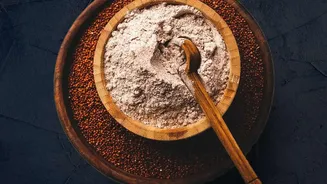
The biggest barrier to adopting millets has often been convenience. Traditionally, turning these hard grains into fine flour was a laborious process, involving stone grinders or trips to a local flour mill (chakki). While effective, these methods are not always practical for a fast-paced urban life. Freshly ground flour is always superior in taste and nutrition, but who has the time? This is where modern kitchen technology steps in, bridging the gap between the desire for healthy, traditional ingredients and the need for speed and convenience. The ability to make fresh, preservative-free millet flour at home, in minutes, has been a game-changer.
The Technology That Makes It Possible
A new generation of kitchen appliances is empowering home cooks to become home millers. High-speed blenders and grinders, once used only for spices or wet masalas, now come with powerful motors (often 1000W or higher) and durable stainless-steel blades capable of pulverizing hard grains into fine powder. Some stand mixers now offer grain mill attachments that connect to the mixer's motor hub, providing a dedicated milling function without needing a separate appliance. For those who are serious about home milling, compact electric grain mills are also available. These devices can handle various grains like jowar, bajra, and ragi, turning them into flour with an adjustable texture—from coarse for porridge to super-fine for baking—in under a minute.
Reimagining Our Favourite Snacks
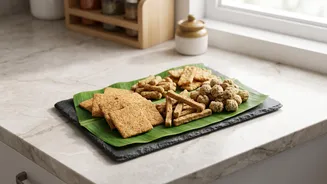
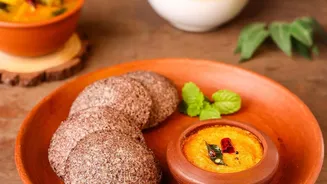
With fresh millet flour readily available, the possibilities for everyday snacks are endless. This isn't about replacing beloved treats but reinventing them with a healthier twist. Classic snacks are getting a millet makeover: crispy, baked chaklis and mathris made with jowar or bajra flour offer a gluten-free alternative to those made with maida. In South India, traditional rice-based dosas and idlis are being made with ragi or foxtail millet flour, adding a nutty flavour and a boost of nutrients. Even sweet treats like laddus and cookies are being reimagined with millet flour, offering a guilt-free way to indulge your sweet tooth. The flour's versatility means it can be used for everything from flatbreads and pancakes to baked goods, making healthy snacking accessible and delicious.
A Quick Guide to Common Millets
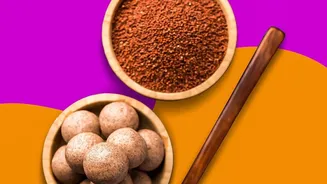
Thinking of starting your millet journey? Here’s a simple primer. Jowar (Sorghum) has a mild, neutral flavour, making it a great starting point for rotis and bhakris. Ragi (Finger Millet) is a calcium powerhouse with a distinct earthy taste and deep colour, perfect for dosas, porridge, and baked goods. Bajra (Pearl Millet) has a bolder, nuttier flavour and is rich in iron and magnesium; it's traditionally used for flatbreads, especially in winter. Each offers a unique nutritional profile and taste, inviting experimentation in the kitchen.