

The New Urban Neighbours
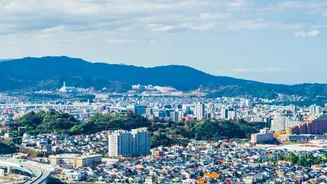
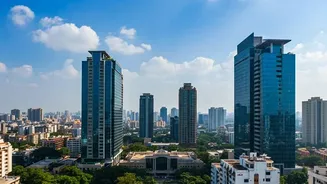
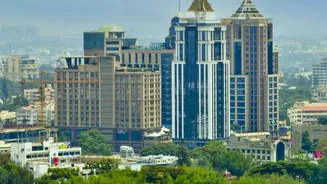
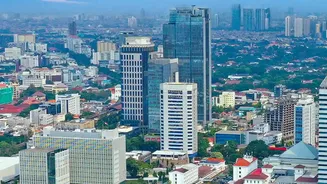
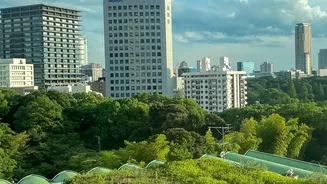
When we imagine wildlife, we often picture remote forests and grasslands. But for many species today, home is a landscape of concrete, steel, and glass. The rapid expansion of Indian cities is the primary driver behind this shift. As forests and natural
spaces shrink, animals are pushed into urban and semi-urban areas in search of the two things essential for survival: food and shelter. Cities, with their overflowing garbage bins, accessible food at religious sites, and garden vegetation, offer a predictable, high-calorie buffet. This abundance of resources, combined with a relative lack of natural predators, makes the urban jungle an unexpectedly attractive proposition for adaptable species.
Masters of Adaptation: Mumbai's Leopards
Perhaps no animal exemplifies urban adaptation in India more than the leopards of Mumbai. In one of the world's most densely populated cities, a significant population of these elusive big cats thrives within city limits, primarily in and around Sanjay Gandhi National Park. These leopards have shown extraordinary behavioural flexibility. They've become largely nocturnal to avoid human activity, using overgrown drains and railway lines as stealthy highways to navigate the sprawling metropolis. Their diet has also shifted; instead of solely relying on traditional prey, they frequently hunt stray dogs and pigs found near garbage dumps, a testament to their ability to exploit urban resources. This coexistence, while remarkable, is also a fragile balance that highlights the thinning line between wilderness and city life.
Clever and Capable: The Rhesus Macaques
Rhesus macaques are another highly visible example of urban adaptation across India. Considered one of the most adaptable primate species besides humans, they have become a common sight in cities like Delhi and Mathura. Their intelligence allows them to thrive in human-dominated environments, but this adaptation is a double-edged sword. Studies show that their natural behaviours, like foraging, are altered by the easy availability of human-provided food, either from deliberate feeding or poorly managed waste. In places with high tourist traffic, macaques have been observed snatching food, begging, and even bartering objects. This dependency creates a cycle of conflict, turning a story of adaptation into a complex management challenge for urban authorities.
Evolution in the Fast Lane
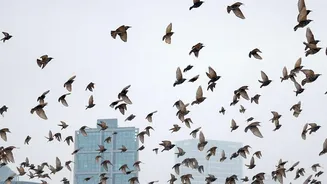
This adaptation isn't just about animals learning new tricks; it's about evolution happening right before our eyes. Scientists call it 'human-induced rapid evolutionary change'. The unique pressures of city life can drive genetic changes in animal populations over relatively short timescales. While a leopard learning to hunt stray dogs is a behavioural shift, other changes can be hardwired. For instance, some urban birds have evolved to sing at a higher pitch to be heard over traffic noise, while others may develop shorter wings to navigate tight spaces between buildings. In some cities, rodents have shown evolutionary changes in their skulls and teeth, possibly to better cope with a diet of human leftovers. Our cities are acting as powerful engines of natural selection.
The Challenge of Coexistence
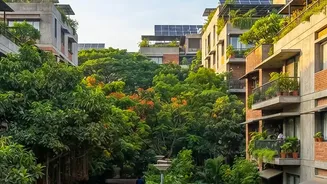
The story of urban wildlife is not without tension. As animals and humans share increasingly crowded spaces, conflict is inevitable. Encounters can lead to property damage, livestock loss, and, in tragic cases, human and animal casualties. For animals, the city is filled with novel dangers, from vehicle collisions to electrocution and poisoning. The core issue stems from habitat loss and unplanned urban sprawl that fragments ecosystems. Experts argue that the solution lies not in removing animals, but in smarter urban planning. This includes better waste management to reduce artificial food sources, public education to foster tolerance, and the creation of green corridors—strips of natural habitat that connect larger green spaces, allowing wildlife to move safely.