
Establish Your Culinary Anchor
Before you choose a single dish, decide on a theme or an anchor for your meal. This provides a clear direction and prevents the menu from feeling chaotic. You could focus on a specific region, like a coastal theme with Goan and Keralite specialities,
or a theme based on a cooking style, such as a 'tandoori festival' with various grilled meats and vegetables. Another approach is to select one or two main dishes first. A rich, memorable curry like a Lamb Rogan Josh or a creamy Paneer Makhani can serve as the centrepiece around which you build lighter, complementary dishes. This framework keeps the menu focused and makes it easier to manage substitutions for dietary needs.
Achieve a Balance of Flavours
A great Indian meal is a masterclass in balance, playing with six key tastes: sweet, sour, salty, bitter, pungent, and astringent. Aim for variety across the table rather than trying to pack every flavour into one dish. If your main course is a rich and heavy curry, pair it with a sharp, tangy chutney, a cooling raita, and simple steamed rice to cleanse the palate. The goal is to create a menu where the different flavours support each other instead of competing for attention. This contrast prevents 'flavour fatigue' and keeps every bite interesting and satisfying for your guests.
Incorporate a Variety of Textures
Texture is just as important as flavour in creating a dynamic dining experience. A well-planned menu should offer a symphony of textures. Think about pairing a creamy dal with a 'dry' vegetable stir-fry (sabzi). Introduce crunch with crispy starters like samosas or pakoras, or by adding fried papads as an accompaniment. The softness of a freshly made roti or naan contrasts beautifully with the bite of a fresh kachumber salad. This interplay of 'wet' and 'dry', soft and crunchy, makes the meal more engaging and enjoyable, ensuring no two dishes feel the same on the palate.
Weave in Regional Classics
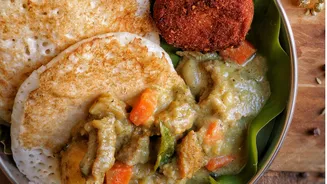
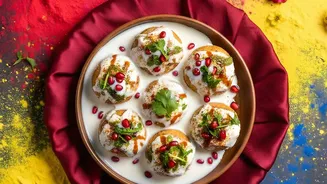
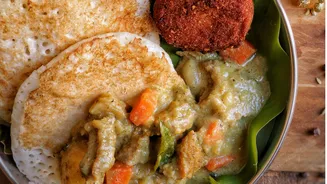
The true strength of Indian cuisine lies in its vast regional diversity. A festive menu is the perfect canvas to celebrate this. Instead of sticking to one region, pick and choose classics from across the country. Start with vibrant street-food style appetizers like Pani Puri or Bhel Puri, which are designed for sharing and instantly create a festive mood. For the main course, you could pair a North Indian classic like Butter Chicken with a South Indian vegetable stew like Avial. This not only introduces your guests to new flavours but also tells a story of India's rich culinary landscape. Don't be afraid to showcase dishes that are rarely seen on typical restaurant menus; it makes the occasion feel truly special.
Complete the Meal with Accompaniments
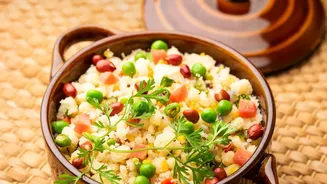
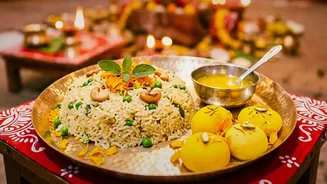
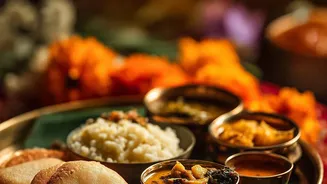
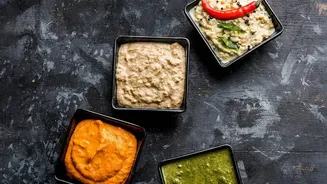
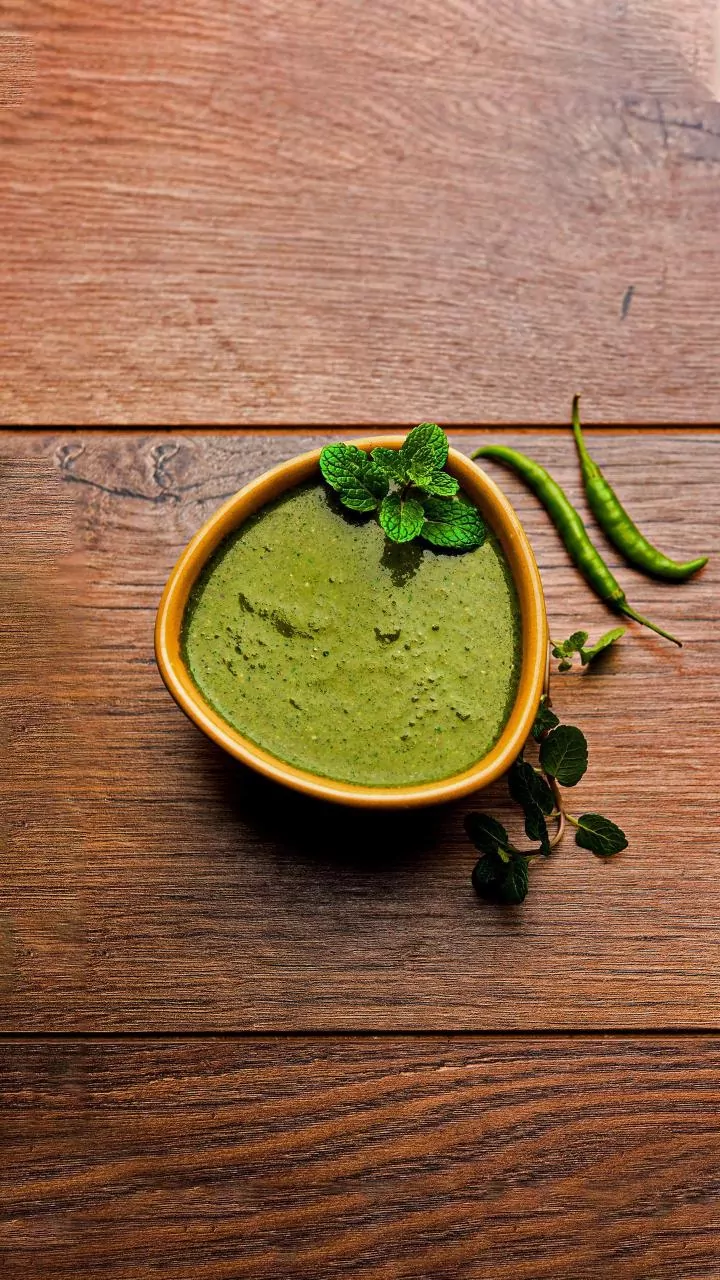
Accompaniments are not mere afterthoughts; they are essential for tying the meal together. A selection of chutneys—such as a spicy mint, a sweet tamarind, and a cooling yogurt-based dip—can elevate even the simplest dishes. Pickles (achaar) add a pungent, spicy kick that cuts through rich flavours. Different types of bread, from simple chapatis to indulgent parathas, and fragrant rice dishes like a vegetable pulao or plain basmati are crucial for soaking up delicious gravies. These elements complete the thali, offering guests a way to customize each bite to their liking.
End with a Modern Mithai Twist
While traditional sweets will always have their place, ending the meal with a modern or fusion dessert can be a delightful surprise. This is a great way to add a layer of novelty to your festive spread. Consider desserts that blend Indian flavours with Western techniques, like a Gulab Jamun Cheesecake, Rasmalai Cake, or Saffron and Pistachio Cupcakes. Alternatively, you could serve a classic dessert like kulfi in an inventive way, such as a Kulfi Affogato. These unique sweets provide a memorable finish and offer something for every palate, from the traditionalist to the adventurous eater.