



A New Cosmic Canvas
We are living in a revolutionary era of astronomy, thanks largely to observatories like the James Webb Space Telescope (JWST) and the ESA's Euclid mission. These powerful tools are capturing the universe in unprecedented detail, but it’s how they see
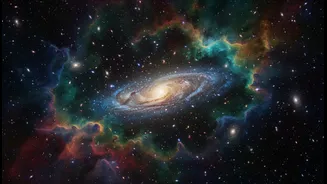
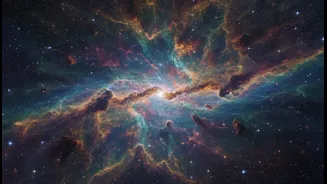
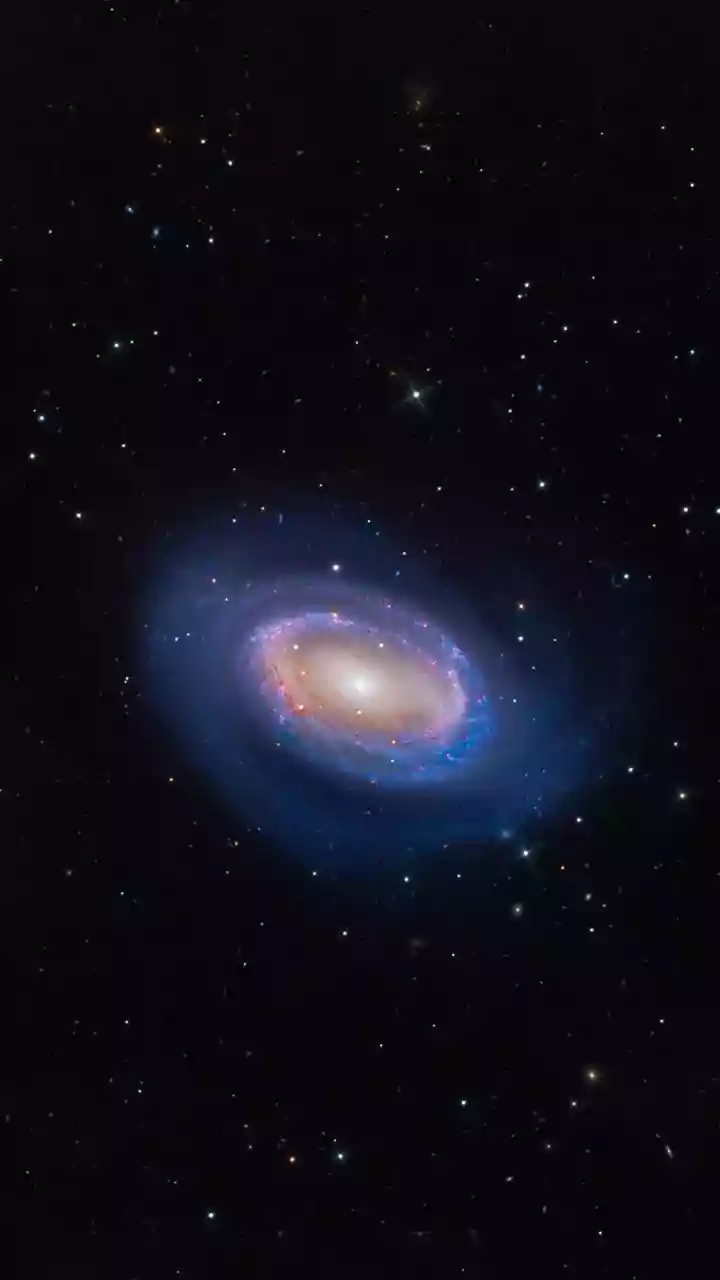
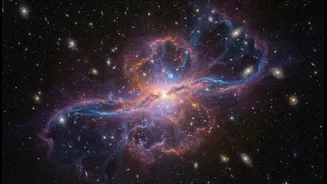
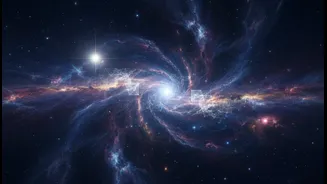
that truly changes the game. They operate primarily in infrared light, which is invisible to the human eye. This allows them to peer through cosmic dust clouds that obscure the view of traditional telescopes, revealing the hidden processes of star birth and galaxy formation. To make this data visible, scientists and artists work together in a process called data sonification and visualization. They assign colours to different infrared wavelengths, turning complex datasets into the stunning, vibrant images that captivate the public. What we see as a beautiful nebula is, in fact, a rich map of scientific information made intuitive and emotionally resonant.
Galaxy Unmasked, Star by Star
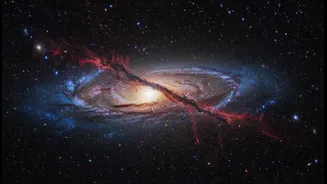
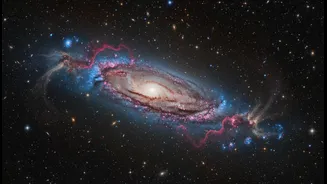
A perfect example of this is the new imagery of Centaurus A, released to mark the fourth anniversary of the Webb telescope's science operations. In visible light, this galaxy is obscured by dark lanes of dust. But Webb's infrared vision cuts right through, unveiling a mesmerising tapestry of millions of individual stars. What previously looked like a blurry patch is now resolved into a dense field of stellar points, allowing astronomers to perform what they call 'galactic archaeology'. By studying these individual stars, they can reconstruct the galaxy's violent history, including a major collision with another galaxy billions of years ago. This ability to transform a mysterious smudge in the sky into a detailed historical record, presented in a visually stunning format, is key to making the science feel less abstract and more like a story we can follow.
The Science Behind the Spectacle
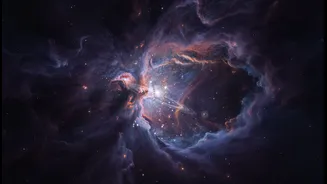
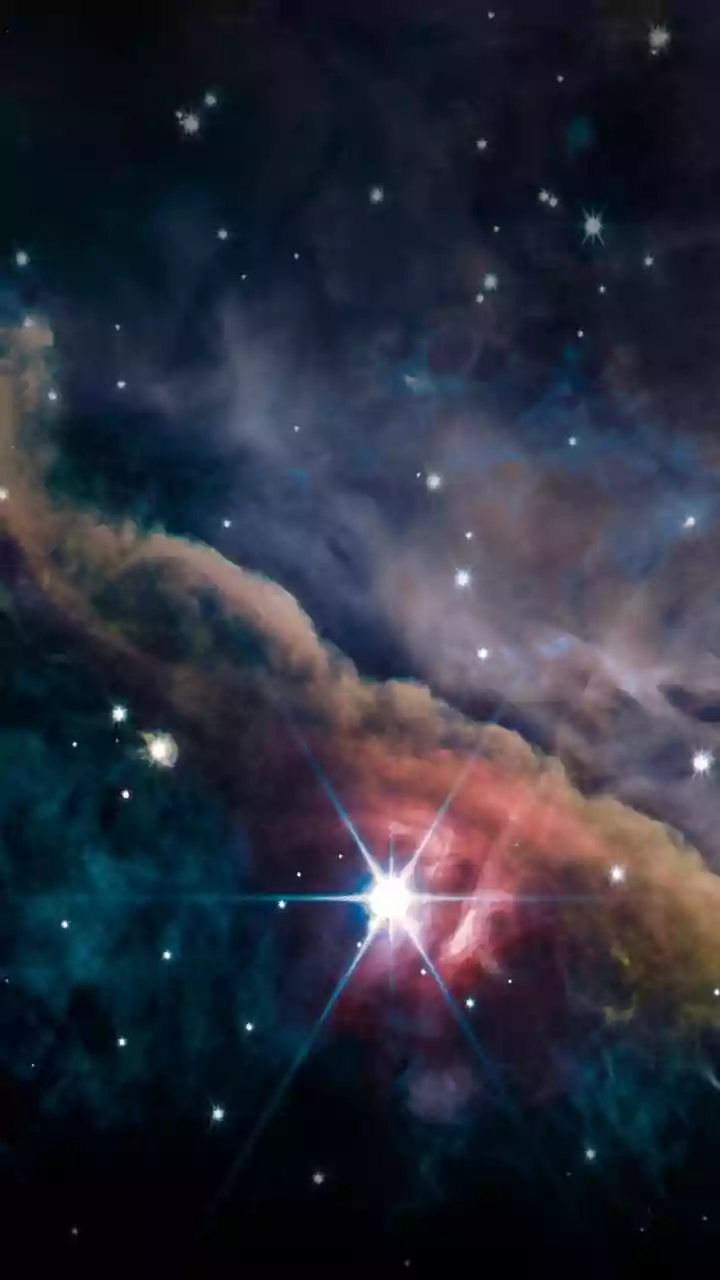
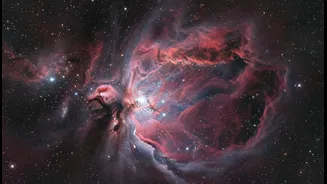
These images do more than just document the past; they reveal active, dynamic processes. Recent visuals from star-forming regions like FS Tau and the Orion Molecular Clouds showcase every stage of a star's life. Here, the colours are not arbitrary. For example, in images from the Hubble Space Telescope, glowing crimson often represents energized hydrogen gas, a tell-tale sign that new stars are being born. The brilliant blues indicate intensely hot, massive young stars. By translating specific elements and temperatures into a consistent colour palette, these visuals provide a key for us to read the image. We can learn to spot the signs of a stellar nursery or the jets of material being blasted out by a protostar, all while admiring a scene that looks like cosmic fireworks. This approach turns a complex astrophysical process into a visual lesson that is both beautiful and informative.
More Than Just a Pretty Picture
Ultimately, the goal of these releases goes beyond scientific research. They are a powerful tool for public engagement and education. By presenting the universe's grandeur in a way that is immediately awe-inspiring, NASA and ESA are lowering the barrier to entry for anyone curious about space. You don't need a degree in astrophysics to appreciate the intricate dust structures in Centaurus A or the stellar fireworks in a nebula. These images spark curiosity, inviting questions and encouraging people to learn more. They provide a shared sense of wonder and perspective, reminding us of our place in a vast and intricate cosmos. For astronauts who have seen Earth from orbit, this perspective is profound. They often speak of the planet's fragile, thin blue atmosphere and the interconnectedness of everything below. These cosmic images offer a similar opportunity for the rest of us, fostering a connection to science and the universe that is both intellectual and deeply personal.