






The Clear Economic Advantage
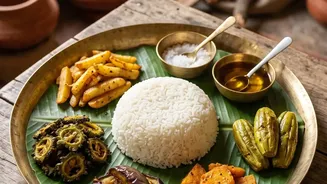
Let's start with the most obvious benefit: cost. Plant-based proteins are significantly more budget-friendly than their meat counterparts. While the cost of preparing a vegetarian thali at home has risen, it remains substantially cheaper than a non-vegetarian
one. According to recent data from September 2026, a home-cooked non-vegetarian thali costs nearly double the price of a vegetarian one. Ingredients like lentils (dal), chickpeas (chana), and beans are not only affordable but also have a long shelf life, reducing waste. A kilogram of dal can provide numerous meals, offering far more value than the equivalent cost in chicken or mutton. Building a pantry with these staples—along with rice, flour, and essential spices—creates a foundation for countless low-cost, high-protein meals that can weather any grocery budget storm.
Nutrition Without the High Cost
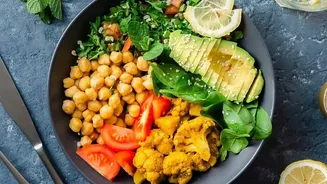
Eating on a budget should not mean compromising on health. Simple vegetarian food is a nutritional powerhouse. Legumes, a cornerstone of Indian vegetarian cooking, are packed with protein, fiber, and essential nutrients that keep you full and energized. Spices commonly used in Indian cuisine, such as turmeric, ginger, and cumin, are celebrated for their anti-inflammatory and digestive benefits. Unlike many processed foods that are high in hidden sugars, fats, and sodium, home-cooked vegetarian meals give you complete control over your ingredients. This ancient way of eating, centered on whole grains, vegetables, and pulses, has been shown to support overall wellness, from better gut health to a reduced risk of chronic diseases.
Fostering Creativity in the Kitchen
A limited budget doesn't have to mean boring meals. In fact, it can be a catalyst for culinary creativity. The vast landscape of Indian regional cooking is built on the principle of making something delicious out of simple, seasonal ingredients. Think of the endless variations of dal, from a simple dal tadka to a rich dal makhani. Or the variety of sabzis (vegetable dishes) that can be made with just a few spices and whatever is fresh at the market. Learning to cook this way builds invaluable life skills and confidence in the kitchen. It encourages a mindful approach to food, where the focus shifts from expensive, single-use ingredients to the versatile potential of your pantry staples. Every meal becomes an opportunity to experiment with spices and techniques, turning necessity into a delicious art form.
A Lighter Footprint on Your Wallet and the Planet
While saving money is the primary driver for many, it's worth noting the other benefits that come with embracing simpler, plant-based meals. A diet centered on vegetables, grains, and legumes has a significantly lower environmental impact than one heavy in meat and dairy. It requires less water, less land, and produces fewer greenhouse gas emissions. Furthermore, cooking at home reduces packaging waste associated with takeout and ready-to-eat meals. So, while you're taking care of your budget, you're also making a choice that is kinder to the environment. It’s a powerful reminder that our daily decisions, especially in the kitchen, can have a positive ripple effect.