







Redefining 'Strong'
For years, the image of 'strong' was singular: a heavily muscled figure lifting a massive weight. Powerlifting, with its measurable goals of squatting, benching, and deadlifting as much as possible, was the ultimate test. But for a growing number of young
adults, the definition of strength is evolving. It's less about a one-rep max and more about everyday capability. Can you sit at a desk for eight hours without your back screaming? Can you pick up a heavy suitcase without wincing? Can you play with a niece or nephew on the floor without feeling stiff? This new paradigm values functional strength and longevity, and at its core is a healthy, mobile spine.
What is 'Spinal Range' Anyway?
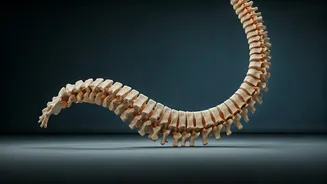
‘Spinal range’ isn’t just about being able to touch your toes. It’s about having controlled, pain-free access to your spine’s full potential for movement—flexion (bending forward), extension (arching back), rotation (twisting), and lateral flexion (bending side-to-side). This is the domain of mobility training, a discipline that blends elements of physical therapy, yoga, and calisthenics. Unlike passive stretching, mobility work actively strengthens the muscles around the joints through their entire range of motion. The goal isn't just flexibility; it's usable, stable flexibility. For many young professionals in India, whose lives are increasingly sedentary, this focus feels less like a vanity project and more like essential maintenance for a pain-free life.
The Desk Job Pandemic
The modern Indian workplace is a major driver of this trend. Countless young adults spend the bulk of their day hunched over a laptop. This chronic static posture can lead to a host of problems: tight hip flexors, weak glutes, rounded shoulders, and persistent lower back pain. Young people are realising that an hour of powerlifting, while beneficial in some ways, might not effectively counteract the damage of 10 hours of sitting. In fact, lifting heavy with poor posture and limited mobility can even exacerbate these issues. Consequently, they are turning to routines that directly address the problems of a sedentary lifestyle, prioritising movements that decompress the spine and 'un-do' the damage of the desk.
From Aesthetics to Longevity
This is also a story about a changing mindset. The fitness culture of the past was heavily skewed towards aesthetics—building a certain 'look'. While that desire hasn't vanished, it's now sharing space with a profound interest in long-term wellness. Gen Z and younger millennials are more exposed than ever to concepts of preventative health and 'bio-hacking' for a longer, healthier life. They see fitness not as a short-term project for a wedding or a beach holiday, but as a lifelong investment. In this context, building a resilient, mobile body that will serve them well into their 50s, 60s, and beyond feels far more valuable than hitting a new deadlift personal record that might put their back at risk.
So, Is Powerlifting Over?
Not at all. The headline’s 'over' signifies a shift in priority, not an erasure. Powerlifting remains an incredible way to build bone density, muscular strength, and mental fortitude. The change is that many now see mobility as the foundation upon which safe and effective strength training is built. The new philosophy isn't 'spinal range INSTEAD of powerlifting', but 'spinal range FIRST, then powerlifting'. A smart lifter understands that a mobile spine and flexible hips allow for a deeper, safer squat. They know that good shoulder mobility prevents injury during a bench press. Instead of being opposing forces, mobility and strength are now seen as two sides of the same coin, creating a more holistic and sustainable athlete.