






The Anatomy of a 'Quick Meal'
When we talk about a 'quick meal,' we're usually referring to fast food or ultra-processed foods. These are items like frozen pizzas, instant noodles, packaged snacks, and drive-thru burgers. They are engineered for speed and shelf-life, often using refined
ingredients, additives, and preservatives. While convenient, these meals are typically high in calories, sodium, unhealthy fats, and added sugars. This combination can leave you feeling tired, bloated, and irritable. A study in the American Journal of Preventive Medicine even found that people who cook more at home consume fewer calories, less sugar, and less fat overall.
The Hidden Nutritional Gap
The main issue with a diet heavy in quick meals is what it lacks. These foods are often stripped of essential nutrients during processing, leaving them full of 'empty calories'. Key micronutrients—vitamins and minerals your body needs in small but crucial amounts—are frequently missing. Diets high in fast food are often deficient in calcium, potassium, magnesium, and vitamins A, C, and E. Iron and Vitamin D are also common deficiencies in the average Western diet, which leans heavily on convenience. These nutrients are vital for everything from bone health and immune function to energy levels and mood regulation.
Why Fibre is a Non-Negotiable
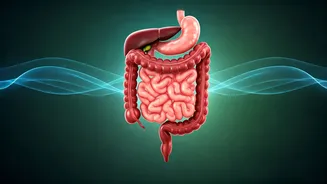
Beyond vitamins and minerals, quick meals are notoriously low in dietary fibre. Fibre is a carbohydrate the body can't digest, and it plays a massive role in our health. It aids digestion, helps you feel full longer, and prevents blood sugar spikes that lead to energy crashes. There are two types: soluble fibre (found in oats, beans, and apples) which helps lower cholesterol, and insoluble fibre (in whole grains and vegetables) which promotes regularity. A lack of fibre can lead to digestive issues, weight gain, and an unstable gut microbiome. Most adults should aim for 25-38 grams of fibre per day, a target that's difficult to hit when relying on processed options.
The Long-Term Cost of Convenience
Relying on quick meals isn't just about missing out on the good stuff; it's also about inviting the bad. A diet high in ultra-processed foods is directly linked to a higher risk of numerous health problems. Studies have shown strong associations with heart disease, type 2 diabetes, obesity, and even certain types of cancer. The high levels of sodium, unhealthy fats, and sugars can lead to high blood pressure, inflammation, and metabolic disruption. One major review found that high consumption of these foods was linked to a 50% increased risk of death from cardiovascular disease.
What Your Body Actually Craves
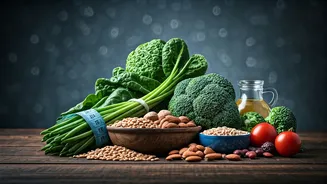
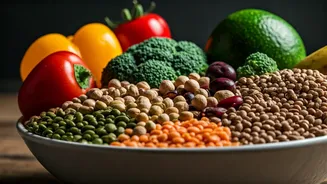
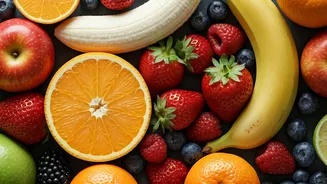
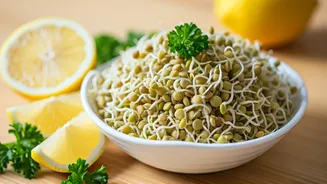
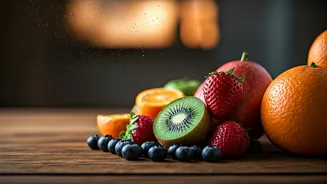
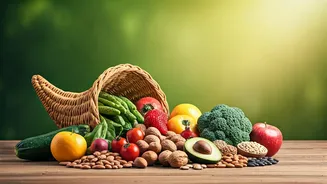
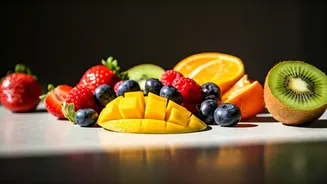
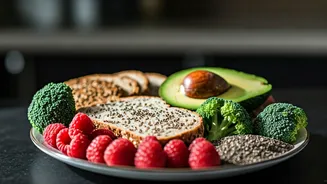
So, what's the alternative? The answer lies in whole foods—foods that are as close to their natural state as possible. Think fruits, vegetables, legumes, whole grains, nuts, and lean proteins. When you cook from scratch, you have complete control over the ingredients, allowing you to limit salt, sugar, and unhealthy fats. Home-cooked meals are naturally richer in the vitamins, minerals, and fibre your body needs to thrive. This can lead to better energy, a more stable mood, improved sleep, and a stronger immune system.
Small Steps to Wholesome Eating
Switching away from convenience doesn't have to be an overwhelming overhaul. Start small. Try prepping just one or two components for the week ahead, a practice known as 'meal prep'. On a Sunday, you could cook a batch of brown rice, roast some vegetables, or grill some chicken. Even having washed salad greens and chopped raw veggies on hand makes healthy choices easier. Another simple start is to pack leftovers from dinner for lunch the next day. The goal is to make the healthy choice the easy choice, one meal at a time.