






The Glow We're All Chasing
Exfoliation is celebrated in the beauty world for good reason. It’s a process that removes dead skin cells from the surface of your skin, which can help your complexion appear brighter and less dull. This process can be done physically, with scrubs or brushes,
or chemically, using acids like AHAs and BHAs to dissolve the bonds holding dead cells together. Done correctly, exfoliation can improve skin texture, help prevent clogged pores, and even allow your other skincare products like serums and moisturisers to penetrate more effectively. It speeds up your skin's natural cell turnover process, revealing the newer, healthier skin cells underneath. This is the promise that leads many to believe that exfoliating more frequently or more intensely will fast-track their way to a flawless complexion.
Understanding Your Skin's Protective Shield
Before we get into the 'how-to', it's crucial to understand the 'why not'. Your skin has a natural, protective outermost layer called the skin barrier, or stratum corneum. Think of it like a brick wall: the skin cells are the bricks, and lipids (like ceramides and fatty acids) are the mortar holding everything together. This barrier has two critical jobs: to keep moisture locked in, preventing dehydration, and to keep harmful environmental stressors, pollutants, and bacteria out. A healthy, intact barrier is the true foundation of smooth, hydrated, and resilient skin. When you exfoliate, you are interacting directly with this barrier. A gentle nudge can be helpful, but aggressive or frequent exfoliation is like taking a sledgehammer to that brick wall.
Signs You've Gone Too Far
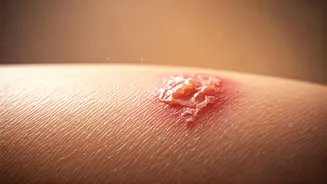
Over-exfoliation compromises your skin barrier, stripping away its protective lipids and leaving it vulnerable. The signs can often be mistaken for the very issues you were trying to solve. One of the most common signs is redness, irritation, and a burning or stinging sensation, especially when applying other products. Your skin might also feel uncomfortably tight or look unusually shiny, but not in a dewy, hydrated way—it's a taut, 'plastic-y' shine that indicates a stripped surface. Ironically, you might also experience more breakouts. Stripping the skin of its natural oils can trigger your glands to overproduce sebum to compensate, leading to clogged pores. Other telltale signs include sudden dryness, flakiness, peeling, and increased sensitivity to products you previously tolerated.
How Often Is The Right Amount?
There is no single rule for exfoliation frequency; the answer depends entirely on your skin type and the method you're using. Dermatologists generally recommend starting slowly. For those with sensitive, dry, or mature skin, once a week—or even every other week—is often sufficient. Normal or combination skin types may tolerate exfoliating two or three times a week. Oily skin, which tends to be thicker, might handle up to three times per week, but daily exfoliation is generally not recommended. It’s important to listen to your skin. If you notice any signs of irritation, it's a clear signal to reduce the frequency or switch to a gentler product.
How to Repair an Over-Exfoliated Barrier
If you suspect you've damaged your skin barrier, the first step is to stop all exfoliation immediately. This includes scrubs, acids, and retinoids. Simplify your routine down to the absolute basics: a gentle, fragrance-free cleanser, a nourishing moisturiser, and daily sunscreen. Look for products with barrier-repairing ingredients. Ceramides are crucial as they make up about 50% of the barrier's lipid 'mortar'. Hyaluronic acid is a powerful humectant that draws moisture into the skin, while ingredients like niacinamide can soothe inflammation and help restore the barrier. Be patient; it can take anywhere from a few days to several weeks for your skin to fully recover, depending on the extent of the damage.