





From Boring to Buzzworthy
For decades, fibre was the unsung hero of nutrition—essential but unexciting. It was the stuff of isabgol and bran muffins, recommended by doctors but rarely celebrated by foodies. Now, that's all changing. Walk down a supermarket aisle and you'll see
fibre proudly advertised on everything from colourful prebiotic sodas and chic snack bars to atta and even pasta. It has shed its purely medicinal image and emerged as a wellness buzzword. This isn't just a marketing gimmick; it's a reflection of a profound shift in how we think about food, health, and the intricate ecosystem living inside us.
The Gut Health Revolution
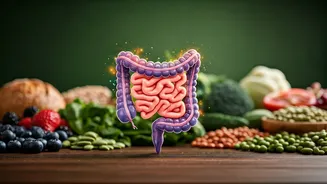
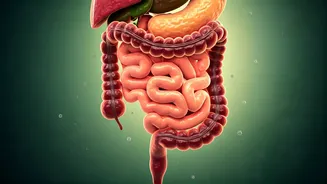
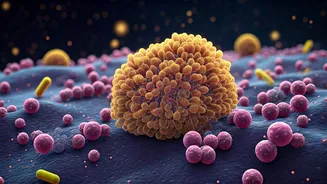
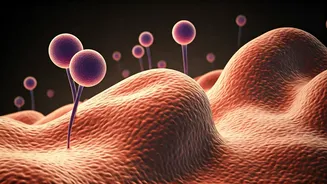
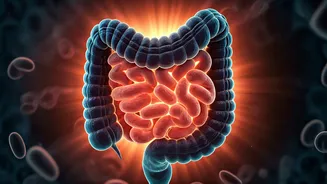
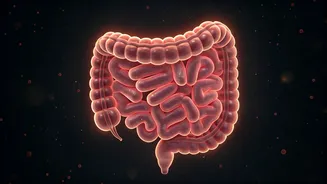
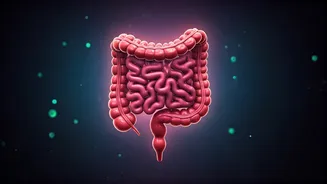
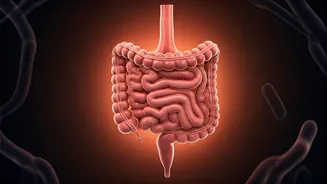
The single biggest driver behind fibre's newfound fame is the 'gut health revolution'. Over the past decade, scientific research has illuminated the importance of our gut microbiome—the trillions of bacteria and other microbes living in our digestive tract. We now understand that these tiny organisms play a massive role in everything from our digestion and immunity to our mood and mental clarity. And what do these beneficial gut bacteria love to eat? Fibre. Specifically, prebiotic fibre acts as a feast for our friendly microbes, helping them thrive and keep our internal ecosystem balanced. As public awareness of the gut-brain axis and the microbiome has grown, so has the demand for foods that support it. Fibre is no longer just about 'regularity'; it's about nurturing your inner garden for holistic well-being.
Beyond Traditional Staples
While traditional Indian diets have always been reasonably rich in fibre thanks to staples like dal, sabzi, and whole grains, the modern mainstreaming of fibre is taking a different form. The food industry has responded to consumer demand with a wave of innovative products. Think high-fibre cookies that taste indulgent, cereals packed with millets and seeds, and even 'gut-friendly' ice cream. These products are designed for convenience and modern palates, making it easier than ever for busy consumers to up their fibre intake without having to overhaul their entire diet. This new generation of fibre-rich foods proves that healthy eating doesn't have to be bland or difficult.
Not All Fibre Is Created Equal
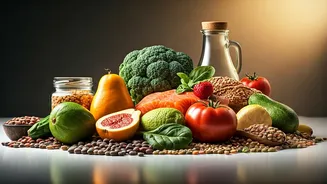
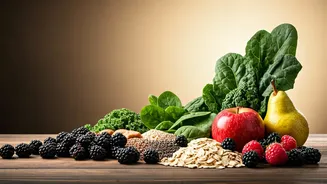
As you start noticing fibre content more, it's helpful to know there are two main types, and we need both. Think of them as a team working together. Insoluble fibre, found in whole wheat, nuts, and vegetables like cauliflower and potatoes, is the 'bulking agent'. It doesn't dissolve in water and helps move things along the digestive tract, promoting regularity. Then there's soluble fibre, found in oats, barley, apples, and legumes like beans and lentils. This type dissolves in water to form a gel-like substance. It helps lower cholesterol, stabilise blood sugar levels, and is a fantastic food source for your good gut bacteria. The best approach is to eat a wide variety of plant-based foods to ensure you're getting a healthy mix of both types.
How to Join the Fibre Fiesta
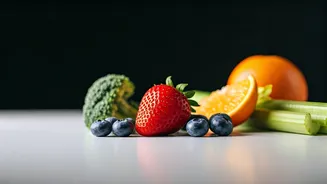
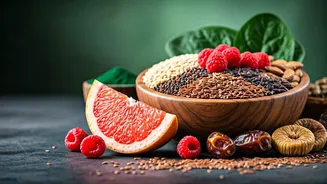
While trendy prebiotic sodas are a fun addition, you don't need expensive specialty products to boost your fibre intake. The best sources are often the simplest and most affordable. Start by making small, sustainable swaps. Switch to whole-wheat atta or multigrain bread. Incorporate more millets like jowar, bajra, and ragi into your diet. Make sure every meal includes a generous portion of vegetables. Snack on fruits, nuts, and seeds instead of processed snacks. Add a spoonful of flax or chia seeds to your curd, smoothies, or oatmeal. By focusing on whole foods first, you'll not only increase your fibre but also get a bonus of vitamins, minerals, and antioxidants that support overall health.