
Two Pilots in the Cockpit
The first and most important layer of safety is the person sitting in the other seat. Every commercial flight operates with at least two pilots: a Captain and a First Officer (often called a co-pilot). This isn't just for sharing the workload; it's a fundamental
principle of redundancy. Both individuals are fully qualified and certified to fly the aircraft from takeoff to landing. They typically share flying duties, with one acting as the 'pilot flying' and the other as the 'pilot monitoring' on alternating flight legs. This ensures both are always familiar with the aircraft's handling. The distinction between Captain and First Officer is one of ultimate authority and experience, not a difference in the core ability to operate the plane.
The Other Pilot Takes Command
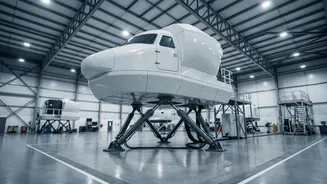
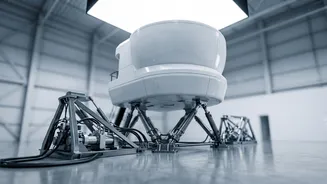
In the event one pilot becomes incapacitated—whether subtly through disorientation or obviously due to a medical event—standard procedure is clear and frequently practiced in simulators. The remaining pilot will take full and immediate control of the aircraft. Their first action is to stabilise the flight path and engage the autopilot if it's not already active. This frees them up from hands-on flying to assess the situation. The next steps involve securing the incapacitated pilot to ensure they don't interfere with the controls, and then declaring an emergency. A "Mayday" call to Air Traffic Control (ATC) alerts the ground that the flight needs priority handling and assistance. The flight will then be diverted to the nearest suitable airport for a safe landing and to get medical attention for the stricken pilot.
A Fully Capable First Officer
A common misconception is that the co-pilot is an apprentice or trainee. This is incorrect. A First Officer is a fully licensed pilot who has met rigorous training and certification standards required to fly that specific type of aircraft. In many airline hierarchies, the path to becoming a Captain involves serving as a First Officer for several years to accumulate thousands of flight hours and experience. They are trained to the same high standards as Captains for all phases of flight. In an emergency, the First Officer is completely prepared and authorised to assume the role of Pilot-in-Command, handle all communications, and execute a safe landing.
Dual Controls and Smart Technology
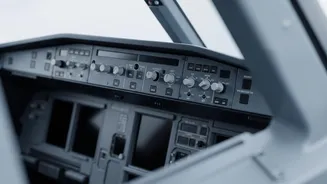
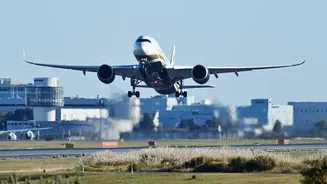
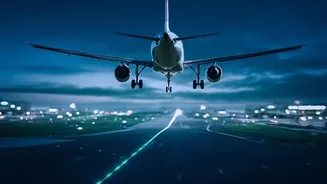
Aircraft cockpits are designed for this exact scenario. Most commercial aircraft have dual controls, meaning there is a full set of flight controls—a yoke or sidestick, rudder pedals, and throttles—for both pilot seats. If one pilot cannot operate their controls, the other has a fully functional set ready. Beyond the physical controls, the autopilot is a powerful technological backup. Modern autopilot systems can do far more than just maintain altitude and heading. They can follow complex flight paths and, in many cases, perform an automatic landing. This 'autoland' capability, which requires specific ground equipment at the airport, allows the aircraft to land itself under the supervision of the remaining pilot. It is often used in situations of very low visibility but is always an option in an emergency.
A Team on the Ground
A pilot emergency does not unfold in isolation. The moment ATC is notified, a massive support system on the ground springs into action. Controllers will clear airspace, provide the single pilot with weather updates, runway information, and guide them to the most suitable airport. This might not be the closest airport, but rather one with long runways and excellent emergency services. The airline's own operations center will also assist, providing technical support and coordinating with ground crews. This network ensures the lone pilot is not truly alone; they have a team of experts assisting them every step of the way until the plane is safely on the ground.