
The Two Types of Dietary Iron
Before diving into the solution, it's important to understand the problem. Iron, a mineral crucial for energy, comes in two forms: heme and non-heme. Heme iron is found in animal products like meat, poultry, and fish. It's readily absorbed by the body.
Non-heme iron, on the other hand, comes from plant sources like lentils, beans, spinach, and fortified cereals. While abundant, this type of iron is significantly harder for our bodies to absorb. This absorption challenge is why individuals following plant-based diets, or those who eat little meat, need to be strategic to get the iron their body needs to thrive.
Vitamin C: The Key to Unlocking Plant Iron
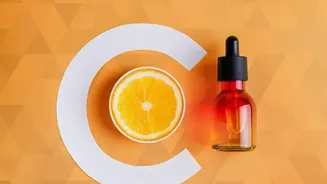
This is where vitamin C comes in as a nutritional hero. Scientific research consistently shows that vitamin C is a powerful enhancer of non-heme iron absorption. The magic happens in the gut. Most plant-based iron exists in a chemical form called ferric iron (Fe3+), which is difficult for our intestinal walls to process. Vitamin C, or ascorbic acid, acts as a reducing agent, converting this ferric iron into the much more soluble and absorbable ferrous (Fe2+) state. In essence, vitamin C transforms the iron into a form your body can easily welcome and use. Studies have shown this simple pairing can increase iron absorption by several times, making a profound difference in how much of the mineral you actually get from your food.
Putting It Into Practice: Power Pairings for Your Plate
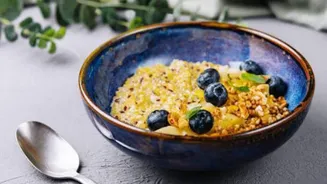
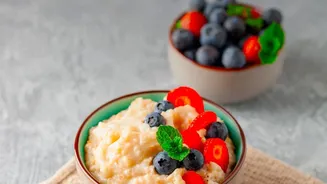
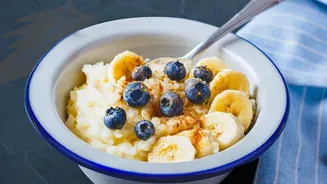
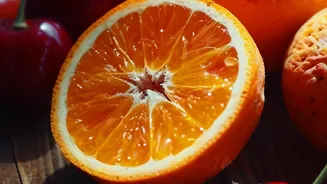
Understanding the science is one thing, but applying it is what makes a difference. The great news is that creating these power-packed meals is both easy and delicious. The key is to consume your iron source and your vitamin C source in the same meal. Think about incorporating these simple combinations into your daily routine: - Breakfast: A bowl of fortified oatmeal or whole-grain cereal topped with fresh strawberries or kiwi. - Lunch: A hearty lentil soup that includes tomatoes, or a spinach salad dressed with a fresh lemon vinaigrette and bell pepper slices. - Dinner: A tofu or chickpea stir-fry loaded with broccoli, or black bean tacos topped with fresh salsa and a squeeze of lime. - Snacks: A handful of cashews or pumpkin seeds paired with an orange. Even small amounts of vitamin C can make a big impact, helping your body overcome natural iron inhibitors like phytates, which are found in grains and legumes.
From Better Absorption to More Daily Energy
So, how does this translate to more energy? Iron is a fundamental component of hemoglobin, the protein in your red blood cells responsible for transporting oxygen from your lungs to the rest of your body, including your brain and muscles. When your iron levels are low, your cells are starved of oxygen, which is essential for energy production. This leads to the classic symptoms of iron deficiency: persistent fatigue, weakness, and even brain fog. By using vitamin C to enhance iron absorption, you're not just improving your iron status; you're supporting your body's entire oxygen delivery system. This isn't about getting a quick jolt like caffeine. It's about fundamentally fueling your cells so they can produce energy efficiently throughout the day, helping you feel more alert, capable, and resilient against that feeling of being constantly drained.