






Clearing the Decks for Autumn
The first step in any reset is a thorough clean-up. Weeks of rain can leave pots waterlogged, soil compacted, and plants looking tired or overgrown. Begin by removing any summer annuals that have finished their life cycle. Prune away dead or yellowing
leaves and spent flowers from your perennial plants to encourage new growth. This is also a crucial time to tackle any lingering issues from the humid season. Gently pull out weeds that may have taken root and inspect your plants for common monsoon-era pests. Wiping down your pots and clearing away debris from your balcony floor not only makes the space look tidier but also improves air circulation and prevents fungal diseases from taking hold.
Revitalising Your Soil
Monsoon showers can wash away essential nutrients from your potting soil, leaving it depleted and heavy. Before you introduce new plants, it’s vital to give your soil a new lease on life. Gently loosen the top few inches of soil in your pots with a small hand fork, being careful not to damage the roots of existing plants. This aerates the soil, allowing roots to breathe again. To replenish lost nutrients, mix in a generous layer of organic compost or well-rotted manure. For an extra boost and to improve drainage, consider adding materials like cocopeat. Another excellent addition is neem cake, a natural fertiliser that also helps to deter soil-borne pests and diseases, setting a healthy foundation for your autumn garden.
Choosing Your Autumn-Winter Stars
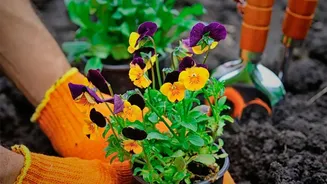
With your space prepped, the most exciting part begins: selecting your plants. Autumn in India is the ideal time to plant a variety of flowers that will bloom beautifully through the milder winter months. Marigolds (Genda) are a fantastic choice, thriving in the pleasant autumn sun and offering vibrant shades of yellow and orange. Chrysanthemums (Shevanti), another autumn staple, come in a stunning array of colours and shapes, from single daisy-like petals to decorative pompons. For cheerful, low-maintenance colour, consider pansies, which flourish in cool weather. Don't limit yourself to just flowers; this is also a prime season for growing edible greens. Pots of coriander (Dhaniya), fenugreek (Methi), and spinach (Palak) grow quickly and will provide fresh flavours for your kitchen right through winter.
Planting and Positioning for Success
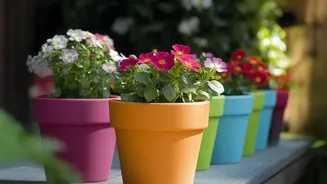
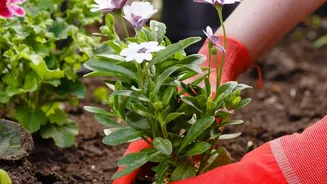
Once you have your new plants or seeds, proper planting is key. If you're using saplings, gently place them in your revitalised pots, ensuring they have enough space to grow. If planting from seed, sow them at the depth recommended on the packet. Many autumn herbs like coriander benefit from soaking the seeds overnight before planting to speed up germination. The autumn sun is generally milder, but most flowering plants still need at least five to six hours of sunlight to produce abundant blooms. Position your sun-loving plants like marigolds and chrysanthemums in the sunniest part of your balcony. Leafy greens like lettuce and spinach can often tolerate partial shade. Remember to use pots with good drainage holes to prevent water from stagnating at the roots, a common cause of plant failure.
Ongoing Care and Enjoyment
As the weather cools, your plants' watering needs will change. The finger test is a reliable method: check if the top inch of soil is dry before watering again. Overwatering is just as harmful as underwatering. Deadhead your flowering plants regularly—that is, pinch off spent blooms—to encourage the plant to produce more flowers instead of putting energy into making seeds. Keep an eye out for pests like aphids, which can sometimes appear on new growth. A simple spray of neem oil solution is an effective organic remedy. Beyond the chores, make your balcony a space for relaxation. Add a small chair or a few cushions, and take time each day to simply enjoy the colours, scents, and life you’ve cultivated.