






Affordability: More Than a Price Tag
When planning for retirement, 'affordability' is a multi-layered concept. It's easy to focus on the initial purchase price of a flat or villa, but the true cost of housing includes a host of other factors that will impact your monthly budget for decades.
These include recurring property taxes, monthly maintenance fees for society amenities, insurance, and the potential for unexpected repair costs. Furthermore, housing affordability cannot be seen in a vacuum. It must be weighed against the city's overall cost of living, including healthcare expenses, utility bills, and transportation. A cheap property in a city with expensive healthcare may not be a wise long-term investment for a retiree.
The Tier-1 vs. Tier-2 Dilemma
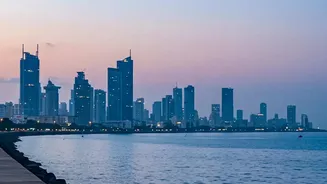
For decades, retirement often meant staying put in the metro where you worked. However, a significant trend shows retirees 'reverse migrating' from Tier-1 cities like Mumbai and Delhi. While these megacities offer world-class amenities and connectivity, they come with sky-high property prices, severe traffic congestion, and often, poor air quality. In contrast, Tier-2 cities are emerging as retirement hotspots, offering a compelling balance. Cities such as Pune, Coimbatore, and Chandigarh provide excellent healthcare, cleaner air, and a more relaxed pace of life, all with significantly lower housing and living costs. The savings can be substantial, preserving capital that can be used for travel, healthcare, or simply enjoying a more comfortable lifestyle.
Spotlight on Promising Cities
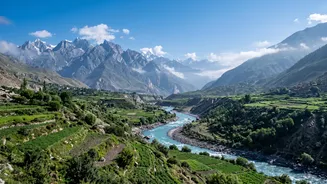
Several cities consistently rank high for retirees seeking a blend of affordability and quality of life. Coimbatore, often called the 'Wellness Capital', has a large concentration of retirement communities and top-tier hospitals, combined with a pleasant climate. Pune, long known as a 'pensioner's paradise', offers a rich cultural scene and proximity to Mumbai, though property prices are rising. For those prioritising nature, Dehradun provides a serene mountain retreat with a cool climate. Meanwhile, cities like Jaipur and Kochi offer unique cultural experiences, good connectivity, and developing infrastructure at a relatively affordable cost. Kochi, in particular, is noted for its excellent quality of life per rupee spent and strong support systems for returning NRIs.
To Buy or To Rent: A Crucial Decision
One of the most significant financial decisions you'll make is whether to buy a property or rent in your chosen retirement city. Buying offers emotional security, a permanent address, and an asset to leave behind. However, it locks up a significant amount of capital and comes with the responsibilities of maintenance and taxes. Renting, on the other hand, offers immense flexibility. It allows you to 'try before you buy', experiencing a city's climate and culture through all seasons before making a permanent commitment. Financially, renting keeps your capital liquid, allowing you to invest it elsewhere, potentially generating returns that could cover your rental costs. This decision hinges on your personal risk appetite, financial situation, and how certain you are about your chosen location.
Before finalising any location, a thorough check is essential. First, spend significant time in the city, ideally for a few weeks or even months, to experience its different seasons and daily rhythm. Talk to locals and other retirees to understand the realities of living there. Investigate the healthcare infrastructure firsthand; identify the nearest reputable multi-speciality hospitals and check their emergency response times. Consult with local real estate agents to get a realistic sense of property values and rental markets. Finally, create a detailed budget based on local costs for groceries, utilities, transport, and leisure to see how it aligns with your retirement income. This groundwork is invaluable and can prevent a costly and emotionally draining mistake.