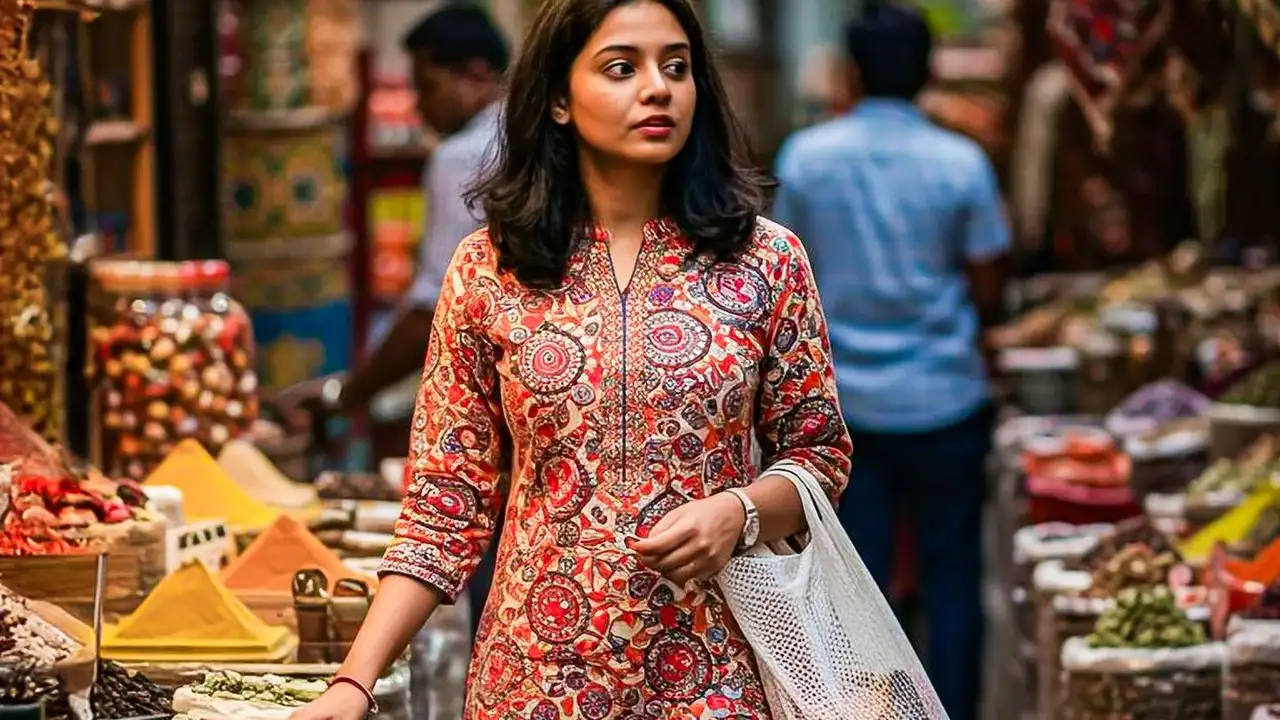








What 'Pragmatic Shopping' Really Means
Pragmatism in festive shopping isn't just about being frugal; it's a new definition of value. For young millennial and Gen Z consumers, a good purchase is no longer just about the discount. It’s about longevity, quality, and versatility. This generation
is more willing to pay a premium for products that last and come from trusted brands. They are moving away from the fast-fashion mindset of buying an outfit for a single occasion. Instead, they seek investment pieces that can be styled differently and worn beyond the festive calendar. This approach marries the desire for quality with the need for financial savviness, reflecting a shopper who is both aspirational and grounded.
Economic Headwinds and Smarter Choices
You can't ignore the economic reality. With retail inflation climbing to 5.54% in September 2026 and expected to rise further, households are feeling the pinch. One survey noted that while 77% of urban consumers plan to spend during the festive season, they are concentrating their spending on fewer categories. Another study projected a 6% drop in overall urban festive spending for 2026 due to these pressures. For young people, many of whom are in early-career stages or dealing with uncertain job markets, this translates into making every rupee count. This doesn't mean they've stopped spending, but their choices are more deliberate, with 88% of Gen Z believing it's necessary to get the best deal on every purchase. This financial pressure encourages a move towards strategic buying over impulsive splurges.
The Digital Native's Toolkit
Today’s young shopper is armed with a powerful toolkit: the smartphone. They are research-first, toggling between apps to compare prices, read reviews, and watch video testimonials before committing to a purchase. A recent study found that nine in ten consumers research products online before buying. This digital fluency allows them to see past marketing hype and identify genuine value. They discover products on Instagram, research them on Google, and might buy them from a brand’s D2C website or a quick commerce app. The rise of AI-powered shopping assistants is also empowering this cohort, helping them find exactly what they need at the best price, further cementing their role as savvy, informed consumers.
A Shift in Core Values
Beyond economics, a deeper cultural shift is at play. Many young Indians are reconsidering the very idea of ownership. The rise of rental platforms for furniture and appliances is a testament to a preference for flexibility and experiences over fixed assets. This mindset extends to festive spending. There's a growing inclination to invest in travel or unique experiences rather than just accumulating material goods. Furthermore, sustainability is no longer a niche concern. A significant number of young shoppers consciously make eco-friendly choices, such as avoiding plastic decorations or buying from local artisans. This search for meaning and responsibility is reshaping their shopping carts, favouring brands that align with their values.
Mindful Indulgence and Redefined Celebrations
The focus is shifting from excess to curated, quality experiences. 'Mindful indulgence' is becoming a new mantra, where consumers seek to balance traditional celebrations with a sense of wellness and moderation. This is reflected in food choices, where there's a growing demand for healthy and natural products even during festivals. Instead of over-the-top displays, many are opting for simpler, more intimate gatherings. This conscious approach extends to gifting, with a preference for thoughtful, handmade items or even experiences over mass-produced products. It's a reinterpretation of festive joy, one that prioritizes genuine connection and personal well-being over conspicuous consumption.