





The End of Blandness
For decades, the modern supermarket has performed a magic trick: offering us every vegetable, all year round. Tomatoes in December, cauliflower in May. While convenient, this perpetual availability has come at a hidden cost. Produce is often picked before
it’s ripe, transported across thousands of kilometres, and stored for weeks, losing both its nutritional value and, most noticeably, its flavour. This has led to a quiet rebellion in our kitchens and at our local mandis. A growing number of people are turning their backs on waxy, tasteless vegetables and rediscovering the simple joy of eating what’s in season. It’s a movement away from agricultural uniformity and towards a more natural, delicious, and healthier way of eating that our grandparents would instantly recognise.
Peak Flavour, Peak Nutrition
The core principle is simple: vegetables that are harvested at their natural peak are superior in every way. When a plant is allowed to ripen fully in its intended season, it develops a more complex and robust flavour profile. The sugars are sweeter, the textures are crisper, and the aromas are more intense. That's why a winter gajar ka halwa tastes infinitely better than one made with off-season carrots. This isn't just about taste. The nutritional content of seasonal produce is also significantly higher. Vegetables that ripen on the vine, soaking up the sun, are packed with more vitamins, minerals, and antioxidants. Produce that travels long distances often has its nutritional value degrade over time. By eating seasonally, you are getting the most nutritional bang for your buck.
Your Winter Health Warriors
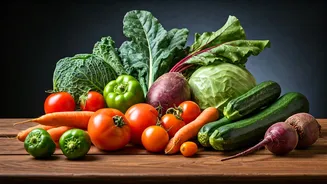
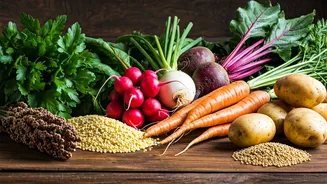
Winter in India brings a bounty of hearty, warming vegetables. This is the time for deep-green leafy vegetables and vibrant root crops. Look for palak (spinach), methi (fenugreek leaves), and sarson (mustard greens), all rich in iron and essential vitamins. Carrots (gajar) are at their sweetest and packed with Vitamin A, perfect for eye health. Radishes (mooli), turnips (shalgam), and fresh peas (matar) also flood the markets, providing fibre and a host of micronutrients to help you fight off winter colds.
Beating the Summer Heat, Naturally
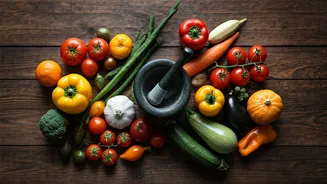
As the temperature soars, nature provides us with vegetables that are hydrating and cooling. The gourd family takes centre stage: bottle gourd (lauki), ridge gourd (tori), and bitter gourd (karela) are not only easy to digest but are also high in water content. Okra (bhindi) and cucumbers (kheera) are other summer staples that help keep the body cool and replenished. These vegetables are light on the stomach and provide the necessary hydration to cope with the intense summer heat.
Monsoon’s Earthy Bounty
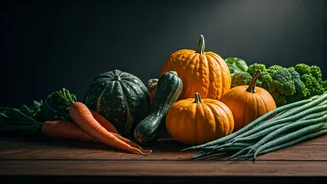
The monsoon season has its own unique culinary landscape. The rains bring a proliferation of different greens and gourds, but it's also the peak season for corn (bhutta), best enjoyed roasted with lime and masala. This is also the time for earthy vegetables like sweet potatoes (shakarkandi) and yams (suran). Fruits like jamun make a brief but glorious appearance, celebrated for their unique flavour and digestive properties. Embracing monsoon produce is about enjoying these fleeting, seasonal delights.
Kinder to Your Wallet and the Planet
The benefits of seasonal eating extend far beyond your plate. When vegetables are in season, they are abundant, which drives down their cost. You'll notice that seasonal produce is always cheaper at your local vendor. So, aligning your diet with the seasons is a savvy financial move. Furthermore, it’s a more sustainable choice. Eating locally and seasonally reduces our collective carbon footprint. There's less need for energy-intensive greenhouses, long-distance transportation, and prolonged cold storage. It's a simple way to support local farmers and contribute to a healthier food system.