




The Power of Protein Variety
Recent studies highlight a fascinating link between protein variety and blood pressure. Research published in the journal Hypertension suggests that people who consume protein from a wider range of sources may have a lower risk of developing high blood pressure. One
study found that individuals who ate protein from four or more different categories—such as whole grains, legumes, fish, and eggs—had a 66% lower risk of hypertension compared to those who ate from fewer than two. The takeaway is that balance is key. Rather than focusing on a single “superfood,” incorporating a mix of both plant and animal proteins in appropriate amounts appears to be most beneficial.
Swap Processed Meat for Fatty Fish
One of the most impactful swaps you can make is replacing processed meats like sausages, salami, and packaged cold cuts with fatty fish. Processed meats are often very high in sodium, a well-known contributor to high blood pressure. Fatty fish such as salmon, mackerel, and sardines are excellent alternatives. They are rich in omega-3 fatty acids, which have been shown to be beneficial for heart health and may help lower blood pressure. Aim for at least two servings of fatty fish per week. This simple exchange reduces your intake of sodium and saturated fats while boosting your consumption of heart-healthy fats.
Replace Red Meat with Legumes
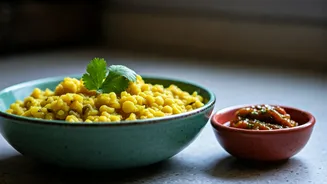
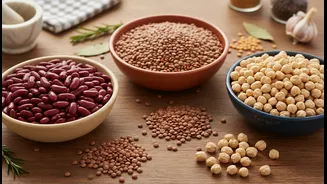
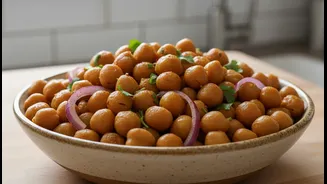
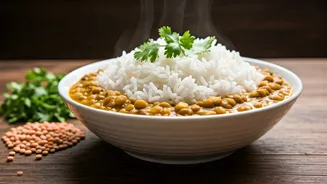
While lean, unprocessed red meat can be part of a balanced diet, frequently swapping it for legumes can offer significant advantages. Legumes like lentils (dal), chickpeas (chana), and kidney beans (rajma) are staples in many Indian households and are nutritional powerhouses. They are excellent sources of plant-based protein, packed with fibre, and naturally low in fat and sodium. Fibre helps manage cholesterol, while nutrients like potassium and magnesium, found abundantly in legumes, play a direct role in relaxing blood vessels and lowering blood pressure. Try incorporating two or three meat-free days a week, focusing on dishes where dal or beans are the star.
Switch to Low-Fat Dairy and Paneer
Dairy products are a good source of protein and contain calcium, a mineral that has been linked to blood pressure reduction. However, full-fat versions can be high in saturated fat. A simple swap is to choose low-fat or fat-free dairy products like toned milk and low-fat yoghurt (dahi). When making or buying paneer, opting for one made from low-fat milk is a healthier choice. These alternatives provide the same protein and calcium benefits without the excess saturated fat, fitting perfectly into a heart-healthy diet like the DASH (Dietary Approaches to Stop Hypertension) plan.
Choose Nuts and Seeds Over Salty Snacks
When hunger strikes between meals, it's easy to reach for a bag of chips or other salty, processed snacks. A much healthier swap is a small handful of unsalted nuts and seeds. Almonds, walnuts, pistachios, flaxseeds, and pumpkin seeds are not only good sources of protein but also contain healthy fats, magnesium, and other nutrients that support heart health. Studies have shown that regular consumption of nuts can be beneficial for blood pressure. Just be mindful of portion sizes, as nuts are calorie-dense. This swap helps you avoid the high sodium content of typical snack foods while providing valuable nutrients.