





Boosting your daily protein intake doesn't have to mean endless shakes or a diet of grilled chicken. Protein powder is a versatile pantry staple that can be seamlessly mixed into the meals you already love, making them more satisfying.
The Morning Smoothie
This is the most
classic and straightforward way to use protein powder for a reason: it works perfectly. A smoothie is already a blended beverage, so a scoop of powder incorporates easily without much fuss. For the best results, blend your liquid (like milk, a dairy-free alternative, or water), fruits, and vegetables first before adding your protein powder and giving it a final, brief blend. This prevents the powder from sticking to the sides of the blender. Almost any type of protein powder works well here, whether it’s whey, casein, or a plant-based option like pea or soy. Flavoured powders like chocolate or vanilla can complement fruits like bananas and berries, turning your breakfast into a healthy treat that keeps you feeling full until lunch.
Oatmeal and Porridge
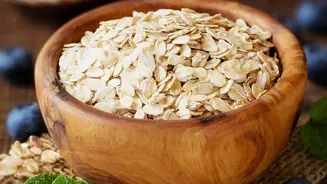
Turning your morning bowl of oats into a protein powerhouse is simple, but there's a key trick to avoiding a clumpy, chalky mess. Never add dry protein powder directly to very hot oatmeal. High heat can cause some proteins, especially whey, to denature and clump together. The best method is to cook your oats as you normally would, then let them cool for a minute. In a separate small bowl, whisk your scoop of protein powder with a few tablespoons of room-temperature water or milk to create a smooth slurry or paste. Gently fold this mixture into your cooked oats until it's fully combined for a creamy, protein-rich breakfast. This technique works for both stovetop oatmeal and overnight oats.
Pancakes and Waffles
Who doesn't love a weekend pancake breakfast? By adding protein powder, you can make this indulgent meal more balanced and sustaining. The general rule is to substitute about one-third of the flour in your recipe with protein powder. For instance, if your recipe calls for one cup of flour, use two-thirds of a cup of flour and one-third of a cup of protein powder. Whey protein tends to work best for pancakes as it has a light texture that mixes well into batter. It’s also important to mix the dry ingredients (flour, protein powder, baking powder) together thoroughly before adding the wet ingredients. Be careful not to overmix the final batter, as this can lead to tough, dense pancakes. You may also need to add a little extra liquid, as protein powder can make the batter thicker than usual.
Soups and Sauces
Perhaps the most surprising use for protein powder is in savoury dishes. An unflavoured protein powder can boost the nutritional content of soups, stews, and sauces without significantly altering the taste. Just like with oatmeal, the key is to avoid adding the powder directly to a hot pot, which can cause clumping. The best approach is to create a slurry. Take a scoop of unflavoured protein powder and whisk it with a small amount of cool or lukewarm broth or water in a separate bowl until it's a smooth paste. Then, stir this slurry into the main pot of soup or sauce at the end of the cooking process, when the heat is low or turned off. This method works especially well for creamy or puréed soups, like tomato, butternut squash, or potato, as the powder enhances the thick texture.