


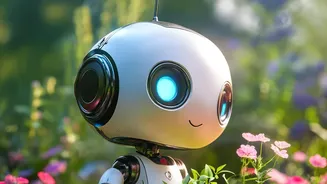
The Undeniable Allure of the Algorithm
Let’s be honest: algorithmic styling is incredibly convenient. Platforms using AI can analyse vast amounts of data to predict trends and suggest items tailored to our past behaviour. For consumers facing decision fatigue, these tools offer a streamlined
way to discover new brands and receive personalised recommendations without endless scrolling. Companies like Stitch Fix and a growing number of e-commerce sites use AI to create a frictionless shopping experience, theoretically making it easier than ever to find clothes that match your taste profile. This efficiency is a powerful draw in our fast-paced lives, promising a shortcut to a better-dressed future.
Where the Code Falls Short
The problem with algorithmic styling isn't that it's bad, but that it's too literal. AI excels at pattern replication, analysing your past clicks to serve you more of the same. This creates a feedback loop that can lead to style stagnation, or what some call the homogenization of fashion. An algorithm can't grasp the nuances of human experience—the desire to dress for the person you want to become, not just who you were yesterday. It lacks the emotional intelligence to understand the context of a major life event or the need for a confidence boost after a bad day. Furthermore, AI recommendations are often designed to encourage consumption, not necessarily to build a cohesive, long-lasting wardrobe from pieces you may already own.
The Human Element: Empathy and Emotion
This is where the personal stylist thrives. A human stylist offers something AI cannot: a relationship. The process is rooted in conversation, observation, and trust. A stylist can read body language, listen to what's unsaid, and understand the deep psychological connection between clothing and identity. In the Indian context, where clothing is deeply entwined with tradition, family, and cultural symbolism, this human understanding is especially crucial. A stylist doesn't just see data points; they see a person with a unique history and aspirations, helping them navigate fashion in a way that feels authentic and empowering. They provide emotional support and build confidence, which is something technology can't replicate.
Curation, Context, and Creativity
A personal stylist’s job is not just to pick new clothes, but to provide curation and context. They help clients build a functional, versatile wardrobe by identifying gaps and showing them how to wear existing pieces in new ways. This promotes a more sustainable approach to fashion, moving beyond the constant churn of algorithm-driven trends. A great stylist also knows when to gently push a client out of their comfort zone, introducing a level of creativity and experimentation that an algorithm, bound by past data, would never suggest. They can assess the physical reality of a garment—its fabric, drape, and fit—in a way that a 2D image generator simply cannot.
A Hybrid Future for Fashion
The debate shouldn't be framed as human versus machine in a fight to the death. The future of fashion will likely involve a collaboration between the two. AI can be a powerful tool for initial discovery, trend analysis, and managing a digital inventory of one's closet. However, the human stylist will remain essential for the final, crucial steps: refining choices, providing emotional context, and building a truly personal style narrative. As the demand for curated experiences grows, especially for major events like weddings and festivals, the expertise of personal shoppers is becoming more valued. AI can handle the data, but humans provide the wisdom.