





The New Travel Checklist
For generations, the image of a young person’s first independent trip was fairly standard: a bus to Goa, a trek in the Himalayas, or a weekend escape to the nearest hill station. The goal was simple: freedom, fun, and maybe a few good stories. But a significant
shift is underway. For today’s travellers in their late teens and twenties, the checklist has expanded. While fun remains a priority, it’s now flanked by a genuine curiosity for culture, history, and authentic local experiences. It’s no longer enough to just see a place; the goal is to understand it. This has led to a fascinating travel hybrid: a day might involve exploring the ancient ruins of Hampi, but it must also include a stop at a beloved local cafe. A heritage walk through Old Delhi is now seamlessly paired with a meticulously planned street food tour. This isn't about choosing between a history lesson and a good time; it's about demanding both in the same itinerary.
Driven by Digital Storytelling
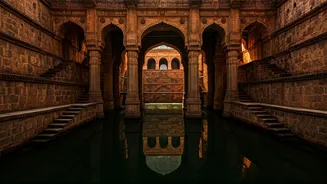
What’s driving this change? A large part of the answer lies in the palm of their hands. Social media platforms like Instagram and YouTube have transformed travel from a personal activity into a form of public storytelling. A feed full of generic beach photos no longer stands out. Instead, value is placed on unique, narrative-rich content. A reel explaining the history of a forgotten stepwell, a photo essay on a local artisan’s craft, or a vlog ranking the best kachoris in Jaipur generates more engagement and social currency. This pushes young travellers to dig deeper. They aren’t just consumers of travel; they are creators of travel content. This creative pressure encourages them to find the hidden gems, learn the story behind a monument, and discover the local snack that hasn’t yet gone viral. The algorithm rewards authenticity, and authenticity requires a little more effort than just booking a flight.
Redefining 'Authentic' Experiences
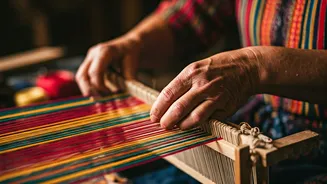
The pursuit of authenticity is central to this trend, but the definition of ‘authentic’ has evolved. It’s not about foregoing comfort or ‘roughing it’ in the traditional backpacker sense. For Gen Z, authenticity means connection. It’s about finding experiences that feel real and un-commercialised, even if they are discovered through a high-production-value YouTube video. This could mean taking a block-printing workshop in Rajasthan, staying in a family-run homestay in Kerala that offers cooking classes, or simply finding a chaiwala who has been on the same street corner for 40 years. These are accessible, low-risk, and deeply memorable touchpoints with local culture. The ‘snack stop’ is the perfect metaphor for this new authenticity: it’s a small, affordable, and delicious entry point into the history and daily life of a place.
History, but Make It Engaging
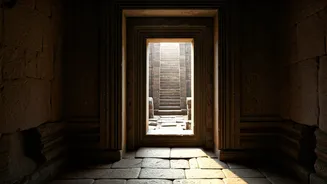
This generation’s engagement with history is also different. They are less likely to sign up for a three-hour, fact-heavy guided tour. Instead, their historical exploration is often self-directed and visually motivated. They might seek out a specific fort because it was a filming location for a favourite movie or web series, allowing them to connect with the place through a modern cultural lens. They use apps and QR codes to learn about sites at their own pace. The goal isn’t to memorise dates and dynasties but to capture a feeling—the grandeur of a palace at sunrise, the mystery of a ruined temple, or the intricate detail of a Mughal-era carving. It’s history consumed in bite-sized, engaging, and highly photogenic moments, perfectly suited for a world of short attention spans and visual communication.
The Snack as a Destination
Let’s not underestimate the ‘snack stop’. For many young travellers, food is not an afterthought; it’s a primary motivation. The rise of dedicated food vloggers and Instagram accounts has turned local eateries into destinations in their own right. People will travel to a specific city just to try a legendary biryani or a famous sweet. This culinary tourism is the perfect companion to historical exploration. After a morning spent walking through ancient lanes, a stop for a hot, crispy jalebi or a flavourful plate of chaat is both a reward and a continuation of the cultural immersion. It grounds the grand, abstract experience of history in something tangible, sensory, and immediately enjoyable. The snack stop is where the past meets the present, and it’s a delicious combination.