



The Myth's Green Roots
The popular belief that houseplants are nature's air purifiers largely stems from a pioneering 1989 NASA study. Faced with the challenge of keeping the air clean in sealed space stations, researchers looked for biological solutions. They placed common
houseplants like Spider Plants, Peace Lilies, and Dracaena in small, sealed plexiglass chambers and injected volatile organic compounds (VOCs) such as formaldehyde and benzene. The results were striking: over 24 hours, the plants successfully removed a significant percentage of these airborne chemicals. This groundbreaking research, known as the NASA Clean Air Study, provided the first major evidence for phytoremediation—the ability of plants to clean the environment. Naturally, the findings were quickly embraced by media and plant lovers alike, launching an enduring wellness trend.
Why Reality Doesn't Match the Lab
The problem isn't that the NASA study was wrong, but that its findings have been widely misinterpreted. Those experiments were conducted in small, airtight chambers—a far cry from a typical home or office with drafts, open windows, and ventilation systems. Subsequent reviews of the research have highlighted this critical disconnect. A 2019 meta-analysis published in the Journal of Exposure Science and Environmental Epidemiology re-examined decades of data and reached a sobering conclusion. Researchers calculated that in a real-world setting, the natural air exchange from ventilation dilutes pollutants far more effectively and quickly than a few potted plants ever could. In fact, their analysis suggested you would need a staggering number of plants—anywhere from 10 to 1,000 per square metre of floor space—to compete with a building's standard air exchange rate. Simply put, the handful of plants in your living room are not working at a scale that can meaningfully impact your home's overall air quality.
The Real Benefits of Going Green
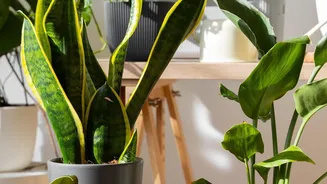
So, if they aren't miracle air purifiers, should you give up on your green companions? Absolutely not. While the air-cleaning claims are overstated, the psychological benefits of indoor plants are well-documented and significant. Numerous studies show that simply being around plants can reduce stress, lower blood pressure, and improve mood. A 2015 study found that active interaction with plants, such as potting or watering, reduced physiological and psychological stress markers in participants. This connection to nature, often called biophilia, is increasingly recognized as a vital component of wellness. Research reviews have demonstrated that having plants in a room can enhance concentration, improve memory, and even increase pain tolerance. The microorganisms in the plant's soil may also play a role, with some studies suggesting they have anti-depressive effects. In essence, while your snake plant isn't scrubbing toxins, it's very likely making you feel calmer, more focused, and happier.
A Better Strategy for Fresh Air
For those genuinely concerned about indoor air pollution, a more effective approach focuses on two key areas: ventilation and source control. The best way to improve air quality is often the simplest: open your windows and allow fresh air to circulate, diluting any accumulated indoor pollutants. When that's not possible, a high-efficiency particulate air (HEPA) filter is an extremely effective tool for removing airborne particles. Beyond that, be mindful of the sources of VOCs in your home. These chemicals are often released from furniture, cleaning products, paints, and building materials. Opting for low-VOC products can significantly reduce indoor pollution from the start. Think of houseplants not as your primary air filtration system, but as a beautiful and psychologically enriching part of a healthier home environment. They contribute to a sense of well-being that clean air alone cannot provide.