


Claim: The Rain Will Do All the Watering for You
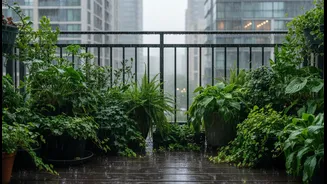
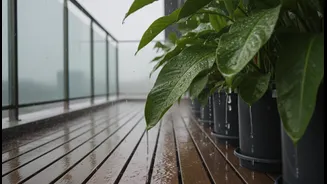
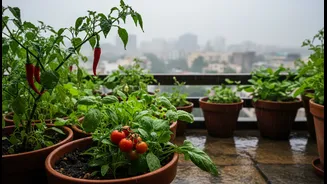
One of the biggest misconceptions is that you can stop monitoring your plants once the daily showers begin. In reality, overwatering is a far greater risk than under-watering during the monsoon. Heavy rain can saturate pot soil, depriving roots of the oxygen
they need to survive and leading to root rot. Symptoms include yellowing leaves and a wilting plant despite the soil being wet. Conversely, plants on a covered balcony may receive no rain at all and still need watering. The rule is simple: always check the soil before watering. Stick your finger about two inches deep; if it feels damp, leave it alone.
Claim: Any Pot Is Fine as Long as It Rains
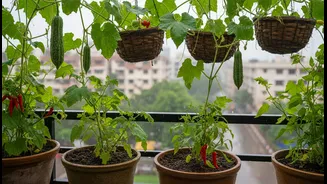
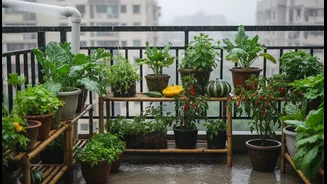
This is perhaps the most damaging myth. Proper drainage is the single most important factor for a successful monsoon garden. Pots must have clear drainage holes to let excess water escape. Many gardeners unknowingly block these holes with compacted soil or forget to empty the saucers underneath, leaving plants sitting in stagnant water. During the monsoon, it's best to remove saucers entirely or elevate your pots on bricks or stands. This small gap allows air to circulate and water to drain freely, preventing the soggy conditions that cause roots to rot. Using a well-draining soil mix containing ingredients like cocopeat or perlite is also crucial.
Claim: The Monsoon Is Just for Greenery, Not Flowers
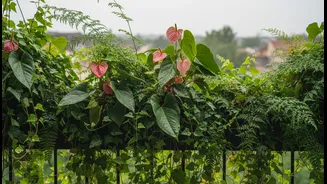
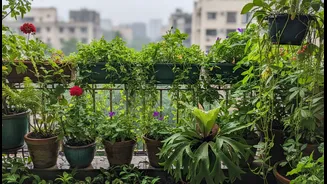
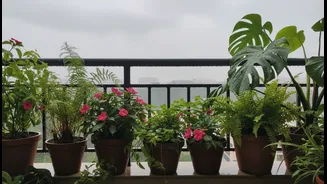
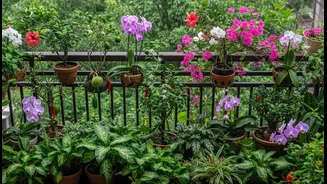
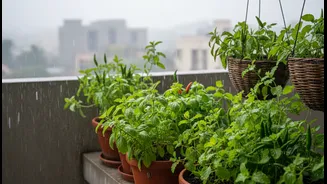
While many plants struggle, a select group thrives in the high humidity and consistent moisture of the Indian monsoon, producing spectacular blooms. Hibiscus, for instance, enters a period of vigorous flowering. Rain lilies get their name from their habit of bursting into flower almost overnight after a shower. Other reliable bloomers that love the rainy season include balsam, periwinkle (sadabahar), and fragrant crape jasmine. For edible options, this is the perfect time to grow herbs like mint, coriander, and tulsi, which flourish in the humid conditions.
Claim: More Humidity Means Fewer Pests
Unfortunately, the opposite is true. The damp, humid environment is an ideal breeding ground for fungal diseases and common garden pests like aphids, mealybugs, slugs, and snails. High humidity encourages issues like powdery mildew and root rot. Prevention is far more effective than treatment. Ensure good air circulation by not overcrowding your plants. Prune away any dead or yellowing leaves promptly to prevent disease from spreading. A fortnightly spray with a simple, organic neem oil solution can act as a powerful deterrent against both pests and fungi, protecting your plants without resorting to harsh chemicals.
Claim: Plants Are Safe from the Elements
The monsoon isn't just gentle showers; it often brings strong winds and torrential downpours that can batter plants, break stems, and dislodge pots. Taller plants or those with large leaves can act like sails and may need to be secured to railings or moved to a more sheltered spot. It's also wise to protect sensitive plants, such as succulents, which cannot tolerate continuous rain and may rot if left exposed. A little bit of planning before the heavy rains set in—like moving vulnerable pots away from the edge of the balcony—can save your plants from physical damage.