


The Vegetarian Iron Challenge
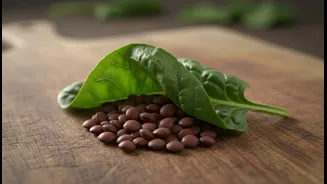
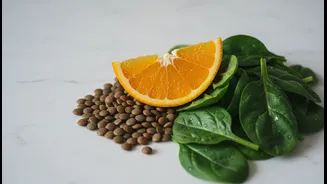
Iron is a crucial mineral that our bodies need for energy, growth, and transporting oxygen in the blood. While many vegetarian staples in India—like lentils (dal), chickpeas (chana), spinach (palak), and millets—are rich in iron, this iron is not all
created equal. Iron from food comes in two forms: heme, from animal sources, and non-heme, from plant sources. The challenge for vegetarians is that non-heme iron is significantly harder for the body to absorb. While the body can absorb up to 35% of heme iron from meat, the absorption rate for non-heme iron from plants can be as low as 2%. This means that even if a vegetarian diet contains a good amount of iron on paper, the body might only be able to use a small fraction of it.
Meet the Absorption Blockers
Several common compounds, often found in the very same healthy plant-based foods, can interfere with non-heme iron absorption. These are known as inhibitors. Phytates, present in whole grains, legumes, and nuts, are major culprits and can reduce iron absorption significantly. Similarly, tannins and polyphenols, the compounds that give tea and coffee their characteristic bitterness, can block iron uptake by as much as 60-90% if consumed with or too close to a meal. Calcium, essential for bone health, also competes with iron absorption, meaning that having a glass of milk or a bowl of yogurt with your iron-rich meal might not be the best strategy for maximizing iron uptake. Knowing about these blockers is the first step to outsmarting them.
The Game-Changing Swap: Add Vitamin C
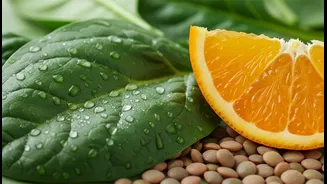
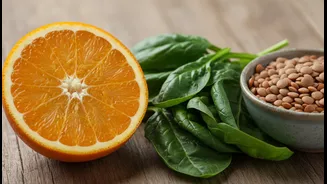
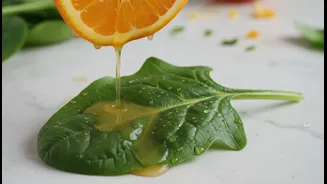
Here is the simple, powerful swap: pair your iron-rich vegetarian foods with a source of Vitamin C. Nutrition science has consistently shown that Vitamin C is one of the most potent enhancers of non-heme iron absorption. It works in two main ways. First, it helps convert the plant-based iron (ferric iron) into a form (ferrous iron) that your intestines can absorb much more easily. Second, it forms a protective complex with the iron, shielding it from the effects of inhibitors like phytates and tannins. Studies have shown that adding Vitamin C to a meal can increase non-heme iron absorption several times over, effectively helping your body unlock the iron stored in your food.
Putting It Into Practice in an Indian Kitchen
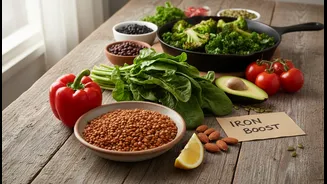
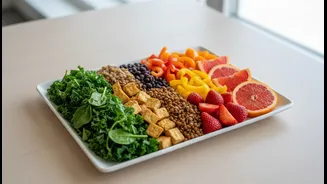
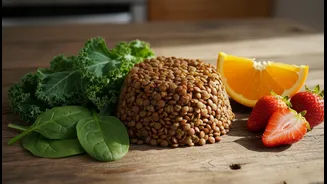
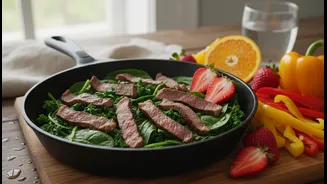
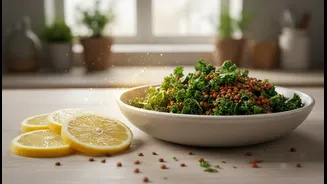
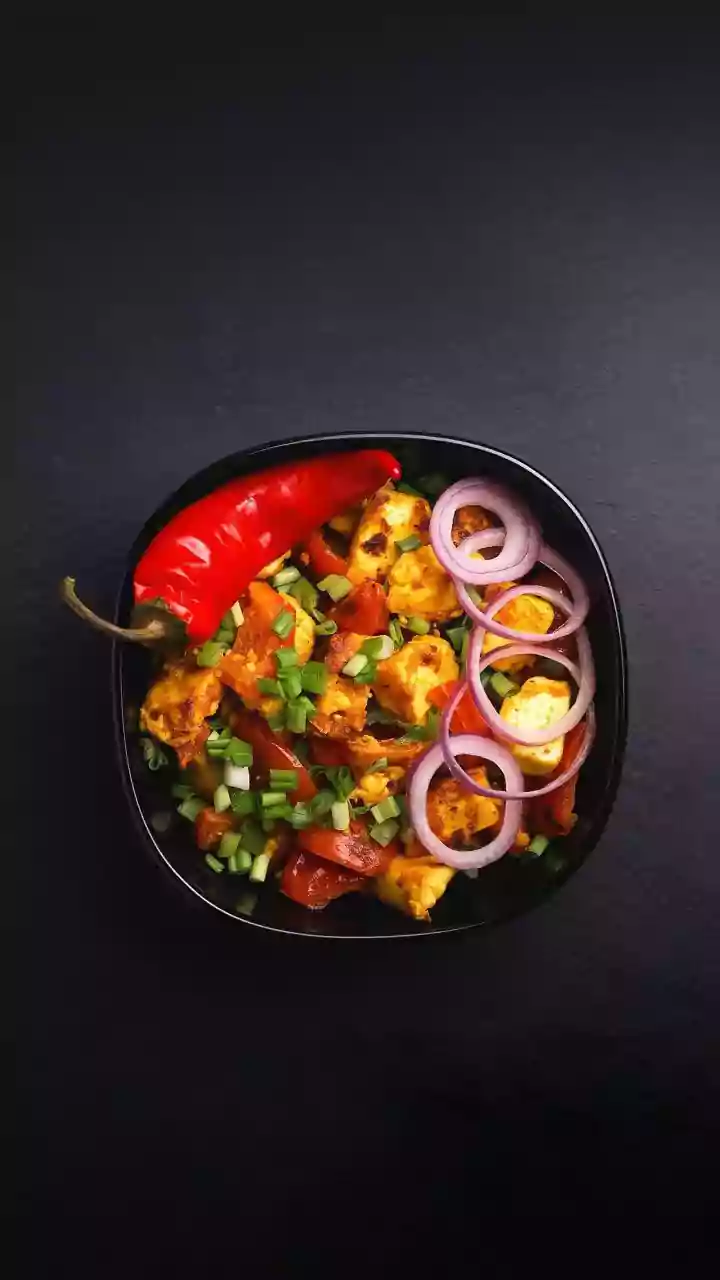
The beauty of this swap is how seamlessly it fits into traditional Indian eating habits. It doesn't require expensive supplements or exotic ingredients, just mindful pairing. For instance, squeezing a wedge of lemon (nimbu) over your bowl of dal or lentil soup is a classic way to add both flavour and Vitamin C. When making a spinach or fenugreek (methi) sabzi, adding fresh tomatoes or bell peppers (capsicum) will boost its iron bioavailability. Enjoying a side of amla (Indian gooseberry) pickle or chutney with your meal is another fantastic strategy. Even finishing your meal with a Vitamin C-rich fruit like a guava, orange, or some strawberries can make a difference. The goal is to consume the iron source and the Vitamin C source in the same meal to get the maximum benefit.
Simple Swaps for Maximum Impact
To make this strategy work for you, think in terms of both 'add-ins' and 'timing'. In addition to adding Vitamin C, you can make other small adjustments. Try to avoid drinking your chai or coffee immediately before, during, or after your main meals. Aim to leave a gap of at least an hour, or ideally two, between your tea and your iron-rich lunch or dinner. If you take calcium supplements, consider having them at a different time of day than your most iron-dense meal. Another traditional practice that helps is cooking in cast-iron cookware (kadai), which can naturally leach small amounts of iron into the food, further boosting your intake. By consciously adding a source of Vitamin C and being mindful of inhibitors, you are making a small change that can lead to a significant improvement in your body's ability to absorb essential iron.