



The Foundation: Why Squats Reign Supreme
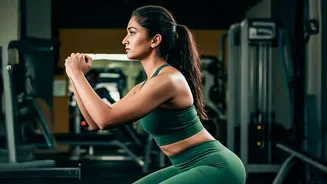
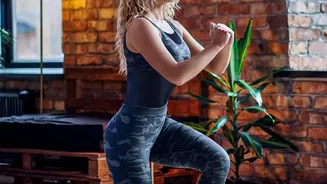
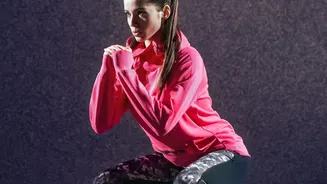
The squat is a fundamental human movement and a powerhouse exercise for a reason. Often called the 'king of leg exercises', it’s a compound movement that engages multiple large muscle groups simultaneously. Primarily, squats target the quadriceps (the
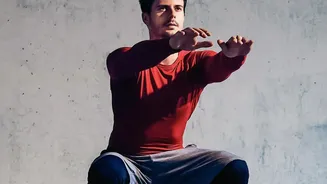
front of your thighs), the glutes (your buttocks), and the hamstrings (the back of your thighs). Because squats recruit so much muscle mass, they are incredibly efficient for building overall leg strength and size. They also trigger a significant hormonal response, encouraging muscle growth system-wide. Proper form is crucial: think of sitting back into a chair, keeping your chest up, your back straight, and driving through your heels to stand back up.
The Unilateral Advantage of Lunges
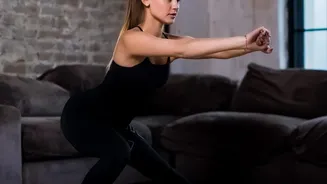
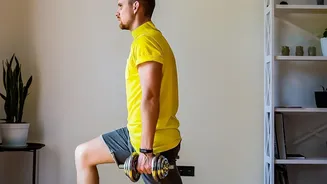
If squats are about raw power, lunges are about stability and balance. As a unilateral exercise, meaning it works one leg at a time, the lunge is uniquely effective at identifying and correcting strength imbalances between your left and right sides. This single-leg focus forces smaller stabilizing muscles in your hips and core to work harder, improving your coordination and balance. Lunges target the same primary muscles as squats—quads, glutes, and hamstrings—but the movement pattern provides a different stimulus, crucial for well-rounded development. Variations like forward, reverse, and walking lunges further challenge your muscles in different ways, making them a versatile tool in your fitness arsenal.
The Power of Alternation and Variation
Your body is incredibly adaptive. If you perform the same workout routine repeatedly, your muscles get used to the stimulus, and your progress can stall—a phenomenon known as a plateau. By alternating between squats, lunges, and other exercises, you continuously 'shock' the muscles with new challenges, forcing them to adapt and grow stronger. This variation not only keeps your workouts engaging but also helps prevent overuse injuries that can arise from repeatedly stressing the same tissues in the exact same way. A well-rounded routine ensures that you are building balanced strength across the entire leg, from different angles and through different movement patterns.
Expanding Your Thigh-Strengthening Toolkit
While squats and lunges are foundational, incorporating other exercises will lead to more comprehensive results. Consider adding these movements into your alternating routine: Romanian Deadlifts (RDLs): This hinge movement places greater emphasis on the hamstrings and glutes, perfectly complementing the quad-dominant focus of squats. Glute Bridges: An excellent exercise to activate and strengthen the glutes, which are key for powerful hip extension in all lower-body movements. Leg Press: This machine-based exercise allows you to safely handle heavy weight, building raw strength in the quads and glutes without requiring as much core stabilization as a free-weight squat. Bulgarian Split Squats: A challenging lunge variation where your back foot is elevated. It’s highly effective for targeting the quads and glutes of the front leg while improving stability. * Lateral (Side) Lunges: This variation works your legs in a different plane of motion, targeting the inner and outer thighs (adductors and abductors) more directly than forward lunges or squats.
Structuring Your Weekly Leg Workouts
To effectively alternate your exercises, consider structuring your week with different focus days. This allows you to give maximum effort to certain movements while ensuring balanced development. You can train legs two to three times per week, allowing at least 48 hours of recovery between sessions. Example Weekly Structure: Day 1: Squat Focus (Strength) Barbell Back Squats: 3 sets of 5-8 reps Romanian Deadlifts: 3 sets of 8-12 reps Leg Press: 3 sets of 10-15 reps Calf Raises: 3 sets of 15-20 reps Day 2: Lunge Focus (Stability & Volume) Walking Lunges: 3 sets of 10-12 reps per leg Bulgarian Split Squats: 3 sets of 8-10 reps per leg Glute Bridges: 3 sets of 12-15 reps Lateral Lunges: 3 sets of 10 reps per side This approach ensures you are consistently working the foundational patterns of squatting and lunging while integrating accessory movements to build a complete, strong, and resilient lower body.