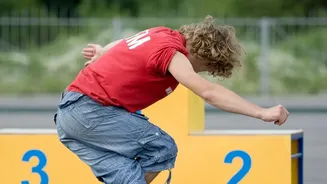


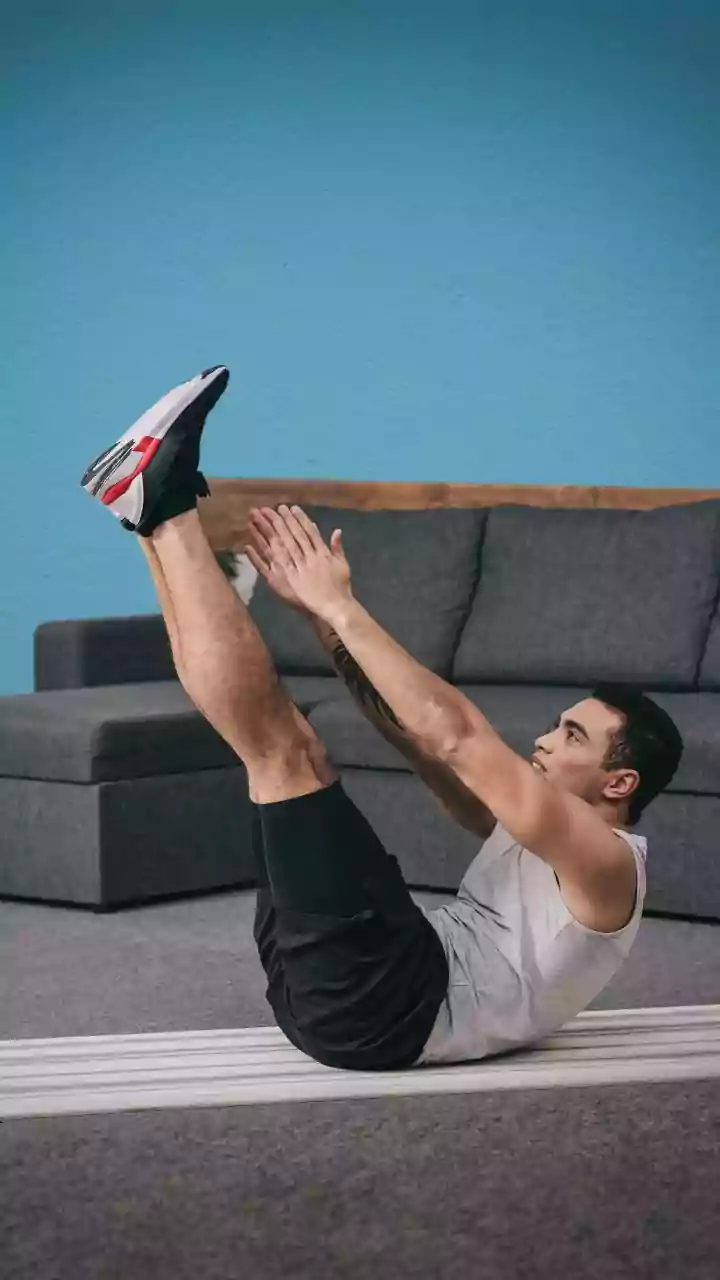




Choosing between a bike ride and a skate session? Both are fantastic low-impact workouts, but one has a surprising edge when it comes to building deep core strength, balance, and stability. Let's break down how each activity works your body.
The Rhythmic Ride of Cycling
Cycling is
a beloved cardiovascular activity for good reason. It’s excellent for heart health, builds serious lower-body strength, and is relatively easy on the joints. The primary muscles at work are the large ones in your legs: the quadriceps during the downward push of the pedal, and the hamstrings and glutes on the upstroke and for overall power. While you pedal, your core muscles—including your abdominal muscles and lower back—act as a crucial support system. They create a stable platform, allowing you to transfer power efficiently from your upper body to your legs, especially when you’re climbing a hill or sprinting. However, the bike's frame provides a significant amount of external support, meaning your core is engaged for stability, but not dynamically challenged in the same way as other activities.
The Dynamic Glide of Skating
Inline or roller skating offers a different kind of movement that is both rhythmic and demanding. It's a full-body workout that engages the legs, core, and even the upper body for balance. The side-to-side push, or stride, works the glutes, hips, and thighs in a unique way, particularly targeting hip abductors that are often underused in other exercises. But the real secret weapon of skating is its constant demand for balance. Because you are on a constantly moving and unstable surface, your body has to make continuous small adjustments to stay upright, and that's where the core comes in.
Skating: A True Test of Core Stability
This is where the distinction becomes clear. While cycling uses the core for stabilization on a fixed plane, skating forces the core to work much harder to maintain dynamic balance. Every time you push off with one leg and glide on the other, you create an unstable, one-sided movement. To prevent your torso from twisting or collapsing, your deep core muscles—the transverse abdominis, obliques, and lower back extensors—must fire constantly. This constant activation builds true core stability, which is the ability to control your body's position in space while in motion. The continuous challenge to your equilibrium makes skating an exceptional workout for improving coordination, agility, and the reflexive strength of your midsection.
Beyond the Core: A Full-Body Breakdown
When comparing the two, both are excellent low-impact exercises that are gentle on the joints compared to running. Cycling is fantastic for building raw leg power, especially in the quads and hamstrings, and is great for endurance over long distances. Many competitive speed skaters even use cycling as part of their off-season training because the major muscle groups used are so similar. Skating, however, tends to provide a more comprehensive workout. It burns a comparable, and sometimes higher, number of calories per hour due to the engagement of more muscle groups simultaneously, including the core and upper body used for balancing.
Which Workout Is Right for You?
The best choice ultimately depends on your personal fitness goals. If your primary aim is building powerful leg muscles and cardiovascular endurance for long distance efforts, cycling is an unbeatable option. It's also a practical mode of transportation. If you're looking for a fun, full body workout that significantly improves your balance, coordination, and deep core stability, skating holds a clear advantage. Its unique demand for dynamic balance makes it a powerful tool for developing agility and a strong, reactive core that benefits you in all other areas of life.