
The Great Reopening
Most national parks in India close during the monsoon season, from roughly July to September, to allow ecosystems to recover and for maintenance. The season officially kicks off again in October. Key parks like Ranthambore, Jim Corbett, and several reserves
in Madhya Pradesh such as Bandhavgarh and Kanha typically welcome visitors from October 1st. However, dates can vary. Some zones within parks, like the popular Dhikala zone in Corbett, may open later in mid-November. Others, like Kaziranga in Assam, known for its rhinos, often reopen around November 1st. Always check the official forest department website for the specific park you plan to visit for the latest updates, as conditions can affect opening schedules.
Navigating the Booking Process
Gone are the days of last-minute plans. Booking a safari in India's premier tiger reserves requires advance planning. Most bookings are now handled through official government portals, and permits for popular parks and zones are often sold out months in advance. It is advisable to book your safari at least 90 to 120 days before your travel date. You will need to provide valid government-approved photo identification, such as an Aadhaar card, driver's licence, or passport for foreign nationals, for each visitor at the time of booking. It is crucial to carry the same original ID with you to the park, as it will be checked at the entry gate. You can book directly via government sites or use reputable private travel agencies that can manage permits and packages.
Choosing Your Ideal Park
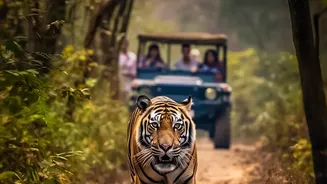
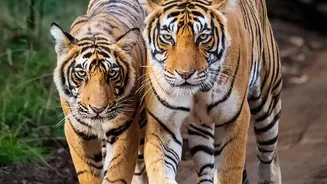
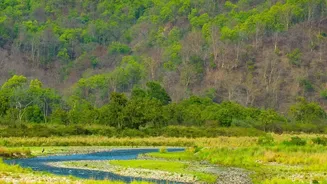
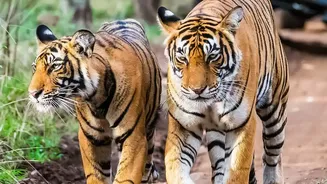
While the Bengal tiger is the main attraction for many, India's parks offer diverse experiences. Ranthambore in Rajasthan is famous for tiger sightings against a dramatic backdrop of its ancient fort. Bandhavgarh in Madhya Pradesh boasts one of the highest densities of tigers, increasing your chances of a sighting. For a different experience, Kanha, also in Madhya Pradesh, offers stunning landscapes of sal forests and grasslands and is celebrated for its biodiversity beyond tigers. Jim Corbett in Uttarakhand is a great option for those near Delhi and is home to a high density of tigers and a large elephant population. If your interests lie elsewhere, consider Gir in Gujarat for Asiatic lions or Kaziranga in Assam for the one-horned rhinoceros.
What to Pack and Wear
Dressing for a safari is about comfort and blending in. Opt for neutral, earthy colours like khaki, olive, beige, and brown. Avoid bright colours and white, which can startle animals and get dirty quickly. Layering is key. Early morning drives in an open jeep can be surprisingly cold, especially between November and February, so a warm jacket, scarf, and even a beanie are essential. As the day warms up, you can shed layers. Full-length trousers and closed shoes are recommended for protection against insects and dust. A wide-brimmed hat, sunglasses, and sunscreen are non-negotiable for sun protection.
Essential Safari Gear
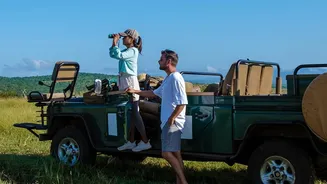
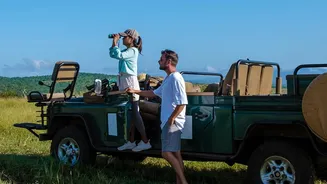
Beyond clothing, a few items can significantly enhance your experience. A good pair of binoculars is arguably the most crucial piece of gear, allowing you to get clear views of distant animals and birds without disturbing them. For photographers, a camera with a zoom lens (at least 100-400mm) is recommended. Carry spare batteries and a power bank, as charging facilities can be limited. A scarf or buff is useful to protect against dust on dry trails. Also pack a small first-aid kit, insect repellent, and any personal medications. Remember to bring your own reusable water bottle to stay hydrated.
Etiquette in the Wild
A safari is a visit to the animals' home, and respecting their space is paramount. Maintain silence and avoid loud noises or sudden movements, as this can distress the wildlife. Do not pressure your guide or driver to get too close to animals. Patience is crucial; sometimes the most rewarding moments come from quietly waiting and observing. Listen to your guide—they are trained to interpret animal behaviour and ensure safety. Look beyond just the tiger; appreciate the entire ecosystem, from alarm calls of deer to the tracks on the ground. Finally, never feed any animals and ensure you take all your litter back with you.