





The Science of the Sear
That irresistible golden-brown crust on perfectly cooked food has a name: the Maillard reaction. It’s a chemical reaction between amino acids and sugars that kicks in at high temperatures, typically around 140°C to 165°C. This process creates hundreds
of new flavour and aroma compounds, transforming not just the colour but the entire taste profile of your food. The key to unlocking this magic is twofold: high heat and the removal of moisture. Water is the enemy of crispiness because it prevents the surface of the food from reaching the temperatures needed for the Maillard reaction to begin. By ensuring your ingredients are dry and your pan is hot, you’re creating the perfect environment for that delicious, crispy sear to form.
The Paneer Power-Up
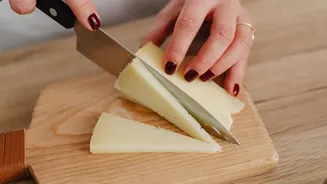
Paneer has a tendency to be soft and spongy, but with the right approach, it can become beautifully crisp on the outside while remaining tender inside. The first and most crucial step is to remove excess moisture. After cutting your paneer into cubes, pat them thoroughly dry with a paper towel. Some cooks even soak the paneer in salted water for about 15 minutes before drying it, which helps with the final texture. When you’re ready to cook, use a non-stick or well-seasoned cast-iron pan over medium-high heat. Add a bit of oil or ghee and make sure it’s hot before adding the paneer. Don’t overcrowd the pan; give the cubes space to fry rather than steam. Let them cook undisturbed for 3-4 minutes on one side until a golden-brown crust forms before flipping. Rushing this process can cause the crust to stick to the pan.
Transforming Tofu's Texture
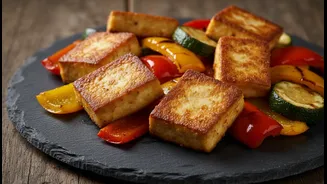
Tofu’s high water content makes achieving a crisp edge a common challenge, but it's easily overcome. The most important step is pressing it. Use firm or extra-firm tofu and wrap the block in paper towels, placing a heavy object on top for at least 20 minutes to squeeze out as much liquid as possible. Once pressed, cut it into your desired shapes. For an extra-crispy coating, toss the dry tofu pieces in cornstarch seasoned with salt and pepper. The cornstarch helps to absorb any remaining surface moisture and creates a shell that fries up beautifully. Pan-fry the coated tofu in a hot, well-oiled skillet for 2-4 minutes per side, ensuring you don't move the pieces until a crust has formed. This allows the tofu to develop a crunchy exterior while the inside stays soft.
Victory for Vegetables
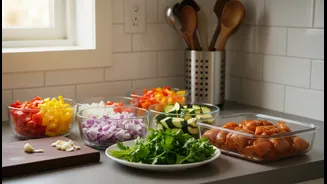
Whether you're roasting, air frying, or pan-searing, the same principles apply to vegetables. Start by washing and, most importantly, thoroughly drying your vegetables. Cut them into uniform pieces to ensure they cook evenly. Before cooking, toss them in a bowl with enough oil to lightly coat each piece, along with your desired seasonings. For oven roasting, a high temperature of around 200-220°C is ideal. Spread the vegetables in a single layer on a baking sheet, making sure not to overcrowd the pan, as this will cause them to steam instead of roast. Roasting for 25-35 minutes, flipping halfway through, will yield caramelized edges and a tender interior. This method works wonders for cruciferous vegetables like broccoli and cauliflower, as well as root vegetables like potatoes and carrots.
Beyond the Pan: Baking and Air Frying
While pan-frying offers a fantastic crust, baking and air frying are excellent, often healthier, alternatives. When baking tofu or paneer, a hot oven (around 200°C) is key. Tossing the pieces in cornstarch before baking can help achieve a crispier result. The air fryer is another powerful tool for crisping. It works by circulating hot air at high speed, mimicking the effects of deep-frying with far less oil. For vegetables, preheating the air fryer and cooking in a single, uncrowded layer is crucial for achieving a crispy finish. Most vegetables become tender and crisp in an air fryer at around 180-200°C in just 10-20 minutes, shaking the basket occasionally. These methods are not only convenient but also deliver that satisfying crunch with minimal fuss.