



Kerala, India: God's Own Country in Full Bloom
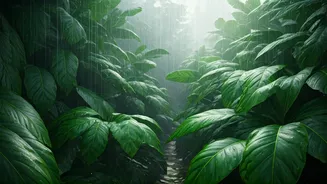
While many tourists flock to India during the dry winter months, the southwestern state of Kerala truly comes alive during the monsoon (June to September). The rain washes the landscape clean, leaving behind a world of impossible greens. The famous backwaters
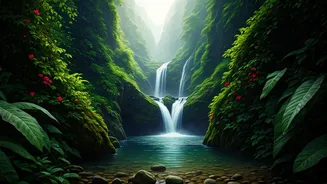
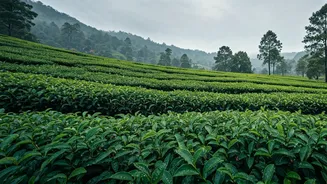
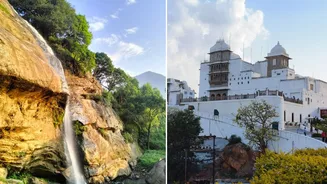
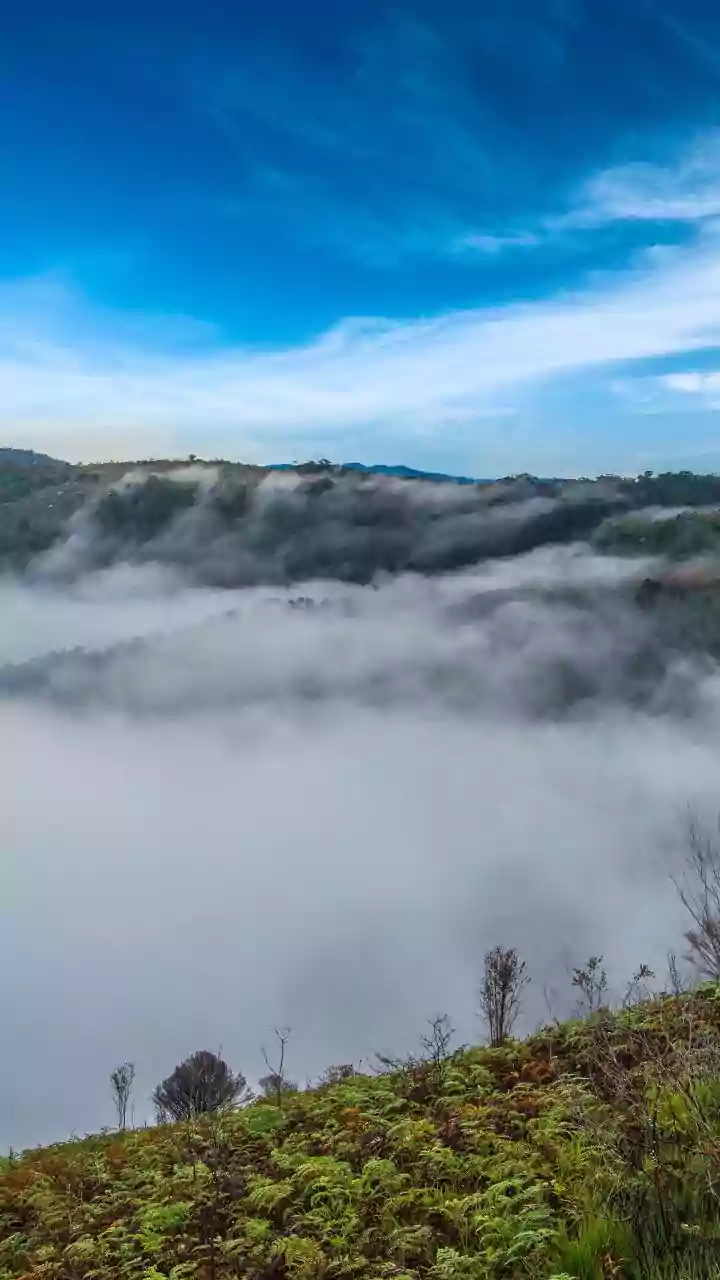
swell, making houseboat journeys through the network of canals and lagoons even more magical. The air is cool and fresh, a welcome respite from the country’s often-searing heat. This is also considered the best time for traditional Ayurvedic treatments. According to ancient wisdom, the moist, cool atmosphere helps the body become more receptive to herbal oils and therapies. Instead of fighting for a spot on a crowded beach, you could be spending your days in a wellness retreat, listening to the rhythmic patter of rain on a tiled roof. Waterfalls like Athirappilly are at their thundering best, and the otherwise-bustling tea plantations of Munnar are shrouded in a mystical, quiet fog. You’ll find lower prices on flights and accommodations, and you’ll be sharing the view with locals, not legions of tourists.
Northern Thailand: Waterfalls and Lush Mountain Vistas
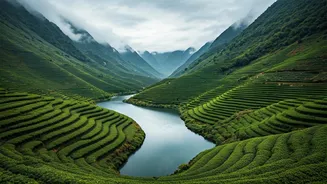
Thailand’s rainy season often conjures images of flooded streets in Bangkok or canceled island ferries. But head north to the region around Chiang Mai and Pai, and you’ll discover a different story. From roughly July to October, the “green season” transforms the mountainous landscape into a lush paradise. The rice paddies become a vibrant, terraced carpet of green, and the jungle feels intensely alive. This is the perfect time for chasing waterfalls, which are at their most powerful and impressive. You can explore the region’s famous temples, like Wat Phra That Doi Suthep, with far fewer people, allowing for a more contemplative experience. The rain showers are often intense but brief, typically occurring in the afternoon, leaving the mornings and evenings clear for exploring local markets or enjoying the burgeoning café scene. The slightly cooler temperatures make hiking and visiting ethical elephant sanctuaries more comfortable. It’s a chance to see a softer, more intimate side of a country known for its high-energy tourism.
Costa Rica: The Emerald Season's Secret
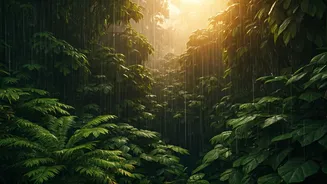
Closer to home, Costa Rica’s rainy season (May to November) has been cleverly rebranded as the “green season,” and for good reason. This is when the country’s world-renowned rainforests are at their most spectacular. The foliage is dense and verdant, and the wildlife is often more active. For nature lovers, this is primetime. The cloud forests of Monteverde are thick with atmosphere, and the national parks, from Tortuguero to Corcovado, teem with life. Like in Thailand, the rain often comes in predictable afternoon downpours, which locals call “temporales.” This creates a pleasant daily rhythm: explore in the sunny mornings, then retreat for a coffee, a nap, or a good book as the rain cools the air. It’s also the best time for spotting sea turtles nesting on both the Caribbean and Pacific coasts. While some unpaved roads in remote areas can become challenging, the main tourist circuits remain accessible, and you’ll be rewarded with significantly lower prices and a sense of having the pura vida all to yourself.
Bali, Indonesia: Spiritual Solitude in Ubud
Bali’s main tourism crush happens during the dry summer months. But if you visit during the rainy season (roughly November to March), you can unlock a more serene version of the Island of the Gods, especially around the cultural heart of Ubud. The famously photogenic rice terraces of Tegalalang are at their most verdant, and the crowds thin out considerably, allowing you to experience the island’s spiritual side without the commercial buzz. Imagine practicing yoga in an open-air studio with the sound of rain as your soundtrack or enjoying a traditional Balinese massage while a storm passes overhead. The downpours are usually short and heavy, offering a dramatic, refreshing break in the day. It’s an ideal time to focus on wellness, take a cooking class, or explore the island’s many art galleries and craft markets. While beach time might be less reliable, the lush interior of the island provides more than enough beauty and activity to make a monsoon-season trip a deeply restorative escape.