




The Persistent Peril of Potholes
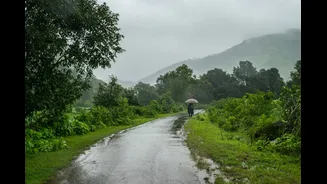
After months of rainfall, Indian roads are often left in a damaged state, and September is when the full extent of this becomes apparent. Potholes, often hidden by muddy water, are a significant menace. For two-wheeler riders, hitting a submerged pothole
can cause a sudden loss of balance and lead to a serious fall. For cars, the impact can result in tyre blowouts, suspension damage, and costly repairs. The safest strategy is to reduce speed, especially on roads known for poor conditions, and maintain a greater distance from the vehicle ahead. This provides more time to spot and manoeuvre around these hazards.
Waterlogging and Hidden Dangers
Even as the monsoon season winds down, sudden heavy showers can quickly overwhelm drainage systems, leading to waterlogged streets. Driving through these flooded areas is a gamble. It is impossible to gauge the water's depth or see what lies beneath, such as open manholes or large debris. For cars, driving through water deeper than the door sills risks engine damage from hydrolocking, where water enters the combustion chamber. Two-wheeler riders face an even greater risk of losing control or their engine stalling in the middle of a flooded patch. If you cannot be certain of the water's depth, the only safe option is to find an alternative route.
Reduced Grip on Slippery Surfaces
September’s intermittent showers create some of the most treacherous road conditions. The first rain after a dry spell mixes with oil, dust, and grime on the road, forming an extremely slippery film that significantly reduces traction. This is especially dangerous for two-wheelers. Braking distances increase substantially on wet surfaces, sometimes by as much as 50%. Riders must adopt a smoother style, avoiding sudden acceleration, hard braking, and aggressive cornering. Using both brakes gently and progressively is key to maintaining control. Motorists should also increase their following distance to at least four or five seconds to compensate for the longer stopping time.
The Challenge of Low Visibility
Heavy downpours, common in September, can drastically reduce visibility, making it difficult to spot pedestrians, other vehicles, and road hazards. In such conditions, it is crucial to make yourself seen. Motorists and riders should switch on their low-beam headlights, even during the day. Using high beams is counterproductive as the light reflects off raindrops, worsening visibility. Another issue is windshield and visor fogging due to the temperature difference between the outside and inside. Using the car’s defogger or an anti-fog insert for a helmet can ensure a clear line of sight. If visibility becomes dangerously low, the best course of action is to pull over to a safe location and wait for the rain to subside.
Essential Vehicle Health Checks
The prolonged exposure to moisture during the monsoon can take a toll on a vehicle's critical components. Before heading out, a few checks are non-negotiable. Tyres are your single point of contact with the road. Ensure they have adequate tread depth—at least 3mm is recommended for wet conditions—to effectively channel water and prevent aquaplaning. Check that brakes are working effectively, as their performance can degrade in wet weather. All lights, including headlights, taillights, and indicators, must be functional to ensure you remain visible to others. For two-wheeler riders, keeping the chain properly lubricated is vital, as rain can wash away grease and lead to rust and wear.