





The Unexpected Danger Zone
As cities grow and living spaces change, the humble balcony has become a cherished private oasis. It’s a place for potted plants, a breath of fresh air, and a view of the world. However, this small space can quickly turn into a significant health hazard.
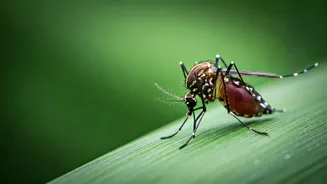
The primary culprit is stagnant water. The Aedes aegypti mosquito, the main vector for transmitting the dengue virus, doesn't need a large pond or a dirty drain to breed. [8, 9] In fact, it thrives in small, clean collections of water often found in urban homes. A bottle cap full of water is enough for a female mosquito to lay her eggs, which can hatch into larvae in just a few days. [15] This makes balconies, with their collection of pots, saucers, and forgotten items, a high-risk area for mosquito breeding, especially during and after the monsoon season. [8]
Understanding Dengue and Its Carrier
Dengue fever is a viral infection that can cause severe flu-like symptoms, and in some cases, develop into a life-threatening condition known as severe dengue. [3, 4] Symptoms typically appear 4 to 10 days after a bite from an infected mosquito and include high fever, severe headache, pain behind the eyes, joint and muscle pain, and a skin rash. [2, 6] While most people recover within a week or two, some may experience warning signs like severe abdominal pain, persistent vomiting, and bleeding gums, which require immediate medical attention. [3, 4] The Aedes mosquito is a day-biting insect, most active during the early morning and late afternoon. [14] It is highly adapted to human environments and prefers to breed in artificial containers holding water, making our homes the perfect nursery. [25] Understanding this link is the first step toward effective prevention.
Your Balcony Hotspot Checklist
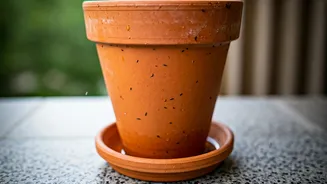
To effectively dengue-proof your balcony, you need to know where to look. Water can collect in the most unexpected places. Make it a weekly habit to conduct a thorough check of your balcony and other open areas. Pay close attention to these common mosquito breeding hotspots: * **Plant Pot Saucers:** These are the most common culprits. Water collects in the tray under your potted plants every time you water them. * **Clogged Drains:** Balcony drains can easily get blocked with leaves and debris, creating small, hidden pools of water. * **Discarded Items:** Old tyres, buckets, plastic containers, coconut shells, and even children's toys left outside can collect rainwater and become breeding grounds. [19] * **Air Cooler Units:** If you have an AC or cooler unit with an outdoor component, check its drainage trays for stagnant water. * **Watering Cans and Buckets:** Always store them upside down or in a covered area to prevent them from filling with rainwater. [19] * **Tarps and Plastic Sheets:** Folds and creases in waterproof sheets can hold pockets of water for days.
A 5-Minute Weekly Prevention Plan
Consistency is key to preventing mosquito breeding. Health authorities across India often promote the concept of a 'Dry Day'—one day a week dedicated to eliminating stagnant water. Adopting this simple routine can drastically reduce your risk. 1. **Tip and Turn:** Empty the water from all plant pot saucers. If possible, avoid using them altogether or fill them with sand. [14] Turn over all empty buckets, pots, and containers. 2. **Scrub and Clean:** Simply emptying water is not always enough. Mosquito eggs can stick to the sides of containers and survive for months even when dry. [9, 24] Once a week, scrub the inside of flower vases, water storage containers, and birdbaths. 3. **Check and Clear:** Ensure your balcony drains are clear of leaves and other blockages. Loosen the soil in potted plants to prevent water from accumulating on the surface. [14] 4. **Cover Up:** Ensure that all water tanks or large storage containers are tightly covered so that mosquitoes cannot get in to lay eggs. [7]
Beyond the Balcony
While your balcony is a critical area to monitor, the fight against dengue extends to your entire home and community. Apply the same principles indoors and around your property. Check for water collecting under refrigerators or in decorative vases. Ensure desert coolers are drained and dried at least once a week. [7] The Aedes mosquito has a very limited flight range, often spending its entire life within a few hundred metres of where it was born. [9, 25] This means that the mosquitoes biting you are most likely breeding in or very near your own home or your neighbours'. Encouraging your community to adopt these preventive measures creates a wider zone of safety for everyone. The effort of one household, when multiplied across a neighbourhood, becomes a powerful public health tool.