
In the quest for the perfect cup of tea, we often focus on the quality of the leaves or the purity of the water. But a simple, often-overlooked step can dramatically elevate your brew: pre-warming the teapot. It is the secret to a better cup.
The Science of a Stable Steep
Brewing tea
is all about chemistry, and temperature is the master variable. When you pour hot water into a room-temperature teapot, the ceramic or glass immediately starts to absorb heat. This can cause a significant drop in the water's temperature right at the beginning of the steeping process. One experiment showed that water heated to 95°C dropped to 75°C within 15 seconds of being poured into a cool pot and cup. That is a massive difference, turning the ideal temperature for a robust black tea into one more suited for a delicate green tea. Maintaining a consistent temperature is crucial because different flavour compounds in tea leaves extract at different rates and temperatures. Pre-warming the pot ensures that the water temperature remains stable, allowing for a more controlled and complete extraction of aromas and flavours.
Why a Cold Pot Harms Your Tea
When the brewing temperature drops unexpectedly, it leads to under-extraction. This results in a tea that can taste weak, flat, or underdeveloped. The rich, complex notes you expect from a high-quality black tea may not fully emerge, leaving you with a disappointing and bland cup. For more delicate teas like greens and whites, temperature control is even more critical. While they require cooler water than black teas, that temperature must still be stable. A fluctuating temperature can fail to coax out their subtle, sweet, and floral notes, preventing the leaves from fully expressing their character. Pre-heating prevents this 'thermal shock' and gives your tea leaves the consistent environment they need to unfurl and release their full aromatic potential.
The Simple 'How-To' of Pre-Warming
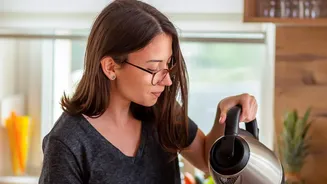
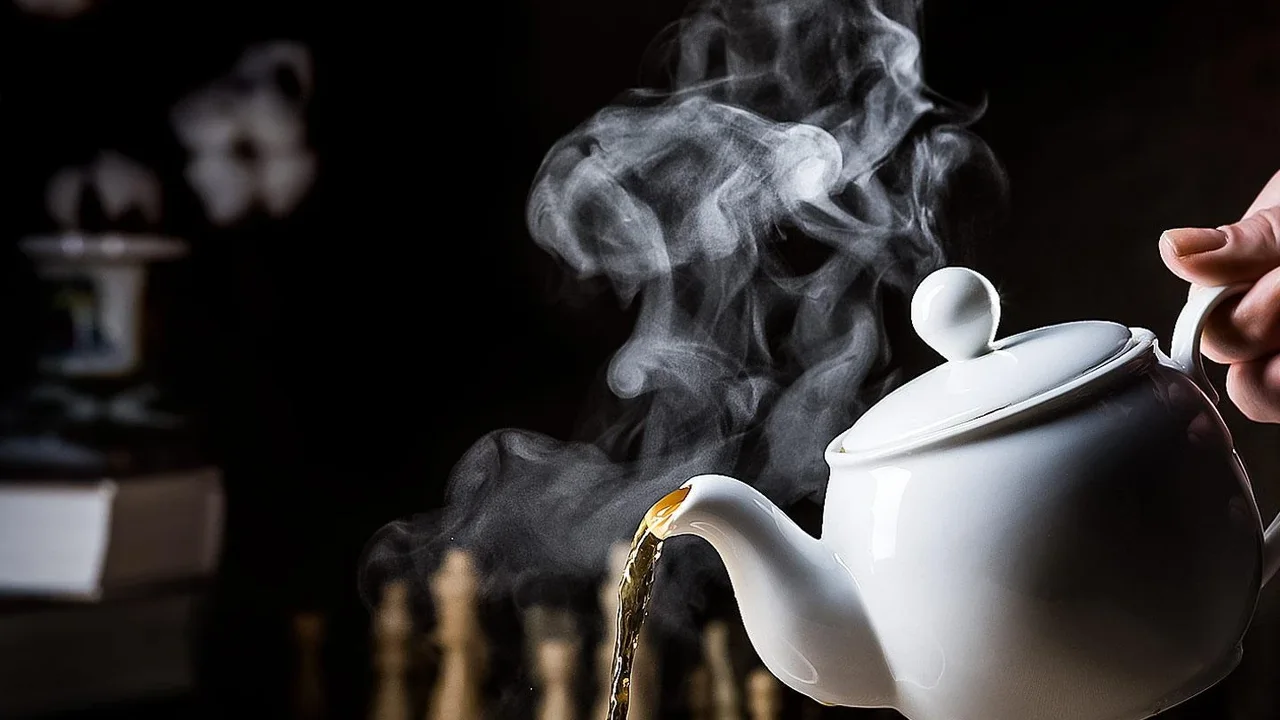
The good news is that this game-changing step could not be easier. Before adding your tea leaves, simply pour a small amount of hot water from your kettle into the empty teapot. Use water that is roughly the same temperature you plan to brew with. Gently swirl the water around for a few seconds to ensure the entire inner surface of the pot is warmed. Then, carefully discard the water. Your teapot is now primed and ready. This simple ritual not only stabilises the brewing temperature but can also help prevent cracking in older or more delicate ceramic or porcelain pots. It is a small moment of preparation that pays off handsomely in the final taste.
Does It Matter for All Teas?
Yes, but the impact varies. The practice is most critical for teas that require very hot water, such as black, oolong, and pu-erh teas. These robust teas need sustained high heat to properly extract their deep, complex flavours. Brewing them in a cold pot that drastically lowers the temperature will result in a noticeably weaker brew. For green and white teas, which are brewed at lower temperatures, pre-warming is still beneficial. It helps maintain the specific, cooler temperature you have chosen, preventing it from dropping even further and leading to a flavourless infusion. For example, if you aim for 80°C for a green tea, a cold pot might drop it to a less effective temperature, muting its vibrant, grassy notes. The rule is universal: a stable temperature always yields a better, more consistent cup.
The Noticeable Difference in Your Cup
While it might seem like a fussy, non-essential step, the difference pre-warming makes is tangible. Tea brewed in a warmed pot will have a fuller body, a more pronounced aroma, and a richer, more nuanced flavour. The heat helps to 'wake up' the dry leaves, encouraging a better release of their essential oils and aromatic compounds. You will notice that colours are deeper and the taste is more complete. It is the difference between a cup of tea that is merely hot and one that is truly alive with flavour. For anyone who appreciates the craft of a good brew, this small act of preparation is a non-negotiable part of the ritual, ensuring you are not shortchanging yourself on the final experience.