




A Few Monsoon Gardening Basics
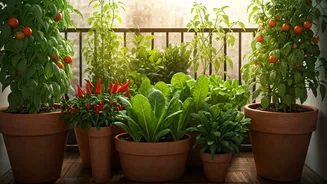
Before we dive into the list, remember a few key things. Monsoon gardening is mostly about managing water. Ensure your pots or garden beds have excellent drainage to prevent waterlogging, which can rot roots. Use a light, well-draining soil mix (cocopeat,
compost, and garden soil is a great combination). The high humidity can also encourage pests and fungal diseases, so keep an eye on your plants and ensure good air circulation around them. But don't worry—the vegetables listed below are famously resilient!
1. Okra (Bhindi)
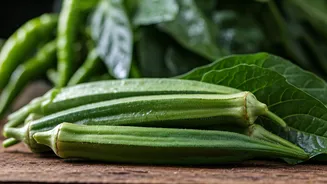
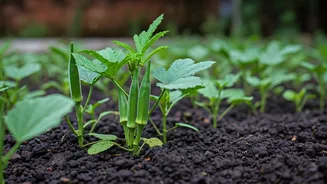
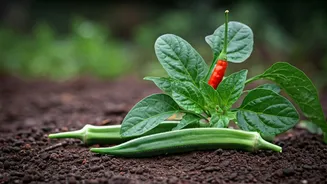
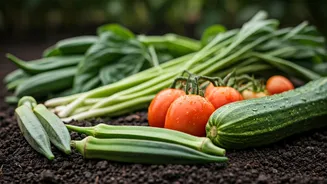
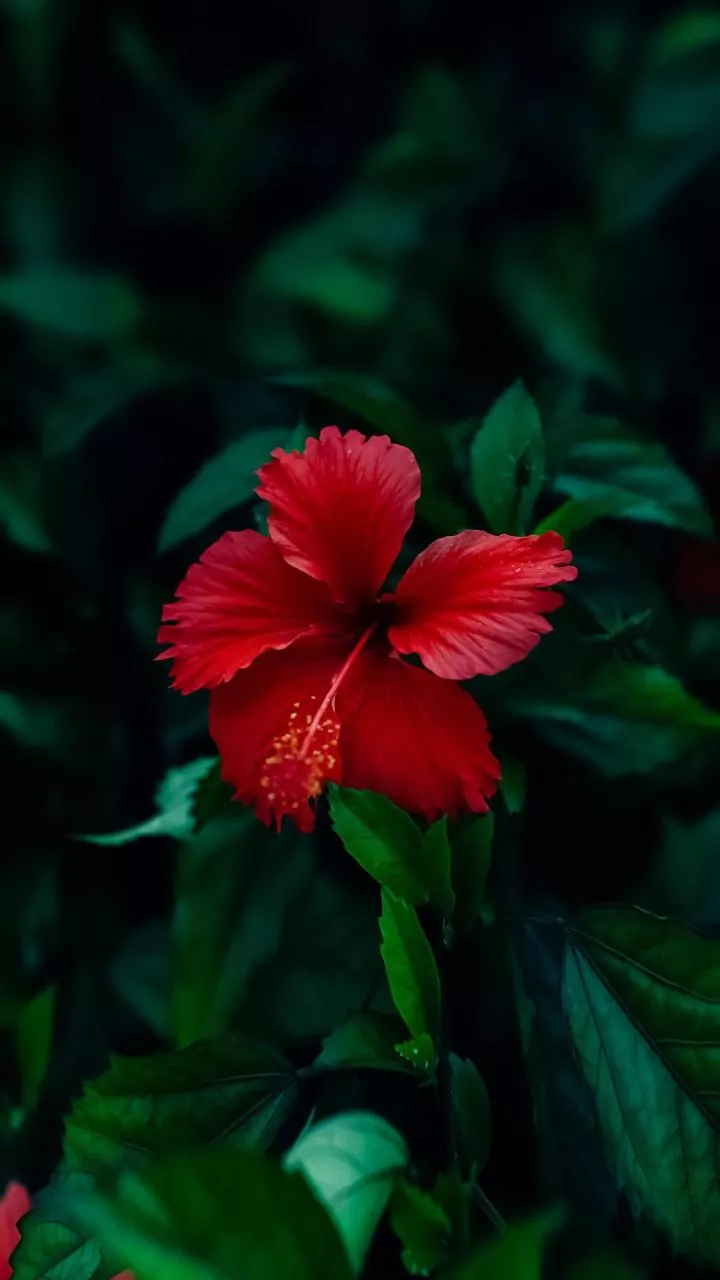
Arguably the king of the monsoon garden, Bhindi is incredibly easy to grow and produces a steady supply of vegetables. It loves the warm, humid conditions of the rainy season. Plant the seeds directly in a sunny spot, either in a large pot (at least 12 inches deep) or in a garden bed. You don't need to be a pro; just give it sunlight and water, and watch it grow. The beautiful, hibiscus-like flowers are a bonus. You can start harvesting tender pods within 45-60 days. Just be sure to pick them when they're young and tender for the best flavour.
2. Bottle Gourd (Lauki)
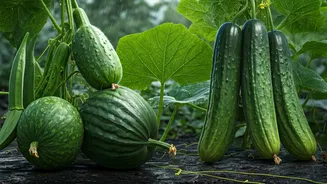
Lauki is a prolific vine that will happily take over a trellis or crawl along your balcony railing. Its love for water and humidity makes it a classic monsoon choice. To get started, soak the seeds overnight to speed up germination. Plant 3-4 seeds in a large container or grow bag. As the vine grows, provide it with a strong support structure to climb on. The broad leaves thrive in the rainy season, and soon you'll be harvesting your own fresh gourds for koftas, curries, or juice. It’s a rewarding plant that gives back in abundance.
3. Cluster Beans (Gawar)
A staple in many Indian households, Gawar is a hardy, drought-tolerant plant that also performs exceptionally well in the monsoon. It's a nitrogen-fixing legume, which means it actually improves the quality of your soil. This makes it a fantastic choice for beginner gardeners. The seeds can be sown directly into your pots or beds. They don't demand much attention and are relatively resistant to common pests. Within a couple of months, you'll be harvesting bunches of this nutritious vegetable right from your own garden.
4. Cucumber (Kheera)
Nothing tastes better than a crisp, homegrown cucumber on a humid day. Most Indian varieties of cucumber are climbers and thrive during the monsoon. They grow fast and produce a rewarding harvest. Sow seeds in a well-draining pot and give them a place to climb, like a simple trellis or netting. Consistent watering is key, which the monsoon conveniently helps with. Just ensure the soil isn't waterlogged. Start picking them when they are medium-sized for the best taste and to encourage the plant to produce more.
5. Amaranth (Chaulai Saag)
If you want quick results, look no further than leafy greens like Amaranth. Known locally as Chaulai or Rajgira Saag, this is one of the easiest and fastest-growing greens for a beginner. You can simply scatter the tiny seeds over a prepared pot or bed, and they will sprout within a week. It loves the monsoon climate. You can begin harvesting the leaves in just 3-4 weeks. Either snip the leaves as needed or harvest the whole plant. It's packed with nutrients and perfect for a quick, healthy stir-fry.